Chhattisgarh UCC committee formed: Justice Desai to draft state's civil code
Synopsis
Chhattisgarh has become the latest BJP-governed state to formally move toward a Uniform Civil Code, appointing a Supreme Court veteran to lead the drafting process. With Madhya Pradesh close behind and Uttarakhand already there, the state-by-state UCC push is accelerating — and Chhattisgarh's committee will now have to navigate one of India's most legally and socially charged reform exercises.
Key Takeaways
The Chhattisgarh Cabinet approved a five-member UCC committee on 26 June to draft a Uniform Civil Code for the state.
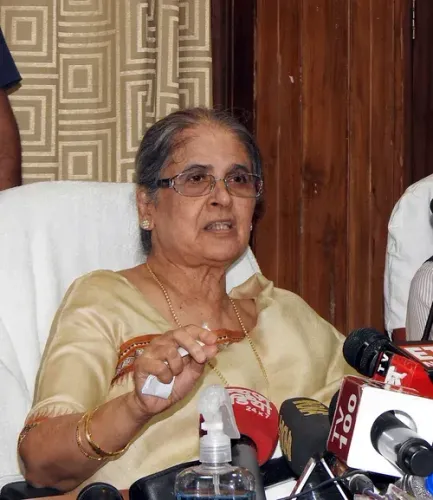
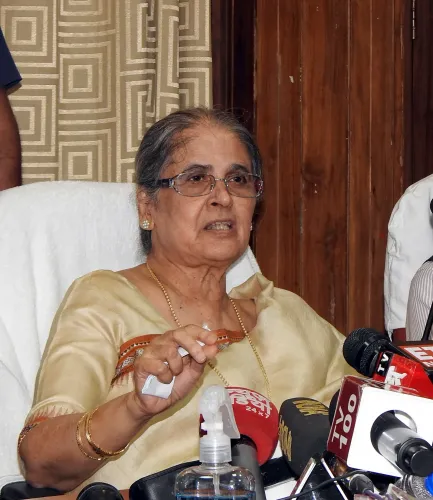
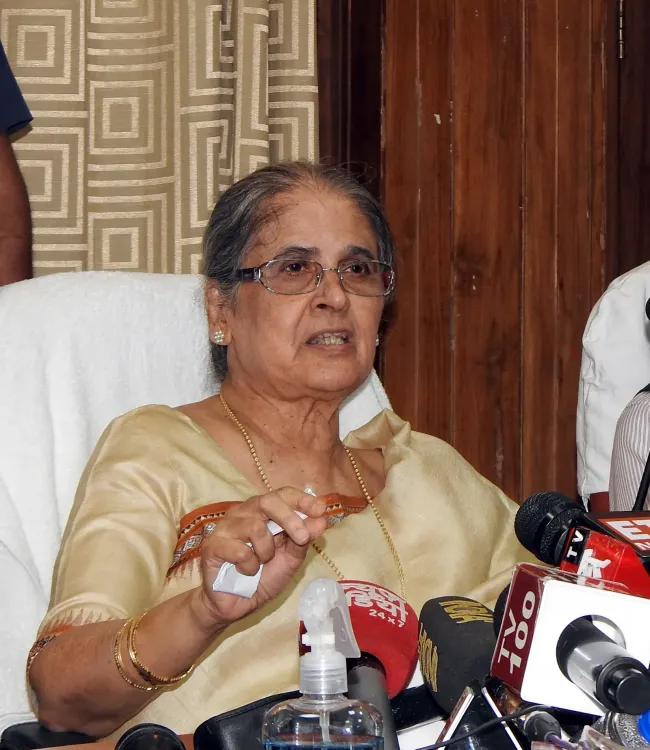
The panel is chaired by Justice (retired) Ranjana Prakash Desai , a former Supreme Court judge.
The committee will review personal laws on marriage, divorce, inheritance, adoption, and guardianship across communities.
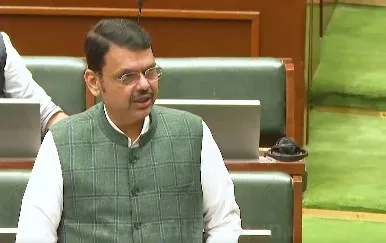
Neighbouring Madhya Pradesh is expected to introduce a UCC Bill in the upcoming Monsoon Session of its Assembly.
The move fulfils a major BJP electoral promise in Chhattisgarh; Uttarakhand is currently the only state with an enacted UCC.
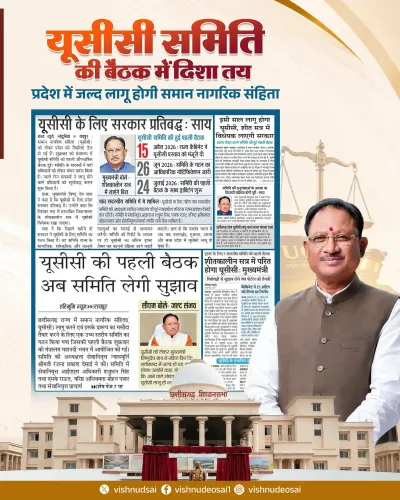
The Chhattisgarh government has formally launched the process of implementing a Uniform Civil Code (UCC), with the state Cabinet approving the constitution of a five-member high-level committee on 26 June to prepare a draft law. The panel will be chaired by Justice (retired) Ranjana Prakash Desai, a former Supreme Court judge, marking the fulfilment of a key electoral promise by the Bharatiya Janata Party (BJP) government in the state.
Who Is on the Committee
The committee is chaired by Justice Ranjana Prakash Desai, widely recognised for her leadership of significant constitutional and legal panels during her tenure at the Supreme Court. Alongside her, the five-member body comprises retired bureaucrats, seasoned legal experts, and senior advocates. Their collective mandate is to examine the existing legal framework, assess the feasibility of a UCC specific to Chhattisgarh, and submit comprehensive recommendations to the government.
What the Panel Will Study
Over the coming months, the committee is expected to conduct a detailed review of personal laws governing marriage, divorce, maintenance, inheritance, succession, adoption, and guardianship across different communities in the state. It will also study landmark judgments of the Supreme Court and various High Courts, consult legal scholars, engage with social organisations, and hold discussions with representatives of diverse religious communities to ensure a broad range of perspectives informs its recommendations.
Where Chhattisgarh Stands Among States
With this decision, Chhattisgarh joins a select group of states actively pursuing state-level UCC frameworks. Neighbouring Madhya Pradesh has already initiated a similar process, with a Bill reportedly expected during the forthcoming Monsoon Session of its state Assembly. Uttarakhand remains the only state to have enacted a UCC so far, having passed its legislation earlier. This is part of a broader BJP-led push to advance the UCC agenda at the state level ahead of any central legislation.
Legal and Political Significance
The government's move is being viewed as both a legal milestone and a political signal. Proponents argue that a UCC would harmonise personal laws with constitutional principles of equality and justice, removing disparities that currently exist across communities in matters of family law. Critics, however, caution that the process must navigate deep cultural and religious sensitivities, and that meaningful community consultation will be essential to any durable framework.
What Happens Next
The committee's formation marks only the beginning of what is expected to be a complex and time-consuming process. Once the panel submits its draft recommendations, the legislation will likely trigger wide-ranging public and legislative debate before any bill is tabled. The timeline for a final draft has not yet been disclosed by the Chhattisgarh government.
Point of View
And Chhattisgarh's demographic and tribal diversity makes the drafting exercise considerably more complex. The inclusion of retired bureaucrats alongside legal experts suggests the government is alive to implementation risk. Whether the committee's consultation process is substantive or ceremonial will determine whether this becomes a durable reform or another headline promise.
NationPress
25 Sept 2026
Frequently Asked Questions
What is the Chhattisgarh UCC committee and who chairs it?
The Chhattisgarh government has constituted a five-member high-level committee to prepare a draft Uniform Civil Code for the state. It is chaired by Justice (retired) Ranjana Prakash Desai, a former Supreme Court judge, and includes retired bureaucrats, legal experts, and senior advocates.
What will the UCC committee examine?
The committee will study personal laws governing marriage, divorce, maintenance, inheritance, succession, adoption, and guardianship across different communities in Chhattisgarh. It will also review Supreme Court and High Court judgments and consult legal scholars, social organisations, and religious community representatives.
Which other states are working on a Uniform Civil Code?
Uttarakhand is currently the only state to have enacted a UCC. Madhya Pradesh has initiated the process and is reportedly expected to introduce a Bill during the Monsoon Session of its Assembly. Chhattisgarh has now formally joined this group by constituting its drafting committee.
Why is the UCC significant for Chhattisgarh?
Implementing a UCC would replace community-specific personal laws with a uniform legal framework for all citizens in matters of family law. Supporters argue it aligns personal laws with constitutional equality principles, while critics stress the need for careful handling of cultural and religious diversity.
When will Chhattisgarh's UCC draft be ready?
No official timeline has been announced. The committee is expected to spend several months studying existing laws, consulting stakeholders, and preparing recommendations before a draft bill is submitted to the government for further deliberation.