How is Chhattisgarh Moving Towards a Maoist-Free Bastar?
Synopsis
Chhattisgarh's Chief Minister, Vishnu Deo Sai, celebrates significant strides towards a Maoist-free Bastar as security operations lead to key surrenders. With ongoing rehabilitation efforts, the state aims to foster trust and development, encouraging former insurgents back into society. Will these initiatives pave the way for lasting peace in this insurgency-affected region?
Key Takeaways
Chhattisgarh's commitment to a Maoist-free Bastar is evident through recent surrenders.
Coordinated security operations have significantly weakened Maoist influence.
Ongoing rehabilitation programs aim to reintegrate former insurgents into society.
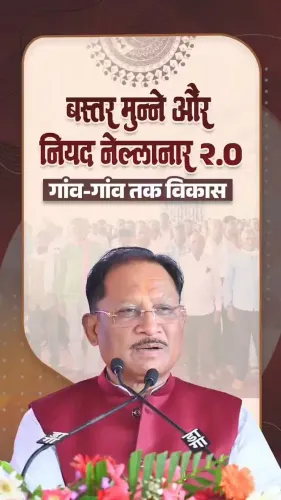
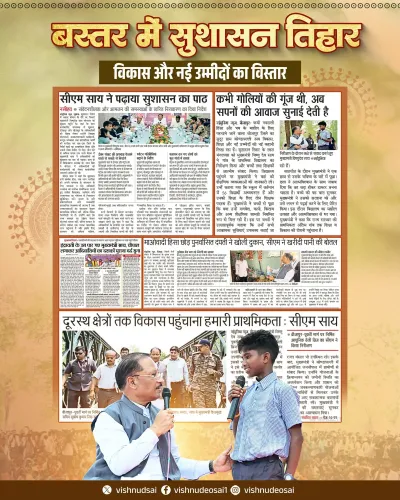
The state is focused on building trust and development in remote areas.
Peace initiatives reflect a comprehensive strategy against Naxalism.
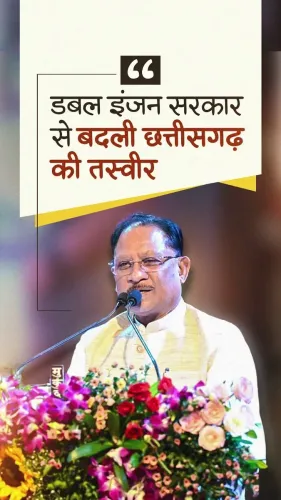
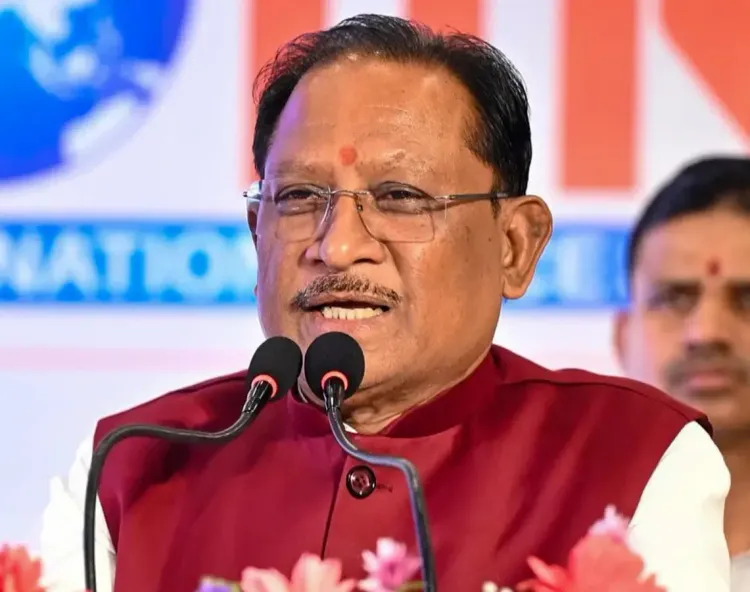
Raipur, Jan 30 (NationPress) The Chief Minister of Chhattisgarh, Vishnu Deo Sai, praised the recent developments as evidence of the state's steadfast dedication.
In a message on X, he remarked, "Our ambition is a Naxal-free Bastar and a secure Chhattisgarh."
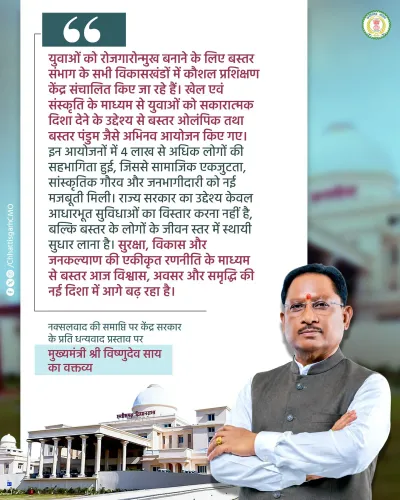
He underscored that this occurrence signifies a growing atmosphere of trust, safety, and progress in Bastar.
The Chief Minister attributed the achievements to synchronized security operations, the formation of strong security camps, improved road connectivity, and ongoing efforts that have consistently diminished Maoist power and their local backing.
"Citizens are now stepping forward to join the mainstream of progress," Sai noted, expressing assurance that the government's holistic approach of security, development, and dialogue will inspire additional cadres to surrender in the near future.
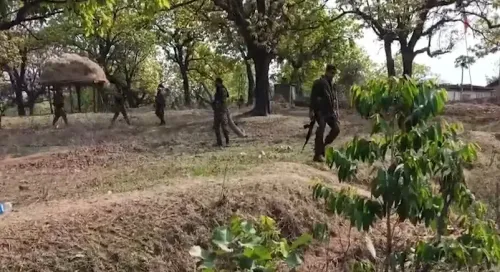
In a noteworthy advancement towards eliminating Naxalism from the Bastar region, four active Maoist members from the Kistaram area of Sukma district surrendered to law enforcement on Friday.
Each of these individuals had a bounty of Rs 8 lakh, indicating their significance in the banned CPI (Maoist) faction. This surrender is part of a broader trend of Maoist defections in Bastar during early 2026, with hundreds of cadres renouncing violence through the state's rehabilitation programs.
Officials view these instances as signs that Naxal strength is diminishing, aiming for a Maoist-free Chhattisgarh by March 31, 2026, in line with national objectives.
Supporting these security advancements, the Dantewada district administration has initiated a proactive rehabilitation scheme to aid the smooth reintegration of surrendered Naxalites.
Additionally, the district administration, collaborating with the Rural Self-Employment Training Institute of the State Bank of India, has launched a training program for 35 surrendered youths in masonry.
This initiative, overseen by Collector Devesh Kumar Dhruv, aims to impart employment-oriented skills to these individuals, enabling them to contribute positively to society.
The training responds to the increasing demand for skilled construction workers in the region, particularly under flagship programs such as the Pradhan Mantri Awas Yojana (housing for all) and the Mahatma Gandhi National Rural Employment Guarantee Act (MNREGA).
By equipping former insurgents with vocational skills, the initiative seeks to ensure sustainable livelihoods and prevent a return to extremism. These collective efforts exemplify Chhattisgarh's comprehensive strategy: vigorous anti-Naxal operations supplemented by compassionate rehabilitation.
Officials believe that as development extends to remote areas and trust grows among local communities, the cycle of violence will continue to decline, paving the way for enduring peace in one of India's most insurgency-affected regions.
Point of View
It's essential to recognize Chhattisgarh's multi-faceted approach to tackling Naxalism. The state's combination of strong anti-Naxal operations and compassionate rehabilitation strategies reflects a balanced effort to restore peace and development. This commitment may serve as a model for other regions facing similar challenges.
NationPress
23 Sept 2026
Frequently Asked Questions
What recent developments indicate progress in Chhattisgarh's efforts against Naxalism?
The surrender of four Maoist cadres from Sukma district showcases the declining influence of Naxalism in the region, alongside the state's rehabilitation initiatives.
How does the Chhattisgarh government plan to reintegrate surrendered Naxalites?
Through training programs in collaboration with local institutions, the state aims to provide vocational skills to surrendered individuals, helping them contribute to society.
What is the ultimate goal of Chhattisgarh's initiatives against Naxalism?
The state aims for a 'Maoist-free Chhattisgarh' by March 31, 2026, aligning with national targets for peace and development.