Why Are Chikungunya Cases Rising in Southern TN?
Synopsis
Chikungunya cases in Tamil Nadu are surging, leading the Directorate of Public Health to issue a statewide alert. This call to action emphasizes the importance of early detection and mosquito control as health officials warn of conducive seasonal conditions. Discover how authorities are responding to this public health concern.
Key Takeaways
Chikungunya cases are on the rise in Tamil Nadu.
Statewide alert issued by DPH to enhance monitoring.
Symptoms include high fever and joint pain.
Community cooperation is vital for containment.
Regular cleaning and mosquito control measures recommended.
Chennai, Jan 22 (NationPress) In light of a significant uptick in chikungunya cases across various regions of Tamil Nadu, the Directorate of Public Health and Preventive Medicine (DPH) has issued a statewide alert. This directive mandates district administrations and urban health authorities to enhance monitoring, diagnosis, and mosquito-control initiatives to prevent further spread.
Health officials emphasize that increased vigilance is critical as the current seasonal conditions are conducive to vector breeding.
According to an advisory distributed to all District Health Officers and City Health Officers, an increase in cases has been noted in Chennai, Villupuram, Tenkasi, Theni, Cuddalore, Chengalpattu, Kancheepuram, and Ariyalur districts. Patients typically exhibit symptoms such as high fever, intense joint pain, muscle aches, and extreme fatigue or drowsiness, prompting the department to highlight the necessity for early identification and immediate clinical management.
To bolster surveillance and containment efforts, field officials have been instructed to gather adequate blood samples in areas prone to fever and ensure laboratory confirmation via IgM ELISA tests.
Health authorities have stressed that timely reporting by all government and private hospitals, along with diagnostic laboratories, is essential for early interruption of transmission. Any delays in reporting could facilitate rapid viral spread within communities.
The department has also mandated that all designated wards for dengue and chikungunya in hospitals remain mosquito-free, with sufficient bed capacity and mosquito nets for patients.
Sentinel surveillance hospitals and medical colleges are required to maintain stocks of government-approved diagnostic kits.
Additionally, training sessions based on updated national clinical management guidelines for fever, dengue, and chikungunya will be organized for doctors, nurses, and frontline healthcare workers. Rapid Response Teams have been placed on standby, equipped with logistical and mobility support to respond to any abrupt increase in cases.
District Collectors have been instructed to hold inter-departmental meetings to ensure coordinated actions, including joint information, education, and communication (IEC) campaigns, as well as intensified vector-control initiatives.
At the grassroots level, district entomologists and health inspectors have been directed to enhance source-reduction activities by eliminating stagnant water in artificial containers and conducting weekly mass-cleaning operations in high-risk areas.
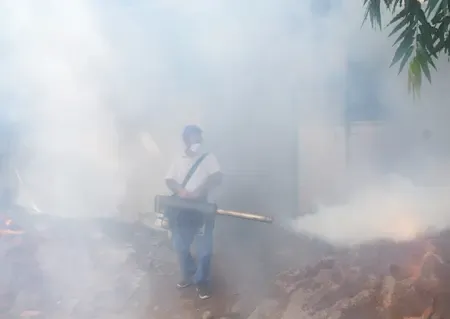
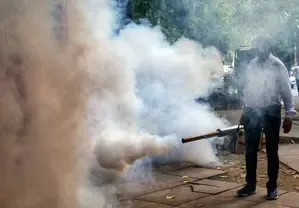
Mandatory measures include daily larval surveillance, periodic indoor fogging, and the application of larvicides in large water-storage containers.
Highlighting the importance of public cooperation, health officials urged residents to regularly clean water-storage vessels, utilize bed nets, wear protective clothing, and manage solid waste properly. The department indicated that compliance will be assessed daily, with action reports submitted regularly to headquarters.
Point of View
I recognize the urgency of addressing the rising chikungunya cases in Tamil Nadu. The DPH's proactive measures reflect a commitment to public health. It's imperative that the community collaborates with health officials to mitigate the spread of this disease. We stand firm in our dedication to informing the public and promoting health awareness.
NationPress
7 Oct 2026
Frequently Asked Questions
What is chikungunya?
Chikungunya is a viral disease transmitted by infected mosquitoes, characterized by fever and severe joint pain.
What are the symptoms of chikungunya?
Common symptoms include high fever, severe joint pain, muscle aches, and extreme fatigue.
How is chikungunya transmitted?
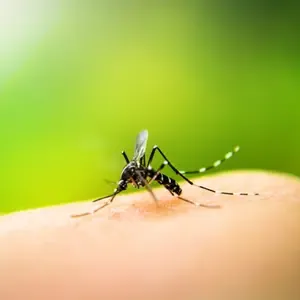
Chikungunya is primarily spread through the bites of infected Aedes mosquitoes.
What measures can be taken to prevent chikungunya?
Preventive measures include eliminating stagnant water, using mosquito nets, and wearing protective clothing.
How can I report chikungunya cases?
Timely reporting can be done through local health authorities or hospitals, which is essential for managing the outbreak.