Is China Becoming a Key Transit Hub for Foreign Cars Sold in Sanctioned Russia?
Synopsis
As the sanctions against Russia tighten, foreign vehicles are still entering the market via China. This article explores the gray-market operations transporting cars from sanctioned countries into Russia, highlighting the complexities of international trade and enforcement issues. Discover how car manufacturers navigate these challenges while Russian consumers continue to access luxury brands.
Key Takeaways
Foreign cars are entering Russia via China.
A gray-market system is facilitating the trade of banned vehicles.
Nearly 130,000 vehicles from sanctioning countries were sold in 2025.
Toyota remains a leading brand, with 30,000 units sold last year.
Luxury vehicles continue to attract wealthy consumers in Russia.
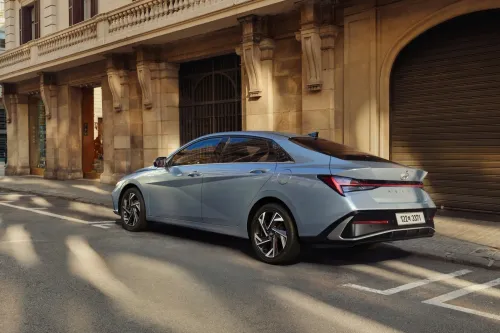
New Delhi, Feb 13 (NationPress) Amid the ban on vehicles produced in Europe, the US, Japan, and South Korea from entering the Russian market due to sanctions following the Ukraine conflict, these cars are still finding their way into Russia via China.
Recent registration data analyzed by Reuters indicates that foreign-branded vehicles are entering Russia in substantial quantities, primarily through Chinese channels.
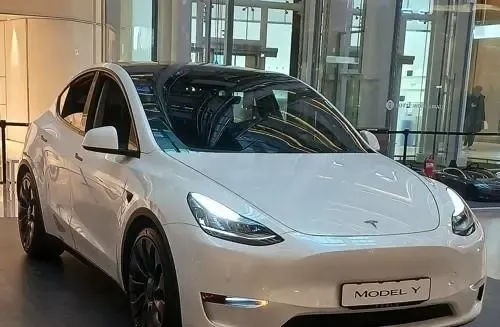
According to an article published in Modern Diplomacy, many of these automobiles are produced in China through partnerships with international brands. Nonetheless, cars manufactured in Europe are also being transshipped via China to reach Russian consumers.
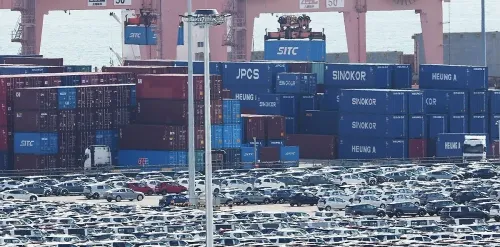
A burgeoning gray-market has emerged, allowing Russian dealers to procure Western, Japanese, and South Korean vehicles through Chinese middlemen.
The process involves classifying these new cars as “zero-mileage used” vehicles. Initially, these new cars are recorded as sold in the local market and subsequently exported as used vehicles to Russia, the article elaborates.
As reported by Russia's Autostat, approximately 130,000 vehicles from sanctioning countries were sold in Russia in 2025 alone.
Since early 2022, over 700,000 such vehicles have been registered in the nation.
Nearly half of the latest sales pertain to vehicles manufactured in China.
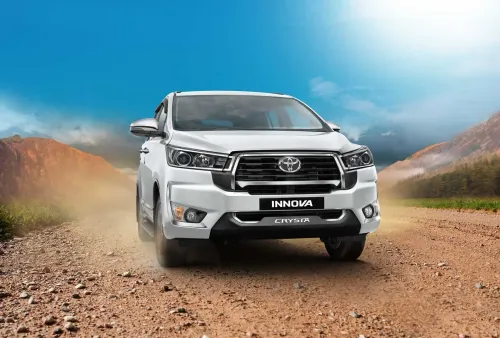
Toyota continues to be one of the most favored foreign brands in Russia, with nearly 30,000 units sold last year, the bulk of which were produced in China.
German brands like BMW, Mercedes-Benz, and Volkswagen Group also maintain a notable market presence.
Last year, tens of thousands of these vehicles were registered, with many being manufactured or routed through China, as stated in the article.
Luxury models, especially high-end SUVs like the Mercedes G-Class, remain popular among the wealthy consumers in Russia.
Auto manufacturers claim they prohibit direct sales to Russia and have instituted contractual safeguards to thwart unauthorized exports. However, they acknowledge that monitoring indirect trade through third parties is complex and challenging, the article points out.
Authorities in Europe, Japan, and South Korea are investigating possible violations of sanctions.
Experts highlight that the complexities of global supply chains and intermediary networks render complete enforcement nearly impossible, as noted in the article.
Point of View
It is crucial to acknowledge the complexities of international relations and trade. The situation involving the gray-market influx of cars into Russia highlights the challenges of enforcing sanctions in a globalized economy. The need for vigilance and effective enforcement measures is paramount, while also considering the economic realities faced by consumers in the affected regions.
NationPress
24 Sept 2026
Frequently Asked Questions
How are foreign cars entering Russia despite sanctions?
Foreign cars are entering Russia primarily through China , where they are categorized as 'zero-mileage used' vehicles before being exported.
What types of vehicles are being sold in Russia?
Vehicles from Western, Japanese, and South Korean manufacturers are being sold, with many being produced or routed through China .
How many foreign vehicles have been registered in Russia?
Since early 2022, over 700,000 foreign vehicles from sanctioning countries have been registered in Russia.
Which car brands are popular in Russia?
Toyota is one of the most purchased foreign brands, followed by German brands like BMW, Mercedes-Benz, and Volkswagen Group.
What challenges do manufacturers face with sanctions?
Manufacturers face challenges in monitoring indirect sales through third parties, making enforcement of sanctions complex.