Chirag Paswan Marks 12 Years of Vikas Bhi Virasat Bhi
Synopsis
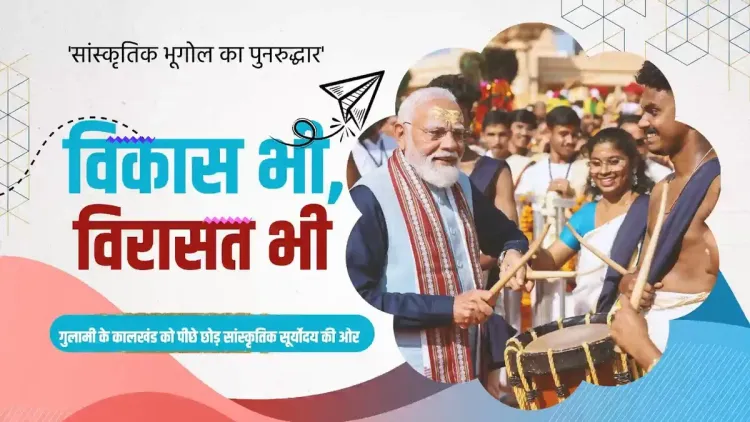
Union Minister Chirag Paswan marked 12 years of NDA governance on 18 June 2026, declaring India 'an immortal civilisation' and crediting the Modi government with balancing rapid development and cultural heritage — echoing the BJP-led coalition's defining 'Vikas Bhi Virasat Bhi' narrative.
Key Takeaways
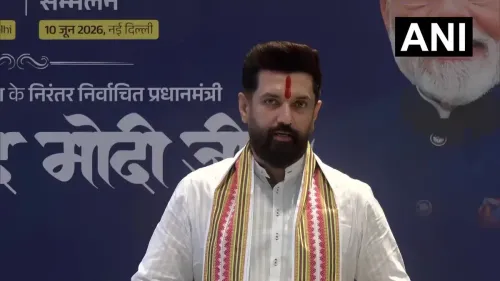
Union Food Processing Minister Chirag Paswan posted on 18 June 2026 to mark 12 years of the NDA government under PM Narendra Modi .
He described India as 'not merely a country but an immortal civilisation' and credited the period with giving new momentum to both development and heritage.
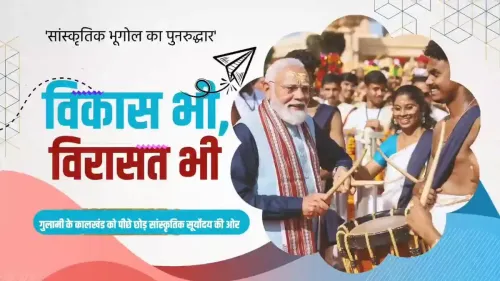
The post used the hashtag #12YearsOfVikasBhiVirasatBhi , directly echoing the BJP-led coalition's long-standing dual-emphasis slogan.
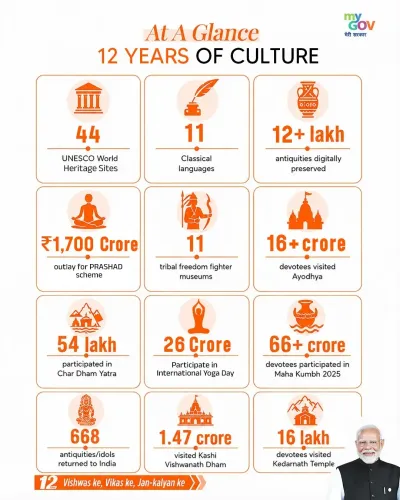
Key government initiatives underpinning this narrative include the Swachh Bharat Mission (2014) , the PRASAD pilgrimage scheme (2015) and the Statue of Unity (2018) .
Paswan's Lok Janshakti Party (Ram Vilas) has been an NDA ally since 2021 and consistently backs the coalition's economic and cultural agenda.
Upcoming Union Budget allocations for Culture and Tourism ministries will be the next test of the government's financial commitment to this narrative.
Union Food Processing Minister Chirag Paswan on Thursday, 18 June 2026 invoked India's civilisational identity to mark 12 years of the NDA government under Prime Minister Narendra Modi, calling the nation 'not merely a country but an immortal civilisation' and crediting the period with giving 'new momentum to development and new respect to heritage.'
Context
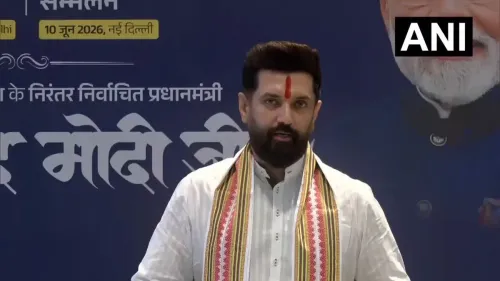
Posting under the hashtag #12YearsOfVikasBhiVirasatBhi, Paswan wrote in Hindi: 'Bharat sirf ek desh nahin balki ek amar sabhyata hai' ['India is not merely a country but an immortal civilisation']. He argued that the balance struck between modernity and culture over the past 12 years has 'set a new example of nation-building.' The post was accompanied by a video and came as NDA allies marked the coalition's June 2014 anniversary across social media platforms.
Paswan leads the Lok Janshakti Party (Ram Vilas), a consistent NDA partner since 2021 when the party reorganised under his leadership. His ministry oversees food processing industries, but his messaging here tracks the wider coalition's political narrative rather than any sector-specific announcement.
Policy Backdrop
The phrase 'Vikas Bhi Virasat Bhi' — development alongside heritage — has been a defining slogan of the BJP-led government since 2014, appearing in budget documents, campaign speeches and ministerial communications across multiple terms. The framing argues that economic acceleration and civilisational pride are not competing priorities but mutually reinforcing ones.
Several flagship initiatives have embodied this approach. The Swachh Bharat Mission, launched in 2014, linked sanitation infrastructure directly to the upkeep of historic and pilgrimage sites. The PRASAD scheme, introduced in 2015, funded modern amenities at pilgrimage destinations while mandating preservation of their cultural character. The Statue of Unity, completed in 2018, applied large-scale contemporary engineering to a monument celebrating national heritage — becoming a symbol of the government's dual emphasis.
Stakeholders and Impact
The 'Vikas Bhi Virasat Bhi' narrative directly addresses India's tourism industry, heritage conservation bodies and the broader public, all of whom have a stake in how the government allocates resources between infrastructure and culture. Pilgrimage circuits developed under PRASAD and allied schemes have drawn increased footfall, creating local economic activity around heritage sites.
For NDA's allied parties such as LJP (Ram Vilas), amplifying this narrative serves both an electoral and an ideological function — reinforcing the coalition's claim that growth and cultural assertion are twin achievements of the same 12-year arc. Paswan's post is consistent with a coordinated messaging effort across ministries and allied parties on the anniversary.
What's Next
Attention will now turn to the forthcoming Union Budget allocations for the Ministries of Culture and Tourism, where the government's financial commitment to heritage-linked infrastructure will be tested against its rhetoric. Parliamentary discussions during the monsoon session on schemes such as PRASAD and heritage corridor projects are expected to provide the next concrete policy moment tied to this narrative.
As India continues to project itself globally as an ancient yet modern civilisation — a theme prominent in its G20 presidency messaging and international cultural diplomacy — the 'Vikas Bhi Virasat Bhi' framing is likely to remain central to NDA's political identity heading into the next electoral cycle.
Point of View
The NDA signals continuity of purpose rather than a pivot, which matters as the coalition calibrates messaging ahead of the next electoral cycle. The real policy test, however, will come in budget allocations and legislative action, not social media posts.
NationPress
17 Sept 2026
Frequently Asked Questions
What is 'Vikas Bhi Virasat Bhi' and why is Chirag Paswan talking about it?
'Vikas Bhi Virasat Bhi' means 'development as well as heritage' and is the BJP-led NDA government's core slogan arguing that economic growth and cultural preservation go hand in hand. Chirag Paswan used the phrase to mark 12 years of NDA rule under PM Modi on 18 June 2026.
What has the Modi government done to promote heritage alongside development?
Key initiatives include the Swachh Bharat Mission (2014), which linked sanitation with upkeep of historic sites; the PRASAD scheme (2015) for pilgrimage infrastructure; and the Statue of Unity (2018), which used modern engineering to honour national heritage.
Who is Chirag Paswan and what party does he lead?
Chirag Paswan is the Union Minister of Food Processing Industries and the national president of the Lok Janshakti Party (Ram Vilas), an NDA ally that has supported the central government since 2021.
What does Chirag Paswan mean by calling India 'an immortal civilisation'?
He is echoing a long-standing NDA political argument that India's identity is rooted in a continuous ancient civilisation, and that the government's policies — from infrastructure to cultural promotion — reflect and strengthen that civilisational continuity.
What policy decisions will show whether the government is serious about heritage promotion?
The next Union Budget allocations for the Ministries of Culture and Tourism, and parliamentary debates during the monsoon session on schemes like PRASAD and heritage corridor projects, will be the clearest indicators of the government's financial commitment to this agenda.