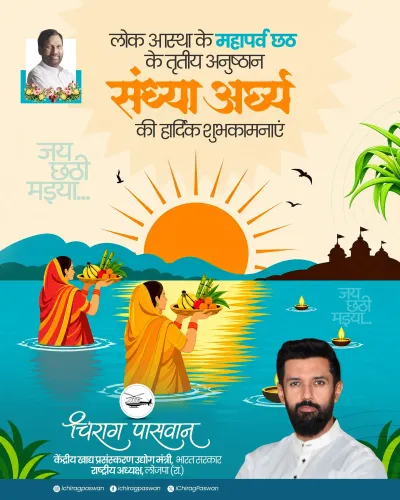
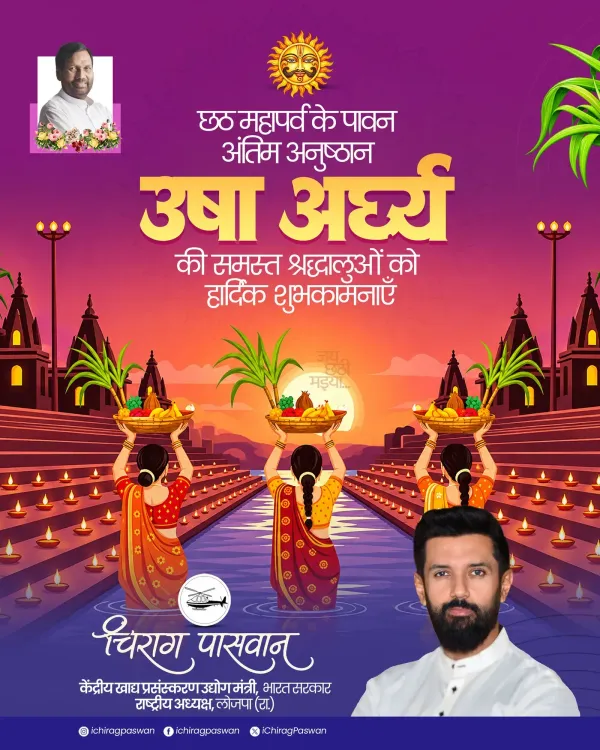
Chirag Paswan extends Chhath Usha Arghya wishes
Synopsis
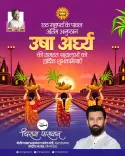
Union Minister Chirag Paswan marked the fourth and final day of Chhath Mahaparvv — Usha Arghya — with heartfelt Hindi greetings, wishing devotees happiness, peace and positive energy on a festival that defines Bihar's cultural identity.
Key Takeaways
Union Food Processing Minister Chirag Paswan posted Chhath Usha Arghya greetings on 16 November 2026 .
Usha Arghya is the fourth and concluding day of Chhath Puja, involving pre-dawn prayers to the rising sun.
Paswan described the festival as one of lok aastha, shraddha aur samarpan — people's faith, devotion and dedication.
He wished all devotees happiness, peace and positive energy in their lives.
As national president of LJP (Ram Vilas) , Paswan has a deep political and cultural bond with Bihar , where Chhath is a defining community observance.
On the auspicious fourth and final day of Chhath Mahaparvdedicated to the morning offering of Usha Arghya — Union Food Processing Minister Chirag Paswan extended warm greetings to devotees observing one of India's most deeply rooted festivals of faith.
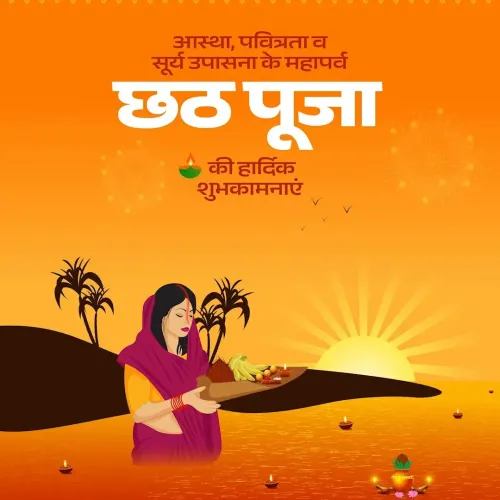
Posting on Monday, 16 November 2026, Paswan wrote in Hindi: 'Chhath Mahaparvv ke chaturth evam paavan divas Usha Arghya ki aap sabhi ko haardik badhaai evam mangalamay shubhkaamnaayein.' — 'Heartfelt congratulations and auspicious wishes to all on the fourth and sacred day of Chhath Mahaparvv, the Usha Arghya.' He added that this festival of lok aastha, shraddha aur samarpan — 'people's faith, devotion and dedication' — may bring happiness, peace, and positive energy into everyone's life.
What Usha Arghya means and why it matters
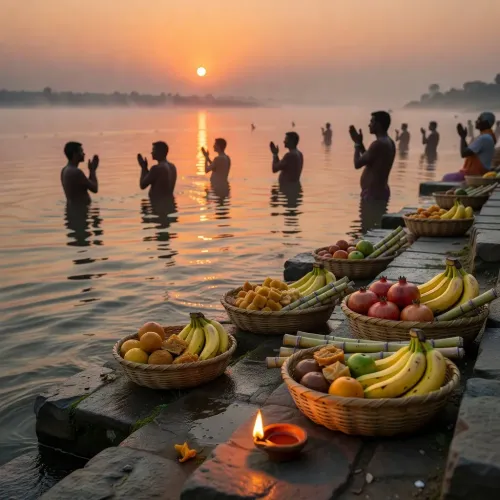
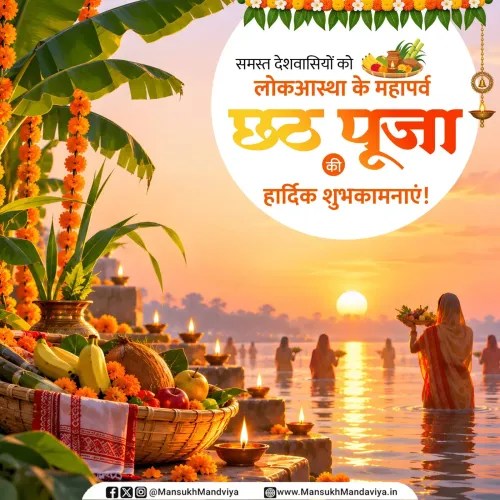
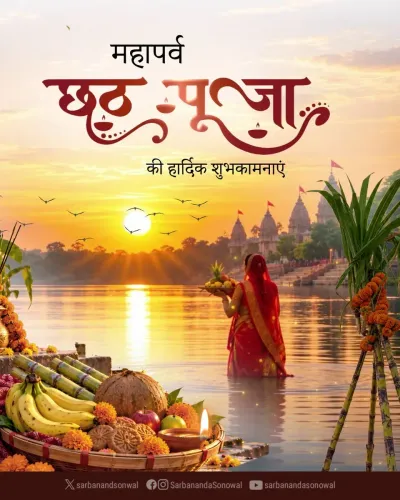
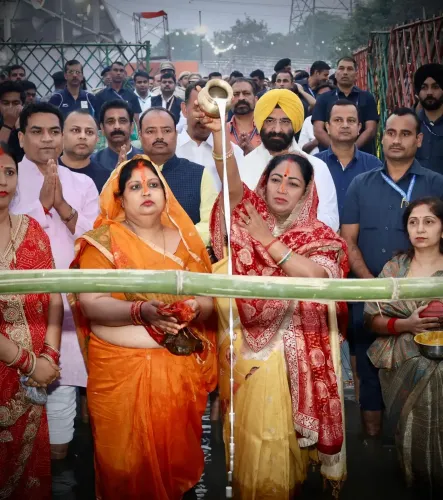
Chhath Puja is a four-day Hindu festival dedicated to the Sun God, observed with particular fervour in Bihar and eastern Uttar Pradesh. The final day, Usha Arghya, is the most sacred: devotees wade into rivers or water bodies before sunrise and offer prayers to the rising sun, standing in water for hours in an act of complete surrender. No idol, no priest — just sky, water, and an unmediated expression of gratitude.
As the national president of the Lok Janshakti Party (Ram Vilas), Paswan carries a deep cultural and political connection to Bihar, where Chhath is not merely religious observance but a collective identity. The festival cuts across caste and class lines in a way few others do.
A message rooted in Bihar's political heartland
Indian ministers routinely issue greetings on major regional festivals — but for Paswan, Chhath carries particular weight. The LJP (Ram Vilas) draws its core support from Bihar, and the festival is a touchstone of Bihari pride both at home and among the large diaspora communities across Indian cities. A public message on Usha Arghya day is as much a cultural affirmation as it is a political one.
The devotion on display at every riverbank this morning — the pre-dawn cold, the folded hands, the bamboo baskets of offerings — is precisely what Paswan's message gestures toward: an unbroken thread of folk faith that no calendar of modernity has frayed.
Point of View
Chhath Puja is not incidental on the political calendar — it is central. Paswan's public message on the festival's most sacred morning reinforces his identity as a custodian of Bihari cultural pride, a positioning his party has consistently leaned on. Indian ministers across parties make festival greetings routine, but those with genuine grassroots stakes in a festival's geography use such moments to signal belonging, not merely courtesy. With Bihar's electoral arithmetic always in play at the national level, Paswan's voice on Chhath carries meaning well beyond the devotional.
NationPress
16 Nov 2026
Frequently Asked Questions
What is Usha Arghya in Chhath Puja?
Usha Arghya is the final ritual of the four-day Chhath Puja festival, performed at dawn on the fourth day, when devotees stand in water and offer prayers to the rising sun. It is considered the most sacred moment of the entire festival.
Why did Chirag Paswan post Chhath greetings?
As Union Minister and national president of LJP (Ram Vilas), Chirag Paswan extended public greetings on Chhath Usha Arghya day, wishing devotees happiness, peace and positive energy — a festival closely tied to Bihar, the heartland of his party's support base.
Which states celebrate Chhath Puja most prominently?
Chhath Puja is observed most prominently in Bihar and eastern Uttar Pradesh, though it is also widely celebrated among Bihari diaspora communities across India and abroad.
What does Chhath Puja celebrate?
Chhath Puja is a four-day Hindu festival dedicated to the Sun God, observed through fasting, ritual bathing, and offerings made at water bodies at sunrise and sunset, emphasising folk faith and communal devotion without priestly mediation.
Who is Chirag Paswan?
Chirag Paswan is the Union Minister of Food Processing Industries in the Government of India and the national president of the Lok Janshakti Party (Ram Vilas), a party with strong roots in Bihar.