Chirag Paswan Reflects on Chhath Puja's Devotion and Culture
Synopsis
Union Food Processing Minister Chirag Paswan shared a heartfelt post on X during Chhath Puja 2026, describing the experience of making prasad as a moment of pure faith — calling the festival a living expression of Indian culture and familial connection.
Key Takeaways
Chirag Paswan , Union Minister and LJP (Ram Vilas) chief, posted a personal Chhath Puja reflection on 15 November 2026 .
He described making prasad as revealing that Chhath is not merely a festival but 'our culture woven into faith.' The post highlights every step — from small preparations to the ritual arghya to the Sun God — as carrying deep devotion.
Chhath Puja is primarily observed in Bihar and eastern Uttar Pradesh , with no priestly mediation — a direct folk-faith tradition.
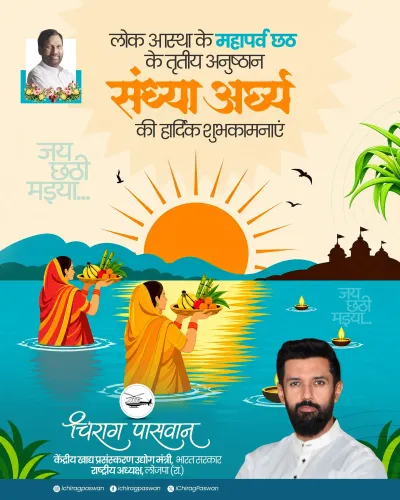
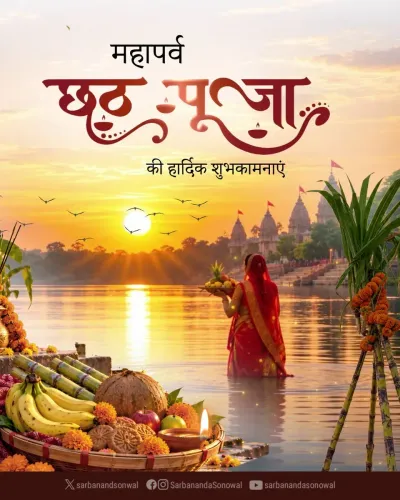
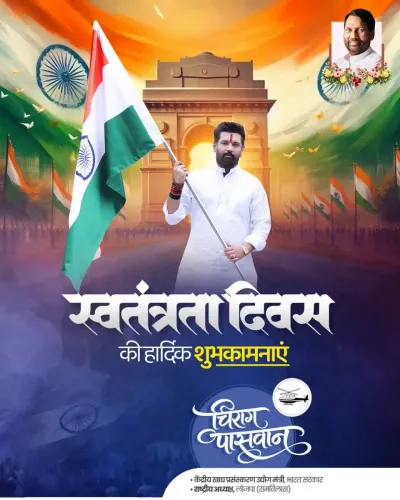
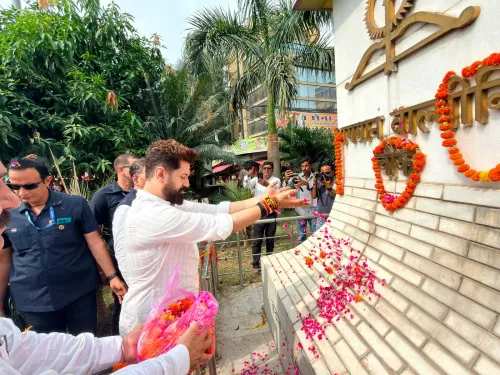
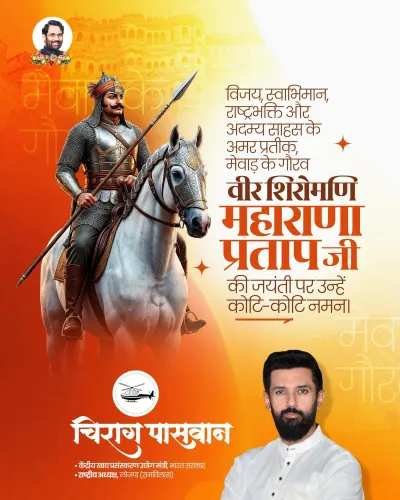
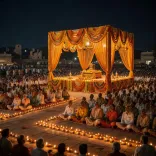
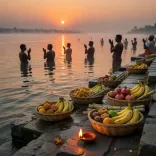
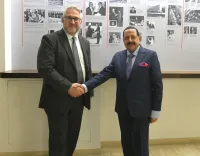
The post was accompanied by four images , sharing a personal, hands-on account rather than a formal political statement.
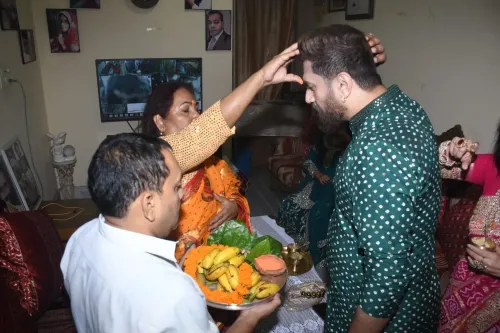
Amid the fragrance of freshly made prasad and the glow of a setting sun, Union Food Processing Minister Chirag Paswan paused on Sunday, 15 November 2026 to share what Chhath Puja truly feels like from the inside — not as ceremony, but as lived faith.
Paswan wrote on X: 'prasad banate hue mehsoos hua ki Chhath sirf ek parv nahin, balki aastha mein rachi hamari sanskriti aur apnon ke saath judne ka ehsaas hai' — 'While making prasad, I felt that Chhath is not merely a festival, but our culture woven into faith, and the feeling of being connected with loved ones.' He added that from the smallest preparations to the ritual offering of arghya to the Sun God, every moment carries a distinct experience of reverence and dedication.
The Rituals That Make Chhath More Than a Festival
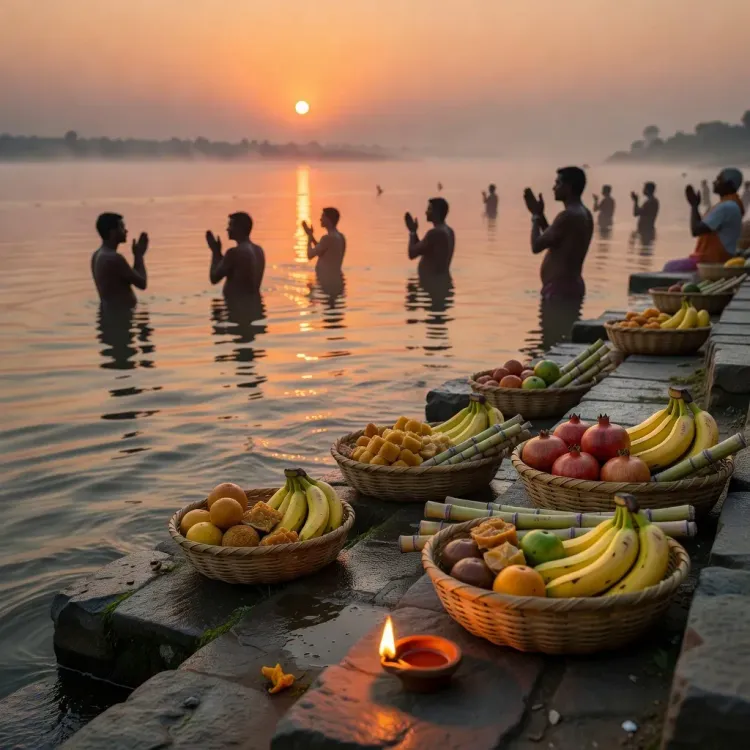
Chhath Puja is one of the oldest and most demanding folk festivals in the Hindu calendar, observed with particular intensity across Bihar and eastern Uttar Pradesh. Devotees observe multi-day fasts, prepare offerings of seasonal fruits and thekua (a traditional sweet), and wade into rivers or ponds to offer arghya — ritual water salutations — to the rising and setting sun. There are no priests, no intermediaries: the bond is direct, between the devotee and the Sun God.
The festival's spiritual core is precisely what Paswan's post captures — the belief that the sacred lives not in grand gestures but in the quiet labour of preparation: kneading dough, arranging bamboo baskets, keeping the hearth clean. It is folk faith in its most intimate form.
A Bihar Leader and His Festival
Chirag Paswan, who leads the Lok Janshakti Party (Ram Vilas) and represents the political legacy of his father, the late Ram Vilas Paswan, has deep roots in Bihar's cultural landscape. For leaders from the state, Chhath is never just a photo opportunity — it is a festival that shapes identity, community, and electoral geography alike. Sharing a personal, hands-on account of making prasad rather than a formal platform speech signals exactly that kind of authentic cultural connection.
Indian political figures from Bihar have long used Chhath observances to reinforce ties with the diaspora as well, given the festival's growing visibility in Delhi, Mumbai, and among Bihari communities abroad. Paswan's post, accompanied by four images, extends that tradition into the social-media era.
When faith is made by hand — one offering at a time — it tends to outlast any political season.
Point of View
A personal Chhath Puja post is never incidental — the festival is the single most emotionally resonant cultural marker for Bihari voters across India and the diaspora. By foregrounding the act of making prasad rather than a stage appearance, Paswan signals grassroots cultural authenticity at a time when his party is consolidating its identity post his father Ram Vilas Paswan's era. The post also fits a wider pattern of Hindi-belt leaders using major folk festivals to maintain a warm, non-political public persona between electoral cycles. In a polarised media environment, Chhath content tends to be one of the rare spaces where political messaging and genuine sentiment coexist without friction.
NationPress
15 Nov 2026
Frequently Asked Questions
What did Chirag Paswan say about Chhath Puja?
Chirag Paswan wrote that while making prasad he felt Chhath is not merely a festival but 'our culture woven into faith' — and that every step, from small preparations to offering arghya to the Sun God, holds a unique experience of devotion and dedication.
What is Chhath Puja and why is it important in Bihar?
Chhath Puja is an ancient Hindu folk festival centred on sun worship, observed with particular intensity in Bihar and eastern Uttar Pradesh. Devotees fast, prepare traditional offerings, and offer ritual water salutations — called arghya — directly to the Sun God, with no priestly intermediary.
Who is Chirag Paswan?
Chirag Paswan is India's Union Minister of Food Processing Industries and the national president of the Lok Janshakti Party (Ram Vilas), carrying forward the political legacy of his father, the late Ram Vilas Paswan.
What is prasad in the context of Chhath Puja?
In Chhath Puja, prasad refers to the sacred offerings prepared by devotees — typically seasonal fruits and traditional sweets like thekua — which are arranged in bamboo baskets and offered to the Sun God during the arghya ritual.
When is Chhath Puja celebrated?
Chhath Puja falls in the Hindu month of Kartik, typically in October or November, over four days that include fasting, bathing rituals, and sunrise and sunset arghya offerings.