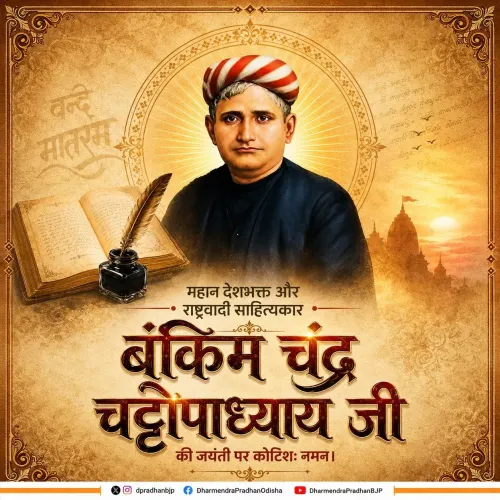
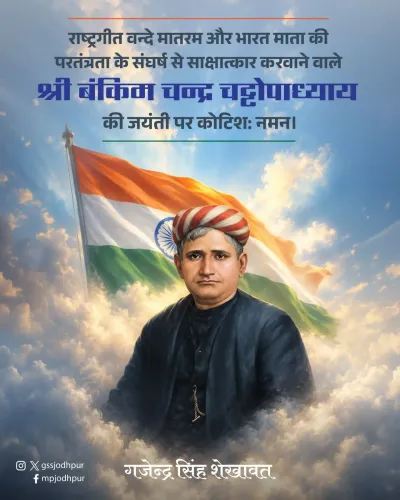
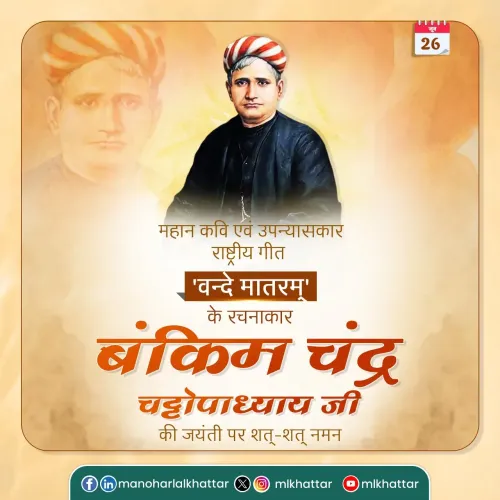
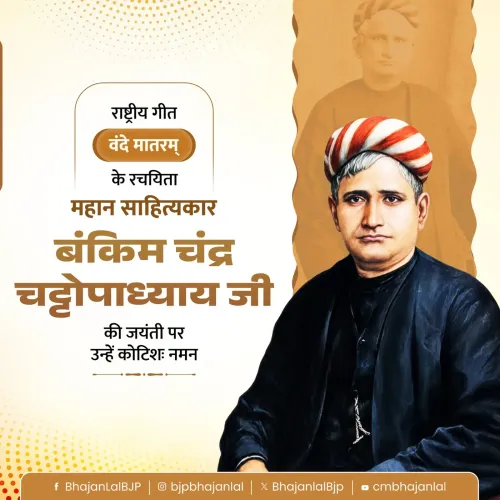
Chirag Paswan pays tribute to Bankim Chandra on birth anniversary
Synopsis
Union Food Processing Minister Chirag Paswan on 27 June 2026 paid tribute to 19th-century Bengali novelist Bankim Chandra Chattopadhyay on his birth anniversary, calling him a writer who carried nationhood to every citizen and crediting him with elevating Indian literature — a salute anchored in Chattopadhyay's legacy as the composer of Vande Mataram.
Key Takeaways
Chirag Paswan , Union Minister of Food Processing Industries and president of Lok Janshakti Party (Ram Vilas) , posted a tribute to Bankim Chandra Chattopadhyay on 27 June 2026 .
Bankim Chandra Chattopadhyay (born 1838 ) authored the novel Anandamath (1882), which contained the song Vande Mataram .
Vande Mataram was adopted as India's national song by the Constituent Assembly on 24 January 1950 .
Paswan described Chattopadhyay as a writer who carried the spirit of nationhood to every citizen and elevated Indian literature to new heights.
The tribute is part of a broader pattern of NDA leaders honouring pre-independence cultural icons linked to the nationalist movement.
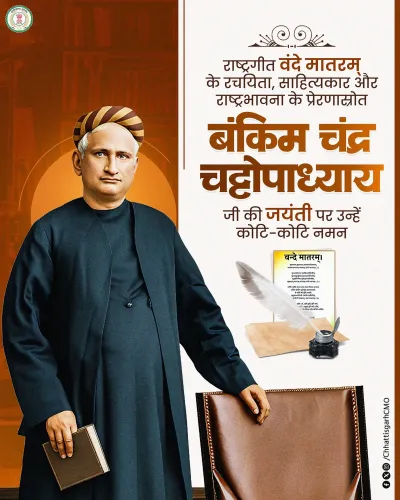
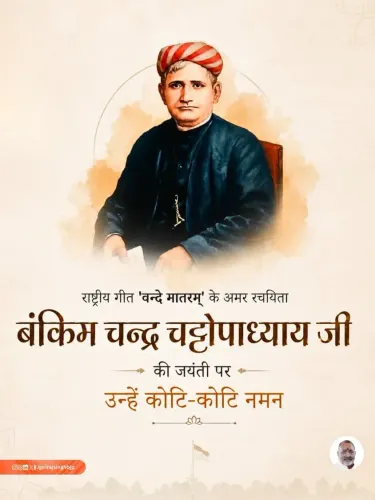
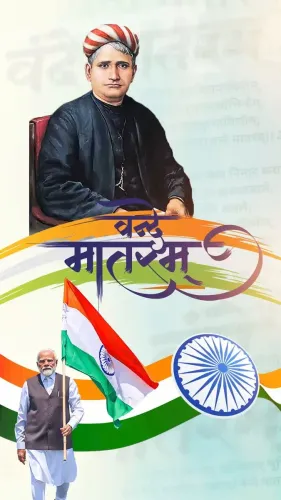
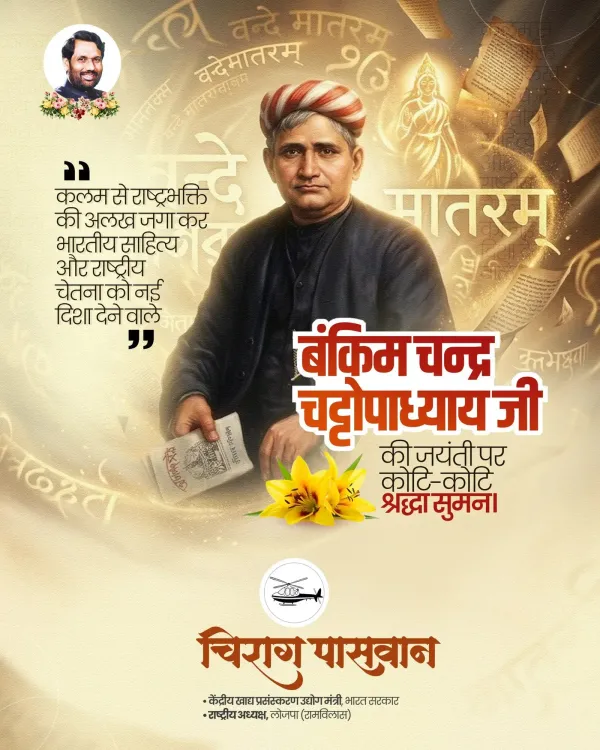
Union Food Processing Minister Chirag Paswan on Friday, 27 June 2026, paid tribute to Bankim Chandra Chattopadhyay, the 19th-century Bengali novelist and poet, on the occasion of the literary icon's birth anniversary, honouring him as a writer who carried the spirit of nationhood to every citizen and elevated Indian literature to new heights.
Posting on X, Paswan wrote in Hindi: 'अपनी लेखनी से राष्ट्रभावना को जन-जन तक पहुंचाने वाले, भारतीय साहित्य को नई ऊंचाइयों तक ले जाने वाले महान साहित्यकार बंकिम चन्द्र चट्टोपाध्याय जी की जयंती पर उन्हें कोटि-कोटि नमन।' ('Countless salutations to the great literary figure Bankim Chandra Chattopadhyay on his birth anniversary — one who carried the feeling of nationhood to every person through his pen and took Indian literature to new heights.')
Context
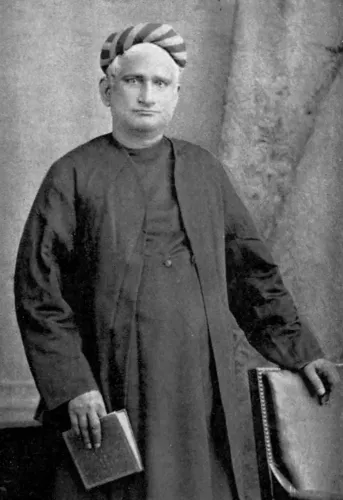
Bankim Chandra Chattopadhyay occupies a singular place in India's cultural and nationalist history. Born in 1838 in Bengal, he is best remembered as the author of the novel Anandamath (1882), within which he composed the song Vande Mataram — a hymn that became the rallying cry of the Indian independence movement. His literary output, spanning novels, essays, and poetry in Bengali and Sanskrit, is credited with shaping the Bengali Renaissance and inspiring a generation of freedom fighters.
Vande Mataram was formally recognised by the Constituent Assembly on 24 January 1950 as India's national song, standing alongside Jana Gana Mana as the national anthem. The song's journey from the pages of a 19th-century novel to a constitutional symbol underscores Chattopadhyay's enduring influence on the Indian national imagination.
Policy Backdrop
Ministers and senior leaders from the ruling National Democratic Alliance (NDA) coalition have made a consistent practice of publicly honouring birth anniversaries of pre-independence cultural and literary icons whose works are associated with national awakening. These tributes form part of a broader public communication strategy that emphasises shared cultural heritage and the contribution of regional literary traditions to the Indian nationalist movement.
Chattopadhyay's association with Vande Mataram makes his birth anniversary particularly significant within this pattern, as the national song continues to carry deep symbolic weight in political and civic discourse across India.
Stakeholders and Impact
The tribute resonates most directly with India's literary community, scholars of the Bengali Renaissance, and citizens for whom Vande Mataram remains a touchstone of national identity. West Bengal, Chattopadhyay's home state, holds a special connection to his legacy, and tributes from national leaders on his anniversary are closely noted in the state's cultural and political circles.
For Lok Janshakti Party (Ram Vilas) and its leader Paswan, such gestures also serve to reinforce the party's alignment with broad nationalist cultural values that resonate with its voter base in Bihar and beyond.
What's Next
Literary and cultural organisations across India, particularly in West Bengal, are expected to observe Chattopadhyay's birth anniversary with readings, seminars, and commemorative events. Any official government programmes marking the occasion at the national level, or parliamentary references to Vande Mataram in upcoming sessions, would further signal the continued relevance of Chattopadhyay's legacy in contemporary Indian public life.
Point of View
Paswan links his party's identity to one of the most emotionally charged symbols in Indian civic life. The gesture carries particular political resonance given the LJP (Ram Vilas)'s need to consolidate a pan-India nationalist image beyond its Bihar stronghold. At a broader level, such tributes reflect how ruling-coalition leaders use cultural anniversaries as low-risk, high-visibility communication tools that transcend portfolio boundaries.
NationPress
26 Jun 2026
Frequently Asked Questions
Who was Bankim Chandra Chattopadhyay?
Bankim Chandra Chattopadhyay was a 19th-century Bengali novelist and poet, born in 1838, best known for composing Vande Mataram in his 1882 novel Anandamath. He is regarded as a founding figure of the Bengali Renaissance and a key literary voice of India's nationalist awakening.
What is Vande Mataram and who wrote it?
Vande Mataram is India's national song, composed by Bankim Chandra Chattopadhyay and first published in his novel Anandamath in 1882. It was formally adopted as the national song by the Constituent Assembly on 24 January 1950.
Why did Chirag Paswan pay tribute to Bankim Chandra Chattopadhyay?
Chirag Paswan paid tribute on the occasion of Bankim Chandra Chattopadhyay's birth anniversary on 27 June 2026, honouring him as a great literary figure who spread the spirit of nationhood through his writing and elevated Indian literature.
What is Chirag Paswan's role in the government?
Chirag Paswan serves as Union Minister of Food Processing Industries in the NDA government and is the national president of Lok Janshakti Party (Ram Vilas).
When was Vande Mataram adopted as India's national song?
Vande Mataram was adopted as India's national song by the Constituent Assembly on 24 January 1950, the same day Jana Gana Mana was designated as the national anthem.