Chirag Paswan Flags Shelf-Life, Climate-Resilient Food Push
Synopsis
Union Food Processing Minister Chirag Paswan has said his ministry is working to extend the shelf life of agricultural produce and build climate-adaptive food systems, promising better prices for farmers, new opportunities for enterprises, and safer food choices for consumers.
Key Takeaways
Chirag Paswan , Union Minister of Food Processing Industries, announced on June 9, 2026 that his ministry is working on extending the shelf life of agricultural produce.
The initiative also targets the development of climate-resilient food systems to counter yield variability and post-harvest losses.
The minister identified three direct beneficiaries: farmers (better prices), enterprises (new opportunities), and consumers (safer, more sustainable food).
The effort builds on the Pradhan Mantri Kisan SAMPADA Yojana (2017) and the National Mission for Sustainable Agriculture (2011) .
India faces significant post-harvest losses in perishable produce, making shelf-life extension a key lever for improving farmer income and food security.
Union Food Processing Minister Chirag Paswan on Tuesday, June 9, 2026, said his ministry is actively working to extend the shelf life of agricultural produce and develop climate-adaptive food systems — framing the effort as a triple benefit for farmers, enterprises, and consumers.
Context
Posting on X, Chirag Paswan wrote that innovations in this space would give farmers better prices, open new opportunities for businesses, and provide consumers with safer and more sustainable food choices. In his words: 'Krishi upaj ki shelf-life badhane aur jalvayu-anukool khadya pranaliyan viksit karne par kaam kar rahe hain' — 'We are working to increase the shelf life of agricultural produce and develop climate-resilient food systems.' He added that such innovations would deliver better value to farmers, new opportunities to enterprises, and safer, more sustainable food options to consumers.
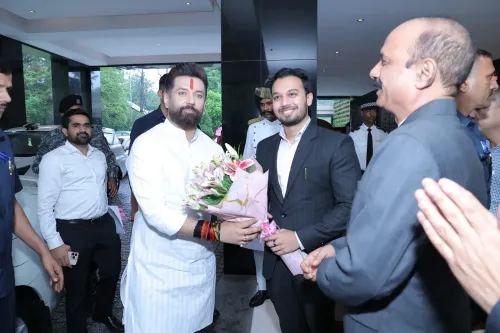
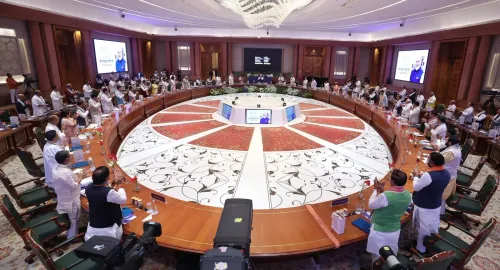
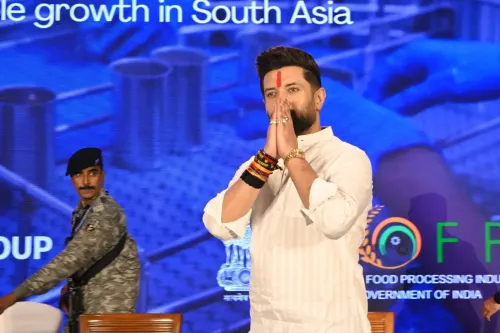
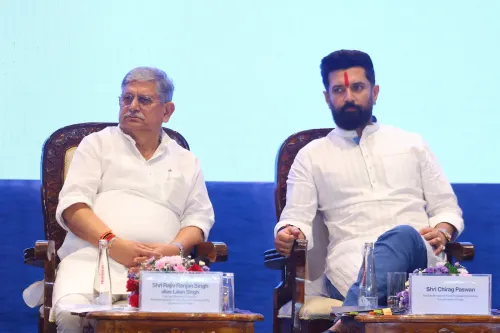
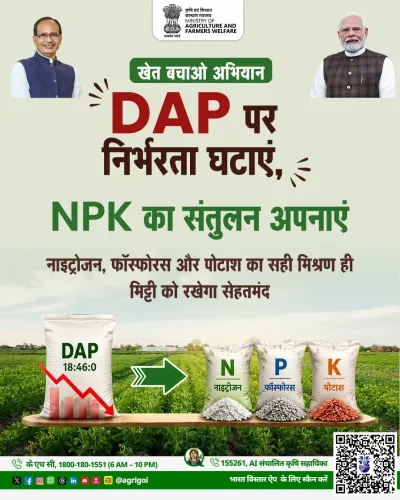
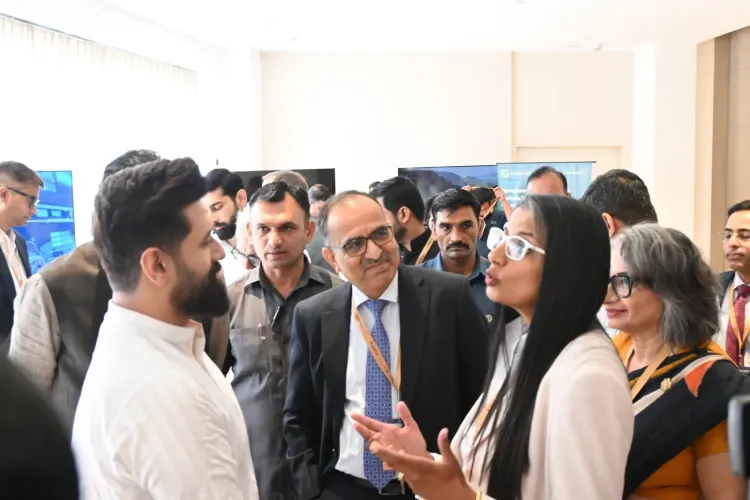
The post was accompanied by four images, indicating an on-ground engagement or institutional meeting, though specific details of the event were not disclosed in the post text.
Policy Backdrop
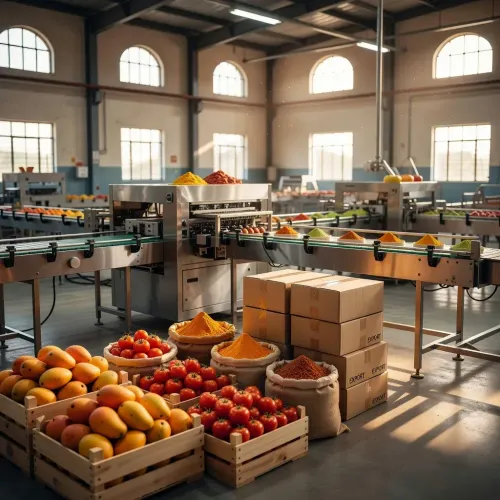
The ministry's current push sits within a well-established policy lineage. The Pradhan Mantri Kisan SAMPADA Yojana, launched in 2017, was designed to build modern food processing infrastructure and integrated supply chains to reduce post-harvest losses and add value to farm output. That scheme has served as the primary vehicle for expanding cold-chain networks and processing clusters across the country.
Separately, the National Mission for Sustainable Agriculture, launched in 2011 under the National Action Plan on Climate Change, laid the groundwork for promoting climate-resilient agricultural practices. Paswan's current articulation effectively bridges these two streams — food processing capacity and climate adaptation — into a single policy direction.
India loses a significant share of its horticultural and perishable produce annually due to inadequate storage, processing, and supply-chain infrastructure. Extending shelf life through technology is widely seen as one of the most direct levers to reduce this waste and improve farmer realisations.
Stakeholders and Impact
Small and marginal farmers stand to gain most directly if post-harvest losses are curtailed and price realisations improve through better-processed, longer-lasting produce. For food processing enterprises — ranging from small units to large manufacturers — climate-adaptive systems could unlock new product categories and export markets where shelf-life compliance is a key requirement.
Consumers are the downstream beneficiary: safer food with a reduced carbon footprint and fewer preservative-heavy interventions aligns with both health preferences and sustainability expectations. The minister's framing of the initiative as a three-way benefit signals an effort to build broad political and commercial coalition around what is fundamentally a supply-chain modernisation agenda.
What's Next
Observers will watch for concrete technology pilots under existing food processing schemes and any new budget allocations directed at climate-resilient cold-chain or processing infrastructure. The ministry's ability to translate this stated direction into measurable targets — shelf-life benchmarks, reduction in post-harvest loss percentages, or new processing capacity — will determine whether the initiative moves beyond a policy statement. Alignment with the agriculture ministry and state governments will be critical to scaling any pilots at the farm gate.
Point of View
The minister is attempting to broaden the ministry's mandate beyond conventional processing subsidies into forward-looking supply-chain technology. This aligns with a broader pattern in which central ministries have sought to attach climate-adaptation language to existing schemes to attract both domestic budget support and international partnership interest. The real test will be whether this translates into measurable pilots and allocations, or remains an aspirational policy direction ahead of the next budget cycle.
NationPress
16 Sept 2026
Frequently Asked Questions
What did Chirag Paswan say about food processing on June 9 2026?
Chirag Paswan said his ministry is working to extend the shelf life of agricultural produce and develop climate-resilient food systems, with benefits flowing to farmers, food enterprises, and consumers.
What is the Pradhan Mantri Kisan SAMPADA Yojana?
Pradhan Mantri Kisan SAMPADA Yojana is a central sector scheme launched in 2017 to develop modern food processing infrastructure, integrated cold chains, and supply chains to reduce post-harvest losses and add value to farm produce.
How does extending shelf life of produce help farmers in India?
Extending the shelf life of agricultural produce reduces post-harvest losses, allows farmers to time their sales better, and improves price realisations by reducing distress selling of perishable goods.
What is India's National Mission for Sustainable Agriculture?
The National Mission for Sustainable Agriculture was launched in 2011 under the National Action Plan on Climate Change to promote climate-resilient and resource-efficient farming practices across India.
What is Chirag Paswan's role in the government?
Chirag Paswan is the Union Minister of Food Processing Industries in the Government of India and serves as the national president of the Lok Janshakti Party (Ram Vilas) .