CJI Surya Kant in Jaipur: Historic 39-Judge Bench Sits Together
Synopsis
CJI Surya Kant addressed Jaipur's 'Bench Beyond Retirement' seminar as 39 Rajasthan HC judges sat simultaneously — a historic first for the Jaipur Bench. His second visit in two months signals a deliberate judicial reform push, covering post-retirement roles, cybercrime threats, and AI's impact on justice delivery.
Key Takeaways
CJI Surya Kant addressed the 'Bench Beyond Retirement' seminar in Jaipur on April 26, 2025 , focusing on the post-retirement role of judges.
39 judges of the Rajasthan High Court's Jaipur Bench sat simultaneously for the first time in the bench's history, including Acting Chief Justice S.P.
The court constituted four Larger Benches, six Division Benches, and fifteen Single Benches to facilitate the historic concurrent hearing arrangement.
This is CJI Kant's second visit to Jaipur within two months ; his first on February 20 was for a national cybersecurity conference.
During his February visit, CJI Kant revealed that cybercriminals operating from Nigeria had created fake websites using his identity, and that 6.6 million cybercrime complaints are pending in India.
Cases from Jodhpur were also heard from Jaipur via video conferencing as part of the restructured judicial roster.
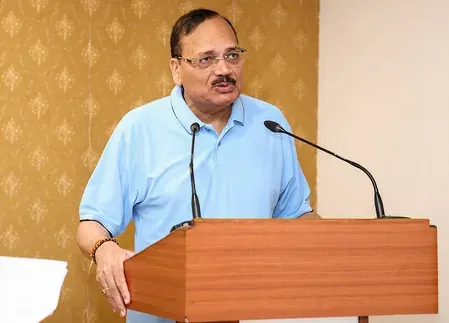
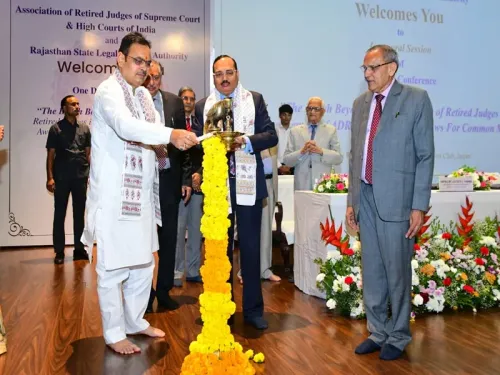
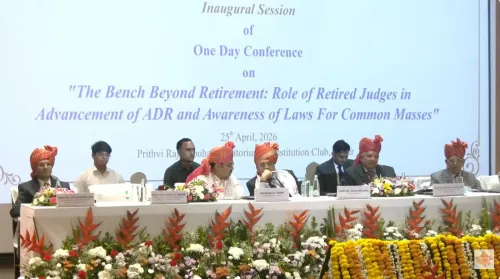
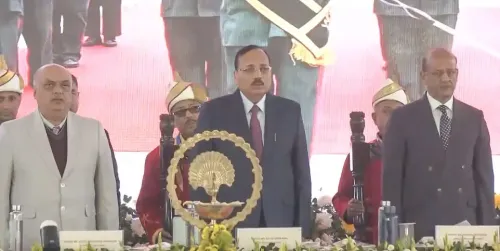
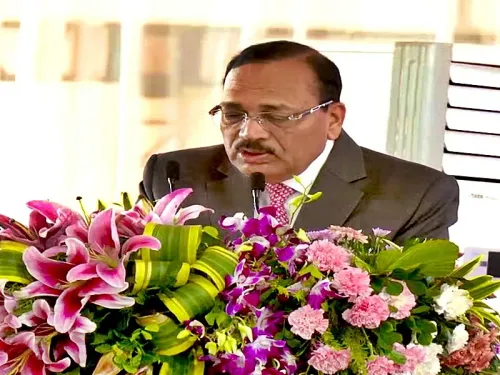
Chief Justice of India (CJI) Surya Kant arrived in Jaipur on Saturday, April 26, to deliver the keynote address at a landmark one-day seminar titled 'The Bench Beyond Retirement', which examines the evolving role of retired judges in India's legal ecosystem. Rajasthan Chief Minister Bhajanlal Sharma is also attending the event, underscoring its political and judicial significance. The seminar marks CJI Kant's second visit to the Rajasthan capital within two months.
Historic 39-Judge Bench at Rajasthan High Court
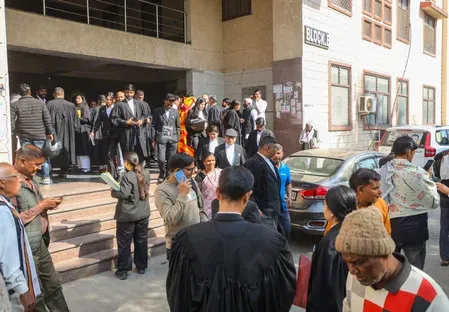
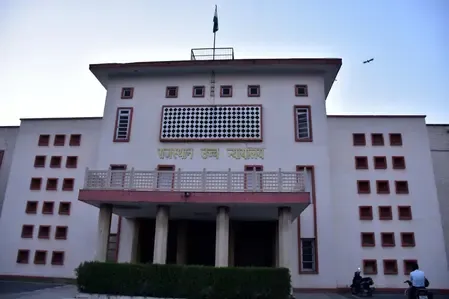
Coinciding with the CJI's visit, the Rajasthan High Court's Jaipur Bench scripted judicial history on Saturday as 39 judges — including Acting Chief Justice S.P. Sharma — convened simultaneously to conduct hearings. Legal observers confirm this is likely the first such occurrence since the establishment of the Jaipur Bench, making it a watershed moment in Rajasthan's judicial history.
To accommodate this unprecedented arrangement, the High Court restructured its entire roster, constituting four Larger Benches, six Division Benches, and fifteen Single Benches. This is also the first time in Rajasthan that four Larger Benches — each comprising more than two judges — have functioned concurrently. Cases originating from Jodhpur were additionally heard from Jaipur via video conferencing, reflecting the court's embrace of digital judicial infrastructure.
Why This Seminar Matters: The Post-Retirement Role Debate
The seminar's theme — 'The Bench Beyond Retirement' — addresses a growing national conversation about what retired judges should and should not do after leaving the bench. In recent years, several retired Supreme Court and High Court judges have accepted gubernatorial appointments, joined tribunals, or taken up arbitration roles, sparking debates about judicial independence and the cooling-off period post-retirement.
Critics argue that the absence of a mandatory cooling-off period before retired judges accept government appointments creates a perception of conflict of interest. Proponents, however, contend that experienced legal minds are a national asset that should continue contributing to justice delivery. CJI Kant's address is expected to offer an authoritative perspective on balancing these competing concerns.
CJI's Second Jaipur Visit: Cybercrime in Focus Last Time
This is CJI Surya Kant's second visit to Jaipur within two months. His earlier visit on February 20 was for the inauguration of a national cybersecurity conference, where he made headlines by revealing that he himself had been targeted by cybercriminals. He disclosed that fake websites impersonating him appear frequently, with one instance where a woman received messages from a fraudulent site bearing his name.
The CJI had noted that the cybercriminals operating these fake portals were traced to Nigeria, highlighting the cross-border complexity of digital crime. He warned that approximately 6.6 million cybercrime complaints are currently pending across India, and that cyber offences have expanded well beyond financial fraud to threaten institutional trust itself.
CJI Kant also described Artificial Intelligence as a transformative tool for improving access to justice in India, while cautioning that the same technology could be weaponised by bad actors if regulatory frameworks lag behind innovation.
Broader Implications for India's Judiciary
The simultaneous sitting of 39 judges at the Jaipur Bench is not merely symbolic. It signals a deliberate effort by the judiciary to demonstrate institutional strength and efficiency at a time when India's courts face a backlog of over 50 million pending cases nationwide. The restructured roster — with multiple Larger Benches operating together — could serve as a model for other High Courts grappling with similar capacity constraints.
The event also reflects the CJI's broader agenda of judicial outreach and reform, which has included engagements with state governments, bar councils, and civil society across the country since he assumed office. His focus on retired judges' roles, cybersecurity, and AI collectively point to a forward-looking judicial vision that seeks to modernise India's legal infrastructure while reinforcing its independence.
As the seminar concludes, legal circles will closely watch whether its recommendations translate into a formal policy framework governing post-retirement conduct for judges — a reform that legal experts say is long overdue and could significantly strengthen public confidence in the judiciary.
Point of View
Large-scale action when it chooses to be. But the more consequential question being debated inside the seminar hall is whether retired judges accepting government roles undermines the very independence the Constitution demands. CJI Kant's dual focus — on post-retirement conduct and on cybercrime threats to institutional trust — reveals a judiciary acutely aware that its legitimacy is being tested from multiple directions simultaneously. If today's seminar produces actionable recommendations on cooling-off periods and post-retirement guidelines, it could be the most significant judicial self-reform moment in recent memory.
NationPress
22 Sept 2026
Frequently Asked Questions
What is the 'Bench Beyond Retirement' seminar in Jaipur about?
The 'Bench Beyond Retirement' seminar is a one-day event in Jaipur focused on the role retired judges can and should play after leaving the bench. It was addressed by Chief Justice of India Surya Kant on April 26, 2025, and also attended by Rajasthan Chief Minister Bhajanlal Sharma.
Why is 39 judges sitting together at Rajasthan High Court historic?
All 39 judges of the Rajasthan High Court's Jaipur Bench, including Acting Chief Justice S.P. Sharma, convened simultaneously — believed to be the first such occurrence since the Jaipur Bench was established. The court constituted four Larger Benches, six Division Benches, and fifteen Single Benches to facilitate this.
What did CJI Surya Kant say about cybercrime during his previous Jaipur visit?
During his February 20 visit to Jaipur for a cybersecurity conference, CJI Kant revealed that fake websites impersonating him appear frequently and that one woman received messages from such a fraudulent site. He disclosed that the cybercriminals were traced to Nigeria, highlighting the cross-border nature of such crimes.
How many cybercrime complaints are pending in India according to CJI Kant?
CJI Surya Kant stated that approximately 6.6 million cybercrime complaints are currently pending across India. He warned that cyber offences have expanded beyond financial fraud to threaten public trust in institutions.
What is the debate around retired judges taking government appointments in India?
The debate centres on whether retired judges accepting gubernatorial posts, tribunal memberships, or arbitration roles compromises judicial independence due to the absence of a mandatory cooling-off period. Critics argue it creates a perception of conflict of interest, while supporters say experienced legal minds should continue contributing to justice delivery.