Rajasthan HC forms 25 benches as all 39 judges convene in Jaipur for 3-day conference
Synopsis
All 39 judges of the Rajasthan High Court — from both Jodhpur and Jaipur — are sitting together in Jaipur for a three-day international conference, forcing the court to constitute 25 benches and route Jodhpur cases through video conferencing. Larger benches will meanwhile hear long-pending issues including a 35-year-old petition on the Manu statue and POCSO convict transfer eligibility.
Key Takeaways
The Rajasthan High Court has constituted 25 benches — four larger, six division, and fifteen single — for Friday, 1 August .
All 39 judges from both the Jodhpur Principal Seat and the Jaipur Bench are in Jaipur for a three-day international conference on peace, mediation, and the rule of law .
Jodhpur matters will be heard through video conferencing by one larger bench, three division benches, and four single benches.
The conference is hosted by the Rajasthan State Legal Services Authority and draws judges, advocates, and policymakers from Commonwealth countries .
Larger benches will hear significant matters including the Manu statue petition pending since 1989 and POCSO convict open-prison transfer eligibility.
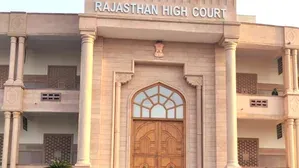
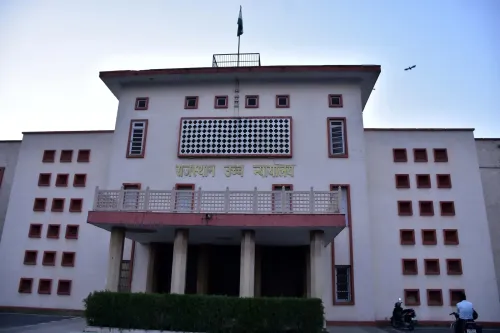
The Rajasthan High Court has constituted 25 benches — including four larger benches, six division benches, and fifteen single benches — to ensure uninterrupted judicial proceedings on Friday, 1 August, as all 39 judges from both the Principal Seat at Jodhpur and the Jaipur Bench converge on Jaipur for a three-day international conference. Cases from the Jodhpur seat will be heard via video conferencing, marking one of the court's more unusual administrative arrangements in recent memory.
How the Benches Are Organised
For matters originating from the Jodhpur Principal Seat, the court has assigned one larger bench, three division benches, and four single benches — all conducting proceedings through video conferencing. The Jaipur Bench docket, meanwhile, will be handled by three larger benches, three division benches, and eleven single benches sitting in person. The structure is designed to maintain the court's full case-flow despite the geographic consolidation of its entire judiciary in one city.
The Conference Drawing All Judges to Jaipur
The trigger for this administrative reconfiguration is an international conference on peace, mediation, and the rule of law, commencing Friday evening and running for three days. Hosted by the Rajasthan State Legal Services Authority, the event is expected to bring together judges, senior advocates, mediators, scholars, and policymakers from Commonwealth countries. The confluence of so many judicial and legal minds in Jaipur simultaneously makes the bench arrangement both a logistical necessity and a showcase of the court's administrative flexibility.
Key Legal Questions Before the Larger Benches
The larger benches are scheduled to take up several matters of substantial legal weight. Among them: whether cases involving senior citizens, women, children, and persons with disabilities should receive priority listing; petitions pending since 1989, filed by Acharya Dharmendra and others, concerning the installation of a statue of Manu within the Jaipur Bench premises; and legal questions around the eligibility of convicts serving sentences under the POCSO Act and for the rape of minors to be transferred to open prisons.
Notably, the Manu statue petitions have been pending for over three decades, making their listing before a larger bench a significant procedural development. The decisions rendered are expected to set authoritative precedents guiding adjudication of similar matters across lower courts.
Significance of the Arrangement
This special sitting underscores the Rajasthan High Court's commitment to ensuring that judicial work does not stall even during extraordinary administrative circumstances. The use of video conferencing for Jodhpur matters also reflects the court's growing reliance on technology-enabled hearings — a practice that expanded substantially during the post-pandemic period and has since been institutionalised for select proceedings. How smoothly the hybrid model functions across 25 simultaneous benches on Friday will be closely watched by court administrators.
Point of View
But it also raises a quiet question about judicial prioritisation. The real test is not whether the roster holds for one day, but whether the larger benches use this rare consolidated sitting to finally resolve matters like the 35-year-old Manu statue petition that have drifted through the docket for decades. Courts routinely cite pendency as a systemic crisis; a three-decade-old petition still awaiting adjudication is a pointed illustration of why that criticism sticks.
NationPress
14 Sept 2026
Frequently Asked Questions
Why has the Rajasthan High Court constituted 25 special benches?
The Rajasthan High Court has constituted 25 benches to keep judicial proceedings running on 1 August while all 39 of its judges attend a three-day international conference on peace, mediation, and the rule of law in Jaipur. Cases from the Jodhpur Principal Seat will be heard via video conferencing.
What is the international conference that has brought all Rajasthan HC judges to Jaipur?
The conference, hosted by the Rajasthan State Legal Services Authority, focuses on peace, mediation, and the rule of law, and begins Friday evening. It is expected to bring together judges, senior advocates, mediators, scholars, and policymakers from Commonwealth countries.
How will Jodhpur Principal Seat cases be handled during this period?
Cases from the Jodhpur Principal Seat will be heard through video conferencing by one larger bench, three division benches, and four single benches assigned specifically for that purpose.
What significant legal matters will the larger benches take up?
The larger benches will hear whether cases involving senior citizens, women, children, and persons with disabilities should get priority listing; petitions pending since 1989 regarding the installation of a Manu statue at the Jaipur Bench premises; and questions on whether convicts sentenced under the POCSO Act or for rape of minors are eligible for transfer to open prisons.
How long will this special bench arrangement last?
The special arrangement is in place for the duration of the three-day international conference. All judges are expected to remain in Jaipur for those three days, with the bench roster designed to ensure uninterrupted judicial work throughout.