Rajasthan HC to hold virtual hearings on 3 days to cut fuel costs
Synopsis
Rajasthan High Court is going virtual for three days in May 2026 — not because of a crisis, but to cut fuel costs. The pilot, backed by a Supreme Court circular and a DoPT directive, could set a template for hybrid court functioning across India if it delivers.
Key Takeaways
Rajasthan High Court will hold video-conferencing hearings on 22 May , 26 May , and 27 May 2026 .
Both the Jodhpur Principal Bench and the Jaipur Bench are covered under the pilot.
The initiative follows a DoPT memorandum (12 May) and a Supreme Court circular (15 May) on fuel conservation.
Physical hearings will not be fully discontinued and can be held when courts deem them necessary.
Justice Sameer Jain cycling to the Jaipur Bench days earlier had spotlighted the fuel conservation push.
If successful, the pilot could inform broader hybrid court functioning policies across India.
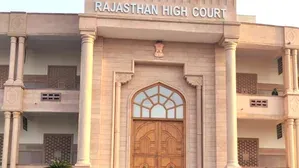
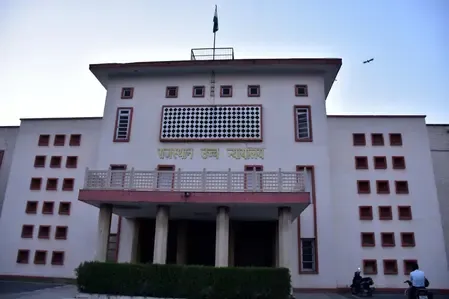
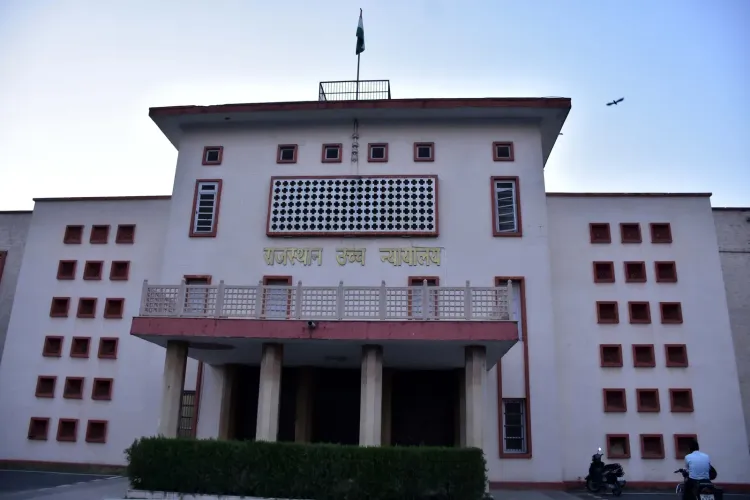
The Rajasthan High Court administration has decided to conduct proceedings via video conferencing on three designated dates — 22 May, 26 May, and 27 May 2026 — across both the Jodhpur Principal Bench and the Jaipur Bench, in a pilot initiative aimed at reducing fuel consumption and lowering operational costs. The order was issued by Registrar General Chanchal Mishra on Wednesday.
What the Order Says
According to the official notice, all court proceedings under both benches will be conducted through video conferencing from courtrooms on the three designated dates. The administration clarified, however, that physical hearings will not be entirely discontinued and may still be held whenever a court deems them necessary.
The initiative was finalised after consultations with the High Court Bar Associations of both the Jodhpur Principal Bench and the Jaipur Bench, signalling broad institutional buy-in before the pilot was launched.
The Policy Push Behind It
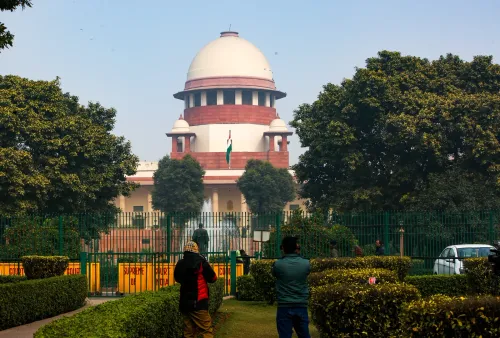
The decision follows two key directives from the Centre: a memorandum issued by the Department of Personnel and Training (DoPT) on 12 May 2026, and a circular from the Supreme Court dated 15 May 2026 — both focused on promoting fuel conservation while ensuring uninterrupted judicial functioning. This places Rajasthan among the early state-level courts to operationalise the Centre's fuel-conservation push in the judiciary.
Appeal to Advocates and Litigants
The High Court administration has appealed to advocates, litigants, and other stakeholders to cooperate by opting for virtual participation wherever feasible. Lawyers and court visitors have additionally been advised to minimise unnecessary travel and adopt vehicle-pooling practices to further curb petrol and diesel consumption.
The Broader Context
The move comes days after Justice Sameer Jain was seen cycling to the Jaipur Bench — a gesture that drew considerable public attention to fuel conservation and environmental awareness in judicial circles. Notably, this is part of a wider institutional trend: concerns around environmental sustainability and cost-efficient administration are increasingly shaping policy decisions across government bodies.
Legal circles believe that if the pilot proves successful, hybrid or virtual functioning could be adopted more regularly in future administrative planning, particularly in cases where physical presence is not mandatory. The High Court administration has assured that judicial work and access to justice will remain unaffected throughout the virtual hearing days.
Point of View
Backed by both the DoPT and the Supreme Court, signals that the judiciary is being nudged toward an environmental accountability framework it has largely avoided. The real question is whether this remains a symbolic three-day exercise or becomes the baseline for a hybrid model. Access-to-justice advocates will be watching: virtual hearings reduce travel costs for litigants in distant districts, but they also risk excluding those without reliable internet access. The pilot's success metrics — if any are defined — will determine whether this is policy or performance.
NationPress
16 Sept 2026
Frequently Asked Questions
Why is the Rajasthan High Court conducting virtual hearings in May 2026?
The Rajasthan High Court has launched a three-day virtual hearing pilot on 22, 26, and 27 May 2026 to promote fuel conservation and reduce operational costs. The move follows directives from the Department of Personnel and Training and the Supreme Court, both issued in May 2026.
Which benches are covered under the virtual hearing pilot?
Both the Jodhpur Principal Bench and the Jaipur Bench of the Rajasthan High Court are covered. All court proceedings under these benches will be conducted via video conferencing from courtrooms on the designated dates.
Will physical hearings be completely stopped during the virtual days?
No. The Rajasthan High Court administration has clarified that physical hearings will not be entirely discontinued and can still take place whenever a court considers them necessary.
What prompted this initiative at the national level?
A memorandum from the Department of Personnel and Training dated 12 May 2026 and a Supreme Court circular dated 15 May 2026 both called for fuel conservation measures while ensuring uninterrupted judicial functioning. Rajasthan is among the first state-level courts to act on these directives.
Could this pilot lead to a permanent shift toward hybrid court hearings?
Legal circles believe that if the pilot proves successful, hybrid or virtual functioning could be adopted more frequently, particularly where physical presence is not mandatory. The High Court administration has not yet committed to a permanent policy change.