Supreme Court shifts to virtual hearings, judges carpool amid West Asia fuel crisis
Synopsis
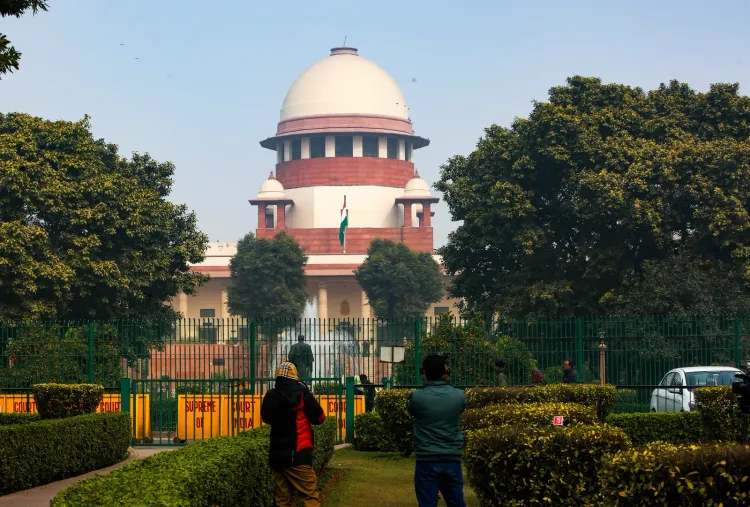
In an unprecedented administrative move, the Supreme Court has ordered video-conferencing-only hearings on miscellaneous days, formalised judge carpooling, and allowed half its registry staff to work from home — all as a direct institutional response to India's fuel conservation push amid the West Asia conflict.
Key Takeaways
The Supreme Court issued a circular on 15 May mandating virtual hearings on all miscellaneous days, including Mondays and Fridays .
Judges have unanimously resolved to adopt car-pooling arrangements to conserve fuel.
Up to 50 per cent of registry staff in each branch may work from home for up to two days a week .
WFH staff must remain reachable by phone and report to office when required; Registrars can restrict the arrangement where physical presence is essential.
The measures follow Prime Minister Narendra Modi's appeal to institutions to cut fuel use amid the ongoing West Asia crisis .
The Delhi government and several other state bodies have announced similar fuel-saving steps.
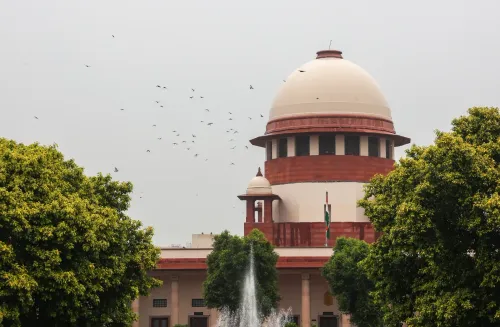
The Supreme Court of India on Friday, 15 May announced a set of fuel conservation measures, directing that all matters listed on miscellaneous days be heard exclusively via video-conferencing, while also formalising car-pooling arrangements among judges and permitting up to 50 per cent of registry staff to work from home. The measures align with the Centre's broader drive to curb fuel consumption as the prolonged West Asia conflict continues to strain India's energy import bill.
Virtual Hearings on Miscellaneous Days
Under a circular issued by Secretary General Bharat Parashar, the apex court has mandated that all matters listed on miscellaneous days — Mondays, Fridays, and any other days designated as miscellaneous — as well as matters taken up during partial working days, will now be conducted solely through video-conferencing until further orders.
The circular placed clear operational responsibility on the registry: 'The Registry shall ensure that links for the video-conferencing are sent in a timely manner, maintain stable video-conferencing facilities and extend timely technical assistance so as to avoid any inconvenience to the Hon'ble Court,' it stated.
Judges Unanimously Resolve to Carpool
In a notable gesture of institutional solidarity, the Supreme Court said its judges have 'unanimously resolved' to encourage car-pooling arrangements among themselves 'to ensure optimum utilisation of fuel.' The move signals that the conservation push extends to the highest levels of the judiciary, not merely administrative staff.
Work From Home for Registry Staff
The circular permits up to 50 per cent of staff in each branch or section of the registry to work from home for up to two days a week. The remaining staff are required to remain physically present to ensure uninterrupted court administration.
Officials availing the WFH arrangement must remain reachable by telephone and be prepared to attend office at short notice. Concerned Registrars have been empowered to restrict or modify the arrangement in branches where the nature of work demands physical presence or where remote functioning proves ineffective. The circular also directs that 'a weekly roster is prepared before the commencement of the week.'
Broader Context: Centre's Fuel Conservation Drive
The Supreme Court's circular comes days after Prime Minister Narendra Modi appealed to citizens and institutions to reduce fuel consumption and avoid unnecessary expenditure in view of economic pressures arising from the ongoing West Asia crisis. Several state governments and organisations — including the Delhi government — have since announced fuel-saving measures such as WFH policies, promotion of public transport, and restrictions on official travel.
This is a rare instance of the Supreme Court formally aligning its administrative operations with a national economic advisory, underscoring the severity of the fuel supply concern. With no end to the West Asia conflict in immediate sight, these arrangements are expected to remain in place for the foreseeable future.
Point of View
A shift that litigants and lawyers had sought for years on access-to-justice grounds but that the court had resisted formalising. The West Asia crisis has effectively done what post-pandemic advocacy could not. The harder question is whether miscellaneous-day virtual hearings improve or erode the quality of judicial interaction on procedural matters, and whether the 50 per cent WFH cap for registry staff introduces delays in physical filing and record retrieval that could slow case processing. The institutional optics of judges carpooling are commendable, but the structural impact of this circular may outlast the fuel crisis that prompted it.
NationPress
3 Oct 2026
Frequently Asked Questions
What fuel conservation measures has the Supreme Court announced?
The Supreme Court has directed that all matters on miscellaneous days be heard via video-conferencing, that judges carpool to conserve fuel, and that up to 50 per cent of registry staff work from home for up to two days a week. The measures were outlined in a circular issued by Secretary General Bharat Parashar on 15 May.
Which hearing days will now be conducted virtually?
All matters listed on miscellaneous days — Mondays, Fridays, and any other days declared miscellaneous — as well as matters taken up on partial working days, will now be heard exclusively through video-conferencing until further orders from the Supreme Court.
Why has the Supreme Court introduced these measures?
The measures are part of the Centre's broader push to reduce fuel consumption amid the ongoing West Asia conflict, which has put pressure on India's energy import costs. Prime Minister Narendra Modi had appealed to citizens and institutions to cut unnecessary fuel use.
How does the Work From Home arrangement work for registry staff?
Up to 50 per cent of staff in each branch or section of the registry may work from home for up to two days a week. A weekly roster must be prepared in advance, WFH staff must remain available by phone, and Registrars can restrict the arrangement where physical presence is necessary.
Which other institutions have announced similar fuel-saving steps?
The Delhi government and several other state governments and organisations have announced fuel conservation measures including WFH policies, promotion of public transport, and restrictions on official travel, following the Centre's advisory.