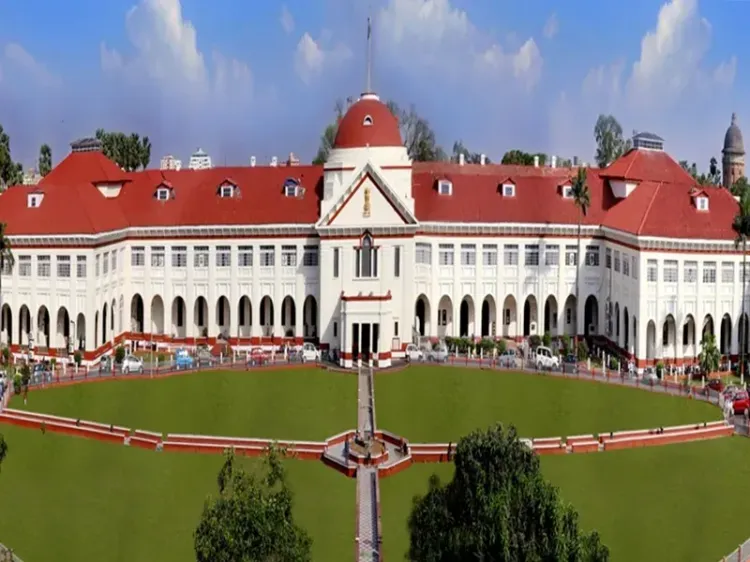
Patna High Court virtual hearings dispose of 490 cases in 2 days during summer break
Synopsis
The Patna High Court cleared nearly 490 cases in just two days by holding virtual hearings during its summer vacation — a first backed by a formal SOP. With Bihar baking above 40°C and India's courts drowning in backlog, this quiet digital experiment could become the blueprint other high courts were waiting for.
Key Takeaways
Patna High Court introduced virtual hearings during its summer vacation via a dedicated Standard Operating Procedure (SOP) .
Nine special benches were constituted on 18 and 19 May 2026 , with nearly 900 cases listed across both days.
Around 222 cases were disposed of on 18 May and 268 cases on 19 May — totalling nearly 490 disposals in two days.
The initiative is seen as particularly beneficial for litigants from Bihar's remote and rural areas, sparing them travel in temperatures above 40°C .
Legal observers are calling it a model for other High Courts across India to replicate during vacation periods.
The Patna High Court disposed of nearly 490 cases in just two days through a newly introduced virtual hearing system during its summer vacation period, marking one of the most significant digital reforms in the court's recent history. The initiative, backed by a dedicated Standard Operating Procedure (SOP), is being closely watched as a potential model for high courts across India.
How the Virtual System Worked
The court constituted nine special benches for 18 and 19 May 2026 to hear urgent matters via video conferencing. Nearly 900 cases were listed across these benches during the two-day window, covering petitions requiring urgent hearing and interim relief. On 18 May, virtual proceedings resulted in the disposal of around 222 cases. The following day, the pace accelerated, with various benches clearing an additional 268 petitions through online hearings.
Why This Matters for Access to Justice
Traditionally, court functioning during summer vacations is sharply curtailed, leaving litigants with urgent matters in a prolonged wait. The Patna High Court's SOP-driven approach directly addresses that gap. Legal experts note the initiative is especially significant for litigants and advocates from Bihar's remote and rural districts, who would otherwise face arduous travel during extreme heat. Temperatures in Bihar have reportedly been hovering above 40 degrees Celsius, with high humidity levels making outdoor movement difficult and potentially hazardous.
Broader Impact on Judicial Backlog
India's courts collectively carry one of the world's heaviest caseload backlogs. Legal observers argue that consistent adoption of virtual hearings during vacation periods — if supported by robust digital infrastructure — could make a measurable dent in pending case numbers. The Patna High Court's two-day disposal figure of nearly 490 cases through a mechanism that did not require a single litigant or advocate to physically enter a courtroom is being cited as proof of concept. Experts also note that digital hearings improve efficiency not just for litigants but for court staff, reducing logistical strain during periods of extreme weather.
A Model for Other High Courts
Legal observers are characterising the Patna High Court's move as a pioneering step within the Indian judicial system. The court's structured SOP — rather than an ad hoc arrangement — gives the initiative replicability. If other high courts adopt similar frameworks, the cumulative impact on case clearance rates during vacation periods nationally could be substantial. This comes amid a broader judicial emphasis on technology-driven, accessible, and uninterrupted justice delivery across the country.
What Comes Next
Whether the Patna High Court extends virtual hearings beyond the current vacation window or formalises the SOP as a permanent fixture remains to be seen. Legal experts believe the initiative's success over these two days strengthens the case for a standing digital hearing framework — one that operates regardless of the calendar.
Point of View
It was designed. The harder question is why this model has not already been standardised nationally, given that India's court backlog runs into tens of millions of cases. Virtual vacation benches will not solve the backlog alone, but the Patna precedent removes the last credible argument that it cannot be done at scale.
NationPress
7 Oct 2026
Frequently Asked Questions
What did the Patna High Court do during its summer vacation in 2026?
The Patna High Court introduced virtual hearings during its summer vacation period in May 2026, constituting nine special benches on 18 and 19 May to hear urgent cases via video conferencing. Nearly 490 cases were disposed of across the two days under a formal Standard Operating Procedure.
How many cases were disposed of through virtual hearings?
Around 222 cases were disposed of on 18 May 2026 and 268 on 19 May 2026, bringing the two-day total to nearly 490 cases cleared entirely through online proceedings.
Why is the Patna High Court's virtual hearing initiative significant?
It demonstrates that courts can function effectively during vacation periods without requiring physical attendance, directly benefiting litigants from remote areas and reducing strain during extreme heat. Legal experts view it as a replicable model for reducing judicial backlog nationally.
Who benefits most from virtual court hearings in Bihar?
Litigants and advocates from Bihar's remote and rural districts benefit most, as they no longer need to travel long distances during summer heat — temperatures have reportedly been above 40°C — to attend urgent hearings.
Could other High Courts adopt a similar virtual hearing model?
Legal observers believe the Patna High Court's SOP-backed approach is replicable and could serve as a blueprint for other high courts across India. Consistent implementation supported by robust digital infrastructure could meaningfully reduce pending caseloads during vacation periods.