Andhra Pradesh to study 2-day WFH for govt staff amid West Asia conflict
Synopsis
Andhra Pradesh is not just asking officials to carpool — it is studying a two-day work-from-home mandate for government staff, banning new petrol vehicle purchases, and pushing ministers to cycle to the Secretariat, all framed as a direct response to the West Asia conflict's threat to India's fuel import bill and foreign exchange reserves.
Key Takeaways
Andhra Pradesh Cabinet on 14 May directed officials to study the feasibility of two-day-a-week WFH for select government department wings.
Chandrababu Naidu linked the measures to the ongoing West Asia conflict and PM Modi's national austerity call.
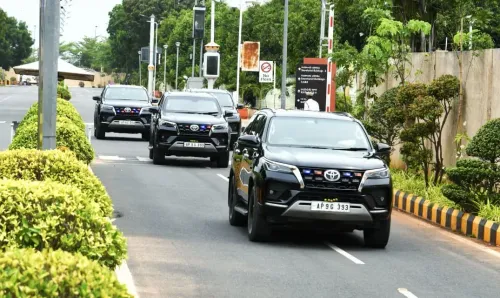
A 'No Vehicle Friday' will be observed weekly by public representatives and officials; convoy sizes will be reduced.
Future government vehicle purchases will be restricted to electric vehicles only ; fuel consumption limits for existing official vehicles will be tightened.
The state flagged risks to agricultural exports — including bananas and food grains — from the West Asia conflict.
Naidu urged citizens to voluntarily cut gold purchases , citing India's annual import of hundreds of tonnes as a foreign exchange drain.
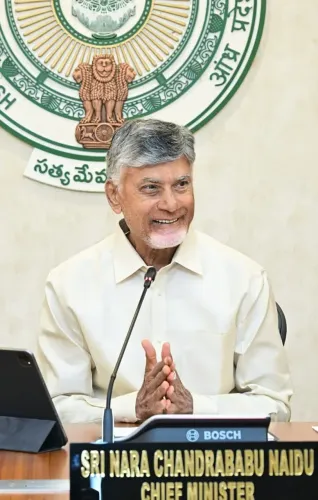
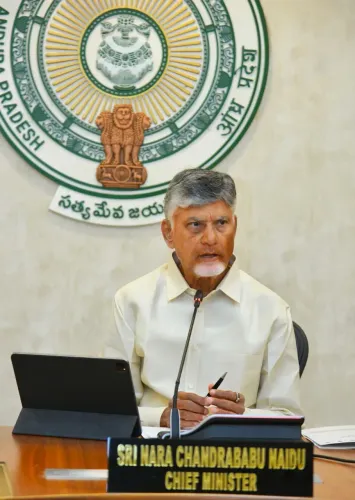
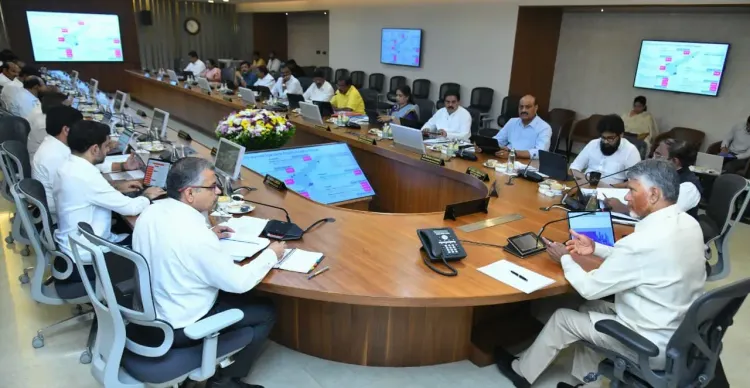
The Andhra Pradesh government has decided to examine the feasibility of allowing government employees to work from home for two days a week as part of a broader austerity drive triggered by the ongoing conflict in West Asia. The decision emerged from a State Cabinet meeting held in Amaravati on 14 May, chaired by Chief Minister N. Chandrababu Naidu.
Key Decisions from the Cabinet Meeting
Chief Minister Naidu directed officials to assess whether select wings of government departments could operationally support a two-day-a-week work-from-home arrangement. The move is framed as part of a response to Prime Minister Narendra Modi's call for national austerity in the face of geopolitical pressures. Under the state's 'My Country, My Responsibility' initiative, public representatives and government officials will voluntarily trim vehicle convoys, shift meetings to virtual formats, and observe a 'No Vehicle Friday' every week.
Minister for Information and Public Relations Kolusu Parthasarathy briefed the media on the Cabinet's decisions, confirming that these measures would be rolled out across every government department in the state.
Fuel, Foreign Exchange, and Trade Concerns
The Cabinet noted that the West Asia conflict poses a direct risk to India's foreign exchange reserves through elevated import bills for oil, gas, and urea. Reducing fuel consumption was identified as a key lever, with directives to cap fuel usage for official vehicles and mandate the purchase of only electric vehicles (EVs) in future government procurements.
The conflict was also flagged as a potential threat to Andhra Pradesh's agricultural exports, including bananas, food grains, and horticultural produce — commodities that pass through or are priced against West Asian trade routes. The Cabinet stressed that minimising imports and facilitating farm exports would help cushion the state's economy.
Lifestyle Austerity: Cycling, Walking, and Domestic Tourism
The Cabinet suggested that ministers and officials cycle to the Secretariat once a week, arguing this would inspire public participation. Citizens were encouraged to adopt walking and cycling for short distances, and educational institutions across the state were advised to observe 'No Vehicle Days' twice a week, with incentives linked to expanding EV charging infrastructure.
Chief Minister Naidu also appealed to citizens to reduce foreign travel and instead explore domestic destinations during summer and other holidays, and to prioritise Indian-made goods over imported products.
Gold Purchases and Foreign Reserve Drain
In a notable appeal, Naidu urged the public to voluntarily curtail gold purchases, pointing out that India imports hundreds of tonnes of gold annually — a significant drain on foreign exchange reserves. The Chief Minister framed restraint in gold buying as a civic duty during the current global uncertainty.
What Comes Next
Extensive public awareness campaigns are planned to sensitise citizens about the austerity initiative. The police have been directed to prevent vehicles from idling in traffic for extended periods. The feasibility report on the two-day work-from-home proposal is expected to shape the next phase of the state government's austerity roadmap. Whether the WFH model will be extended beyond select departments remains to be seen.
Point of View
While not immune to oil-price shocks, are at historically comfortable levels, which raises the question of whether this is genuine crisis management or an opportunity to push long-pending green-mobility goals under a more urgent banner. The agricultural export concern, however, is real: Andhra Pradesh's horticultural supply chains do have exposure to Gulf markets, and that thread deserves more policy detail than a Cabinet note.
NationPress
16 Sept 2026
Frequently Asked Questions
Why is Andhra Pradesh considering work-from-home for government employees?
The Andhra Pradesh government is examining a two-day-a-week WFH arrangement for select government department wings as part of austerity measures linked to the ongoing West Asia conflict. Chief Minister N. Chandrababu Naidu framed the move as a response to both the geopolitical situation and Prime Minister Modi's call for national austerity to conserve fuel and foreign exchange.
What is the 'No Vehicle Friday' initiative announced by Andhra Pradesh?
'No Vehicle Friday' is a weekly observance under the state's 'My Country, My Responsibility' initiative, under which public representatives and officials will refrain from using vehicles on Fridays. It is part of a broader package that also includes smaller convoys, virtual meetings, and encouraging cycling and walking for short distances.
How does the West Asia conflict affect Andhra Pradesh's economy?
According to the Cabinet, the conflict poses risks to the state's agricultural exports — including bananas, food grains, and horticultural produce — which have exposure to Gulf trade routes. It also contributes to higher import costs for oil, gas, and urea, putting pressure on India's foreign exchange reserves.
What are Andhra Pradesh's new rules on government vehicle purchases?
The state government has decided that all future government vehicle procurements will be restricted to electric vehicles only. Existing official vehicles will also be subject to minimum fuel consumption limits as part of the austerity drive.
Why did CM Naidu ask citizens to reduce gold purchases?
Chief Minister Naidu pointed out that India imports hundreds of tonnes of gold annually, which significantly depletes the country's foreign exchange reserves. He appealed for voluntary restraint in gold buying as a civic measure to protect reserves during the current period of global geopolitical uncertainty.