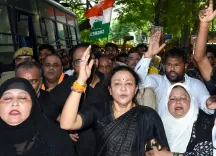
CJP founder Dipke, Ranka, Das detained at Delhi airport before Jantar Mantar protest
Synopsis
Delhi Police boarded a flight at IGI Airport to detain CJP founder Abhijeet Dipke and two colleagues before they could lead a protest against Chief Election Commissioner Gyanesh Kumar over alleged electoral roll irregularities. The same morning, YouTuber Dhruv Rathee was detained in Gurugram. Metro stations were shut and drone surveillance deployed — a sweeping pre-emptive crackdown that itself became the story.
Key Takeaways
CJP founder Abhijeet Dipke and members Saurav Das and Ashutosh Ranka were detained by Delhi Police aboard their aircraft at IGI Airport on 10 October 2026 .
The protest was planned at Jantar Mantar against Chief Election Commissioner Gyanesh Kumar over alleged irregularities in the Special Intensive Revision (SIR) of electoral rolls.
YouTuber Dhruv Rathee was separately detained from his Gurugram residence by Gurugram Police the same morning.
Delhi Metro stations including Supreme Court and Mandi House were closed; drone surveillance and border vehicle checks were activated.
Security was also tightened at the residences of CEC Gyanesh Kumar and Leader of Opposition Rahul Gandhi .
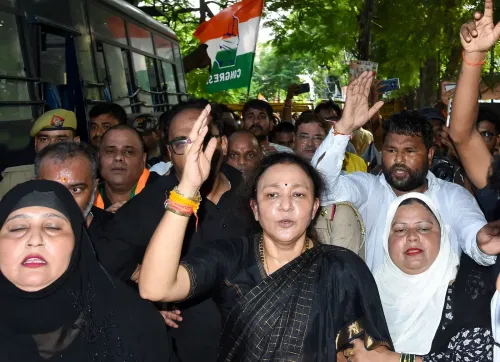
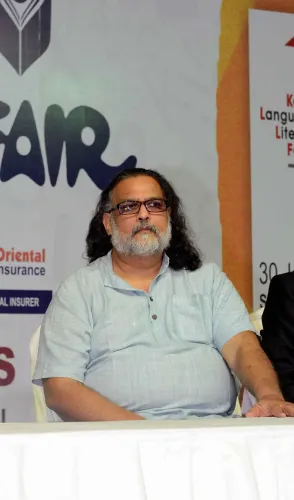
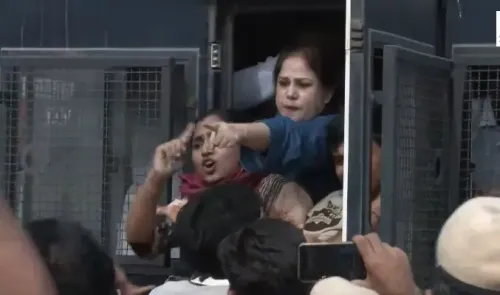
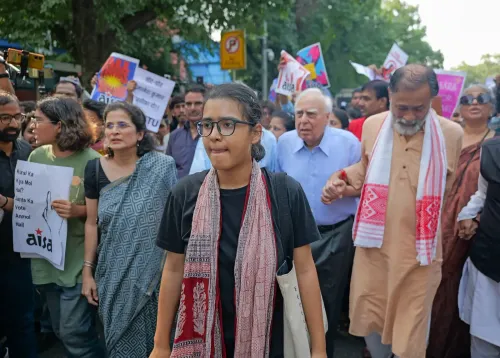
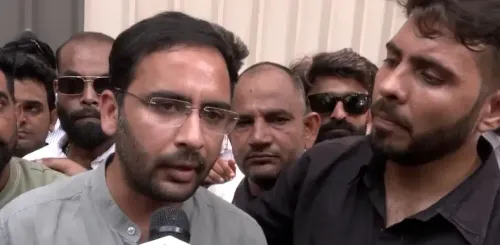
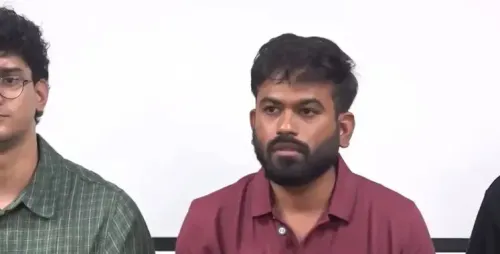
Cockroach Janta Party (CJP) founder Abhijeet Dipke and two other CJP members, Saurav Das and Ashutosh Ranka, were detained by Delhi Police on board their aircraft at Indira Gandhi International (IGI) Airport on Saturday, 10 October 2026, before they could proceed to a planned protest at Jantar Mantar. The detentions came hours ahead of a CJP-organised demonstration against Chief Election Commissioner (CEC) Gyanesh Kumar over alleged irregularities in the Special Intensive Revision (SIR) of electoral rolls across the country.
Detained on the Tarmac
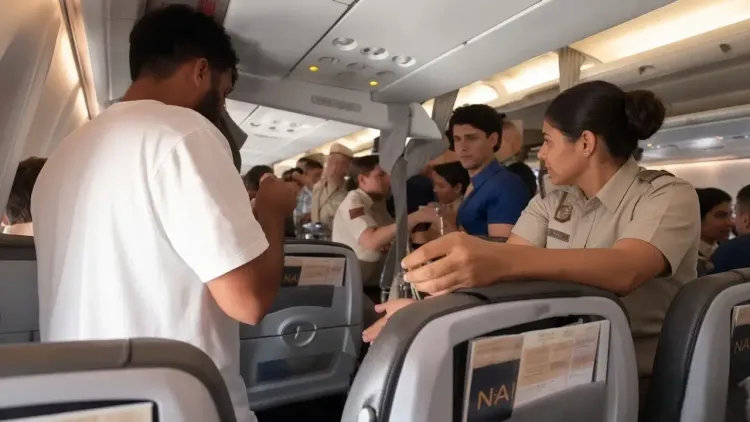
Delhi Police personnel boarded the aircraft carrying Dipke shortly after it touched down at IGI Airport, detaining all three individuals before they could disembark. Dipke, who had flown in from Mumbai earlier that morning to lead the protest, recorded and shared a video of the police team entering the aircraft. In footage circulated on his social media handle, Dipke could be heard telling the officers, '...I have come here to be arrested; arrest me.'
The CJP swiftly confirmed the arrests on its own social media handle, posting: 'Abhijeet Dipke DETAINED! Saurav Das DETAINED! Ashutosh Ranka DETAINED!'
Dhruv Rathee Also Detained in Gurugram
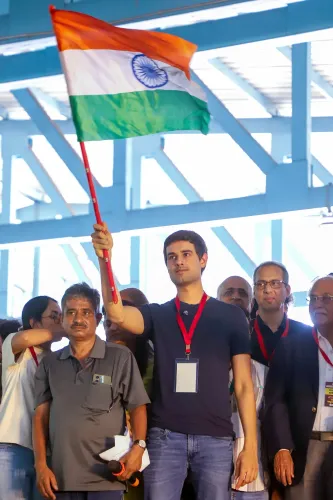
In a separate but related development, popular YouTuber Dhruv Rathee was detained from his residence in Gurugram by Gurugram Police early on Saturday, also ahead of the Jantar Mantar protest. Rathee had participated in a protest against the SIR of electoral rolls in Bengaluru on Thursday. His detention signals a broader pre-emptive security operation targeting key figures associated with the planned demonstration.
Heavy Security Clampdown Across Delhi
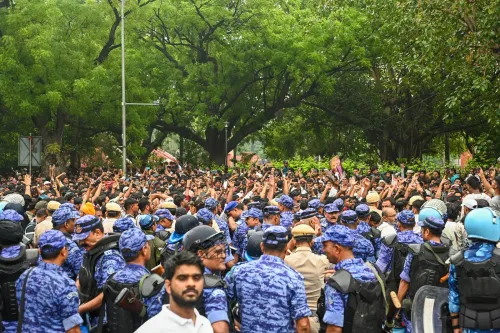
Authorities placed the national capital on high alert ahead of the protest. Delhi Police deployed personnel equipped with body cameras at demonstration sites and strengthened security arrangements at the residences of CEC Gyanesh Kumar and Leader of the Opposition in the Lok Sabha, Rahul Gandhi. Vehicles were being checked at Delhi's border entry points, and drone surveillance was activated at key locations across the city.
Several Delhi Metro stations, including Supreme Court and Mandi House, were closed as part of the sweeping security measures. This is not the first time large-scale security deployments have preceded opposition-aligned protests in the capital; such measures have become increasingly common in the lead-up to politically sensitive demonstrations.
What the Protest Was About
The CJP protest was directed at CEC Gyanesh Kumar over what the group describes as irregularities in the ongoing Special Intensive Revision (SIR) of electoral rolls. Critics argue the SIR process, if conducted without adequate safeguards, risks disenfranchising eligible voters. The Election Commission of India has not publicly responded to the specific allegations raised by the CJP.
With three key organisers detained before the demonstration could begin, it remains to be seen how the protest unfolds and whether the broader civil society coalition that had planned to participate will attempt to regroup.
Point of View
Not the protest, became the headline. The closure of Metro stations and drone deployment for a single civil society demonstration also raises proportionality questions that authorities have not addressed publicly. The underlying grievance — alleged irregularities in the SIR of electoral rolls — remains unaddressed by the Election Commission, meaning the political pressure that produced this protest is unlikely to dissipate with the detention of its organisers.
NationPress
10 Oct 2026
Frequently Asked Questions
Why were Abhijeet Dipke and other CJP members detained at Delhi airport?
Abhijeet Dipke, Saurav Das, and Ashutosh Ranka were detained by Delhi Police on 10 October 2026 to prevent them from leading a planned protest at Jantar Mantar against Chief Election Commissioner Gyanesh Kumar. The protest was organised over alleged irregularities in the Special Intensive Revision of electoral rolls.
What is the CJP's protest about?
The Cockroach Janta Party organised the Jantar Mantar demonstration to protest against Chief Election Commissioner Gyanesh Kumar over alleged irregularities in the Special Intensive Revision (SIR) of electoral rolls. Critics argue the SIR process risks disenfranchising eligible voters if not conducted with adequate oversight.
Why was Dhruv Rathee detained?
YouTuber Dhruv Rathee was detained from his Gurugram residence by Gurugram Police on 10 October 2026 ahead of the Jantar Mantar protest. He had previously attended a protest against the SIR of electoral rolls in Bengaluru on Thursday.
What security measures were deployed in Delhi ahead of the protest?
Delhi Police placed the capital on high alert, deploying body-camera-equipped personnel, conducting vehicle checks at Delhi's border points, activating drone surveillance, and closing several Metro stations including Supreme Court and Mandi House. Security was also strengthened at the residences of CEC Gyanesh Kumar and Leader of Opposition Rahul Gandhi.
What is the Special Intensive Revision (SIR) of electoral rolls?
The Special Intensive Revision (SIR) is an Election Commission of India exercise to update and revise voter rolls across constituencies. Critics, including the CJP, have alleged that the current round of SIR contains irregularities that could affect voter eligibility.