Clean Plant Centre at Mukteshwar, ₹4 Cr Nursery Aid: Centre
Synopsis
The Uttarakhand CMO has shared a central government announcement to build a ₹100 crore Clean Plant Centre at Mukteshwar for apple, walnut and almond production, with nursery subsidies of up to ₹4 crore for large operators and ₹2 crore for small ones.
Key Takeaways
A Clean Plant Centre will be established at Mukteshwar, Uttarakhand at a cost of ₹100 crore to produce certified fruit plants.
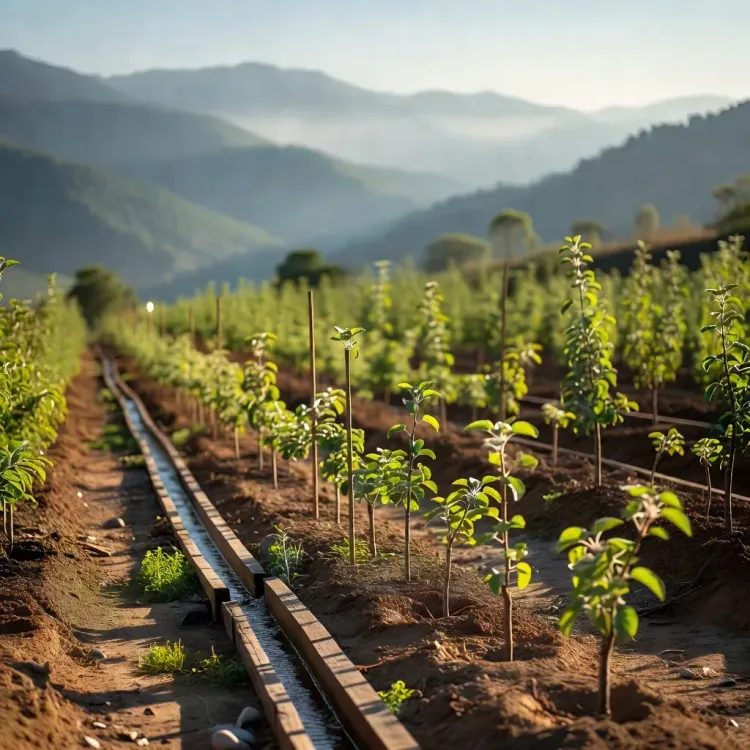
The centre will focus on apple, walnut and almond — key temperate-zone crops of Uttarakhand's hill districts.
Entrepreneurs setting up large nurseries will receive financial assistance of up to ₹4 crore ; those setting up small nurseries up to ₹2 crore .
Mukteshwar, located in Nainital district , has a temperate climate naturally suited to these fruit varieties.
The initiative aligns with the national push for disease-free, certified planting material that dates to the National Horticulture Mission of 2005-06 .
The rollout timeline and nursery subsidy selection criteria are yet to be finalised in state action plans.
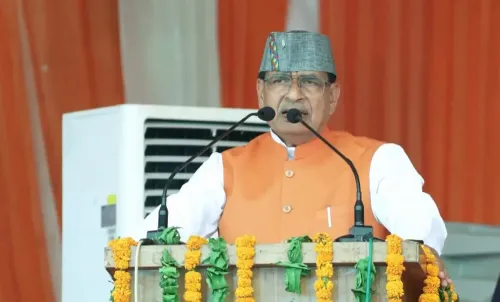
The Chief Minister's Office of Uttarakhand on Friday, 26 June 2026 shared details of a central government announcement to establish a Clean Plant Centre at Mukteshwar at a cost of ₹100 crore, aimed at producing high-quality fruit plants including apple, walnut and almond for hill horticulture farmers in the state.
Context
A Union minister, speaking at an event whose details were shared by the CMO, stated that the facility at Mukteshwar — a temperate hill town in Nainital district, Uttarakhand — will serve as a hub for disease-free, certified planting material. The post quoted the minister as saying: 'सेब, अखरोट एवं बादाम सहित उच्च गुणवत्ता वाले फलदार पौधों के उत्पादन हेतु मुक्तेश्वर में ₹100 करोड़ की लागत से क्लीन प्लांट सेंटर स्थापित किया जाएगा' — ('A Clean Plant Centre will be established at Mukteshwar at a cost of ₹100 crore for the production of high-quality fruit plants including apple, walnut and almond.')
Alongside the centre, the announcement outlined direct financial support for nursery entrepreneurs: those setting up large nurseries will receive assistance of up to ₹4 crore, while those establishing small nurseries will be eligible for up to ₹2 crore.
Policy Backdrop
The announcement fits within a long-standing national push to strengthen planting-material infrastructure in India's hill states. The National Horticulture Mission, launched in 2005-06, first prioritised the creation of quality nurseries and certified mother-plant blocks across states, with temperate fruit zones in Uttarakhand among the primary beneficiaries.
The Ministry of Agriculture and Farmers Welfare has consistently channelled funds toward disease-free planting programmes, recognising that infected or substandard nursery stock is a leading cause of low yields in apple and nut orchards. A dedicated Clean Plant Centre of this scale would represent a significant upgrade in certified-stock capacity for the region.
Stakeholders and Impact
Horticulture farmers across Uttarakhand's temperate belt — particularly in districts such as Nainital, Chamoli and Uttarkashi — stand to benefit from access to certified, virus-indexed planting material, which can substantially reduce crop losses and improve orchard productivity. The nursery subsidy scheme is designed to incentivise private entrepreneurs to scale up certified-stock production alongside the government facility.
Nursery entrepreneurs, a critical but often under-capitalised link in the horticulture supply chain, would gain access to structured financial support that could lower the entry barrier for establishing compliant, large-scale nursery operations in the hills.
What's Next
Key details to watch include the phased rollout timeline for the Mukteshwar Clean Plant Centre and the finalisation of eligibility and selection criteria for the ₹2 crore and ₹4 crore nursery subsidies in state action plans. The state government's ability to operationalise the centre swiftly and disburse nursery support efficiently will determine how quickly hill horticulture farmers feel the impact on the ground.
Point of View
The policy attempts to crowd in entrepreneurial capital alongside government infrastructure, a model that has gained traction in national horticulture planning. For Uttarakhand, where apple and nut cultivation underpin rural livelihoods across several districts, the success of this initiative will hinge on how quickly the centre becomes operational and how transparently the nursery subsidy criteria are drawn up. The announcement also reflects a broader pattern of the Centre using targeted infrastructure grants to deepen its presence in hill-state agriculture ahead of the next cycle of scheme renewals.
NationPress
26 Jun 2026
Frequently Asked Questions
What is a Clean Plant Centre and why is one being set up at Mukteshwar?
A Clean Plant Centre produces certified, virus-indexed and disease-free planting material to ensure farmers receive healthy stock. Mukteshwar in Nainital district has been chosen because its temperate climate is well-suited to apple, walnut and almond cultivation, making it an ideal base for producing quality fruit plants for Uttarakhand's hill farmers.
How much money will be given to nursery owners under this scheme?
Entrepreneurs setting up large nurseries will receive financial assistance of up to ₹4 crore, while those establishing small nurseries will be eligible for up to ₹2 crore under the announced support framework.
Which fruits will the Mukteshwar Clean Plant Centre focus on?
The centre will focus on producing high-quality planting material for apple, walnut and almond — three key temperate-zone fruit crops grown widely across Uttarakhand's hill districts.
What is the total cost of the Mukteshwar Clean Plant Centre?
The Clean Plant Centre at Mukteshwar will be established at a cost of ₹100 crore, as announced by a Union minister and shared by the Chief Minister's Office of Uttarakhand.
Who will benefit from the Mukteshwar horticulture centre and nursery subsidies?
Horticulture farmers in Uttarakhand's temperate belt will benefit from access to certified fruit plants, while nursery entrepreneurs across the state stand to gain from the ₹2 crore to ₹4 crore financial support for setting up compliant nursery operations.