Islam is practical, not virtual: Cleric rebukes Nitish Rane over Bakrid remarks
Synopsis
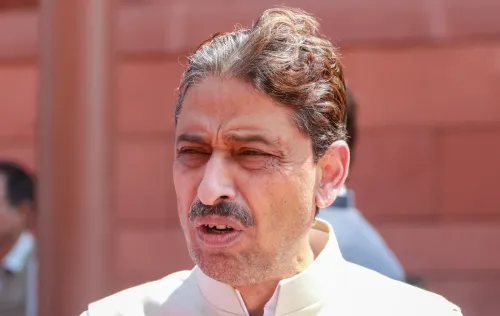
Maharashtra Minister Nitish Rane's suggestion of a 'virtual Bakrid' — complete with a computer image of a goat — has drawn a pointed rebuttal from the All India Muslim Jamaat, whose president called the idea fundamentally incompatible with Islamic practice and accused Rane of ignorance about madrasas and their role in India's independence movement.
Key Takeaways
Maulana Shahabuddin Razvi Barelvi of the All India Muslim Jamaat condemned Maharashtra Minister Nitish Rane's 'virtual Qurbani' suggestion on Monday, 25 May .
Rane had proposed Muslims mark Bakrid by displaying a goat's image on a computer rather than performing physical sacrifice.
Maulana Barelvi stated: 'There is nothing like virtual in Islam; it only talks about the practical.' Rane also called madrasas 'centres of terrorism'; Barelvi countered that Ulemas from madrasas played a key role in India's freedom movement from 1857 to 1947 .
The cleric urged Rane to study Islamic history before making public statements on the religion.
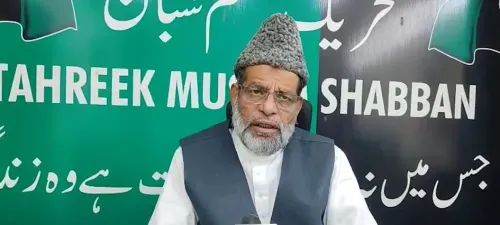
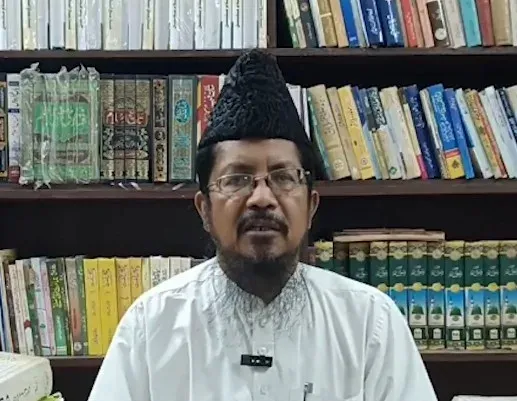
Maulana Shahabuddin Razvi Barelvi, National President of the All India Muslim Jamaat, on Monday sharply criticised Maharashtra Minister Nitish Rane over his suggestion that Muslims celebrate 'virtual Qurbani' during Bakrid, asserting that Islam is a practical religion with no room for symbolic substitutes. The cleric, speaking from Bareilly, accused Rane of ignorance about Islamic traditions and the historical role of madrasas in India.
What Nitish Rane Said
The controversy began on Sunday when Rane, addressing a public event, drew a comparison between environmental advisories issued during Hindu festivals and the practice of animal sacrifice during Bakrid. 'In our Holi festival, it is said that Holi should be celebrated as per the environment, celebrate dry Holi… In the Diwali celebration, they say do not burst crackers… They should advise people to celebrate virtual Bakrid by putting a picture of a goat on the computer and virtually showing it being sacrificed,' Rane said. The Maharashtra minister also renewed his criticism of madrasas, alleging that such institutions were 'centres of terrorism' that provided no meaningful education.
The Cleric's Rebuttal
Maulana Barelvi rejected the 'virtual sacrifice' concept outright, stating that Islamic practice is grounded in physical observance and religious principle. 'There is nothing like virtual in Islam; it only talks about the practical. Islam has its principles, which are followed by the followers of Islam,' he said. He further emphasised that the tradition of Qurbani is an enduring pillar of Islamic practice: 'Qurbani has always been performed and will always be performed in future.'
Defence of Madrasas
Responding to Rane's characterisation of madrasas as hubs of radicalisation, Maulana Barelvi invoked India's independence movement as evidence of their constructive legacy. 'Nitish Rane says that madrasas are the centre of terrorism. This shows that Nitish Rane is ignorant and he does not have any knowledge about Islam or madrasas. I would like to tell him that the freedom movement from 1857 to 1947 was fought by the Ulemas and people from madrasas,' he said. The cleric advised Rane to study Islamic history before making public statements on the subject.
Broader Context
The exchange is the latest in a series of politically charged statements around religious practices and minority institutions ahead of the Bakrid celebrations. Rane has previously drawn criticism from Muslim community leaders for remarks on Islamic observances. Notably, debates over animal sacrifice during Eid al-Adha have periodically surfaced in Indian political discourse, often intersecting with environmental concerns and communal sensitivities. The All India Muslim Jamaat's response signals that community leaders intend to push back firmly against what they describe as misinformed commentary from elected officials.
With Bakrid approaching, the political temperature around the issue is likely to remain elevated, and further reactions from community organisations and political parties are expected in the coming days.
Point of View
Historically grounded response. What is striking is the cleric's pivot to the independence movement: invoking 1857 reframes the madrasa debate from a security question to a nationalist one, directly challenging the BJP's monopoly on patriotic narrative. Whether mainstream political parties pick up that thread — or quietly let the exchange fade — will indicate how far the conversation is allowed to travel before the next election cycle.
NationPress
9 Oct 2026
Frequently Asked Questions
What did Nitish Rane say about Bakrid?
Maharashtra Minister Nitish Rane suggested that Muslims should celebrate 'virtual Bakrid' by placing a picture of a goat on a computer and symbolically showing it being sacrificed, drawing a parallel with environmental advisories issued during Hindu festivals like Holi and Diwali.
Why did Maulana Barelvi reject the idea of 'virtual Qurbani'?
Maulana Shahabuddin Razvi Barelvi, National President of the All India Muslim Jamaat, said there is no concept of 'virtual' observance in Islam, which is a practical religion governed by established religious principles. He affirmed that the tradition of Qurbani has always been performed and will continue to be.
What did Nitish Rane say about madrasas?
Rane alleged that madrasas are 'centres of terrorism' that do not provide any meaningful education — a claim he said he has made repeatedly. The remarks drew sharp criticism from Maulana Barelvi, who called them a reflection of ignorance.
How did the cleric defend madrasas?
Maulana Barelvi cited the role of Ulemas and madrasa-educated individuals in India's independence movement from 1857 to 1947, arguing that the institutions have a historically constructive and patriotic legacy that Rane appears unaware of.
Who is Maulana Shahabuddin Razvi Barelvi?
Maulana Shahabuddin Razvi Barelvi is the National President of the All India Muslim Jamaat, a prominent Islamic organisation based in Bareilly, Uttar Pradesh. He is a recognised cleric who frequently comments on issues affecting the Muslim community in India.