Bengaluru murder: Clothing tag cracks case of Odisha woman strangled by husband

Synopsis
A clothing tag on a decomposed body cracked a Bengaluru murder case wide open. Odisha woman Anusuya, 28, was allegedly strangled by her husband on 11 August, her body dumped at a vacant site and discovered only because a government clean-up rule sent workers to clear the plot — turning routine civic compliance into a key investigative break.
Key Takeaways
Sagar Chandra Rawat, 32 , was arrested for allegedly strangling his wife Anusuya, 28 , on 11 August in MS Nagar Agrahara Layout, Bengaluru .
Rawat allegedly kept the body at home for three days before dumping it at a vacant site wrapped in a mattress.
The body was found on 2 September by sanitation workers acting under a government vacant-site cleaning rule.
A clothing tag bearing a mall's name and its linked purchase bill enabled police to identify the badly decomposed victim.
Rawat was arrested nearly 20 days after the alleged murder; the investigation is ongoing.
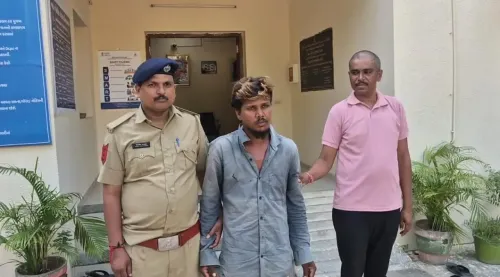
A Bengaluru murder case has been solved after a clothing tag found on a decomposed body led Sampigehalli police to identify an Odisha woman allegedly strangled by her husband in MS Nagar Agrahara Layout. The accused, Sagar Chandra Rawat, 32, was arrested nearly 20 days after the alleged killing, police said on Saturday, 26 September 2026.
How the Body Was Discovered
The case broke open on 2 September when sanitation workers cleaning a vacant plot in the area — acting under a government rule mandating owners to maintain empty sites — noticed a mattress tied with ropes. A foul odour prompted the workers to alert police, who arrived and found the badly decomposed body of a woman inside the mattress. According to police, the body had reportedly been partially eaten by stray dogs.
The Clothing Tag That Cracked the Case
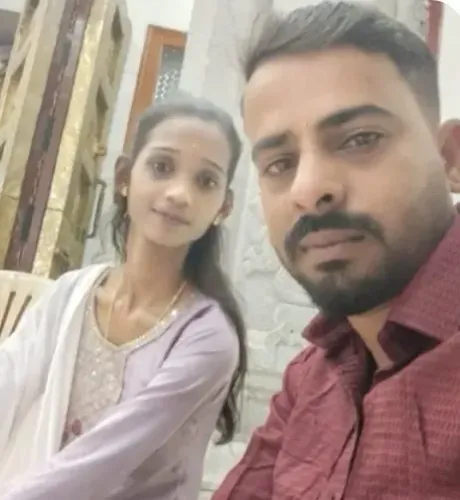
Because of the advanced state of decomposition, investigators initially struggled to establish the victim's identity. A breakthrough came when officers found a clothing tag bearing the name of a mall on the body. Using details from the tag and a linked purchase bill, police were able to trace and confirm the victim as Anusuya, 28, also from Odisha and Rawat's wife. The two had reportedly been in a relationship before marrying, and both worked at different hotels in Bengaluru.
What Led to the Alleged Killing
According to police, the couple had a history of quarrels over financial matters. On 11 August, Anusuya went to Rawat's hotel demanding his salary. The dispute reportedly continued at their home, where Rawat allegedly lost his temper and strangled her to death. He is then said to have remained in the residence with her body for three days before wrapping the body in a mattress and dumping it at the vacant site.
Arrest and Ongoing Probe
Investigators tracked down Rawat and arrested him approximately 20 days after the alleged murder on 11 August. The probe, led by Sampigehalli police, is ongoing. The case also underscores the unintended but significant role that the state government's vacant-site cleaning regulation played in ensuring the body was found at all — without the mandated clean-up, the crime may have gone undiscovered for considerably longer.
Point of View
It demonstrates how a mundane civic regulation — mandatory vacant-site cleaning — can function as an inadvertent forensic net, surfacing crimes that might otherwise remain buried. Second, the clothing-tag identification method highlights how investigators can work around decomposition-compromised remains using retail paper trails, a technique that will likely be studied in forensic circles. What the case also quietly surfaces is the vulnerability of migrant couples in urban India: far from family networks, financial disputes often escalate without a social buffer, and deaths go unreported for weeks. That structural gap deserves as much attention as the investigation itself.
NationPress
26 Sept 2026
Frequently Asked Questions
Who was killed in the Bengaluru MS Nagar Agrahara Layout murder case?
The victim was Anusuya, 28 , an Odisha woman living in Bengaluru. She was allegedly strangled to death by her husband, Sagar Chandra Rawat, 32 , on 11 August following a financial dispute.
How did police identify the decomposed body?
Police found a clothing tag bearing the name of a mall on the body. Using the tag details and an associated purchase bill, investigators were able to trace and confirm the victim's identity despite advanced decomposition.
How was the body discovered?
Sanitation workers cleaning a vacant plot in Bengaluru on 2 September noticed a mattress tied with ropes emitting a foul odour, under a government rule requiring vacant sites to be maintained. Police opened the mattress and found the body inside.
When was Sagar Chandra Rawat arrested?
Rawat was arrested approximately 20 days after the alleged murder on 11 August . The case is still under investigation by Sampigehalli police .
What was the motive behind the alleged killing?
According to police, the couple frequently quarrelled over financial matters. On the day of the incident, Anusuya went to Rawat's hotel demanding his salary, the argument continued at home, and Rawat allegedly strangled her during the altercation.