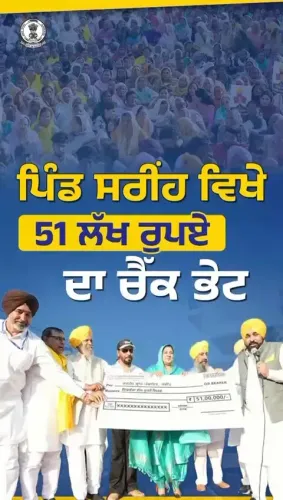
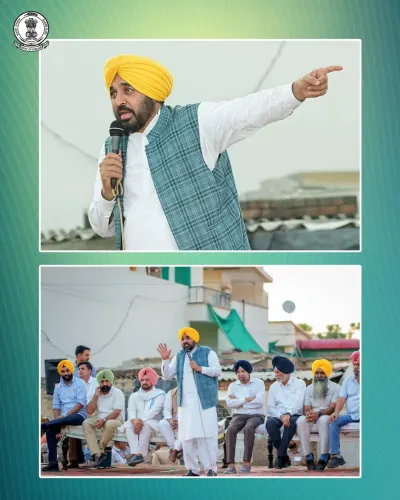
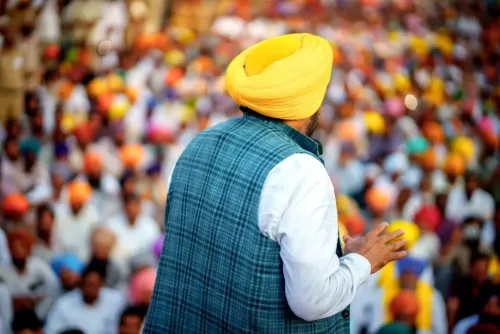
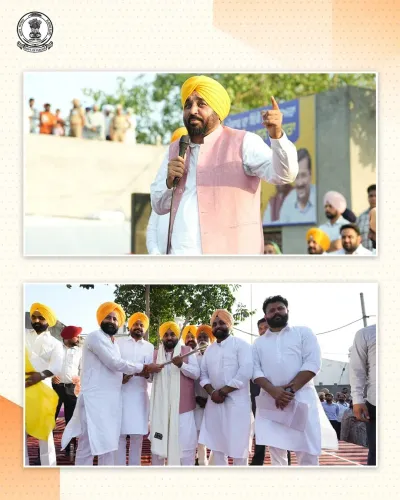
CM Bhagwant Mann hands ₹51 lakh to Mauran village panchayat
Synopsis
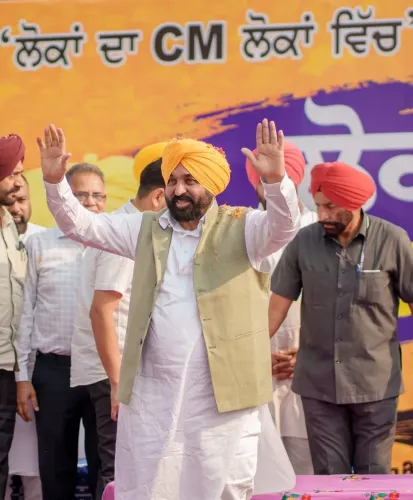
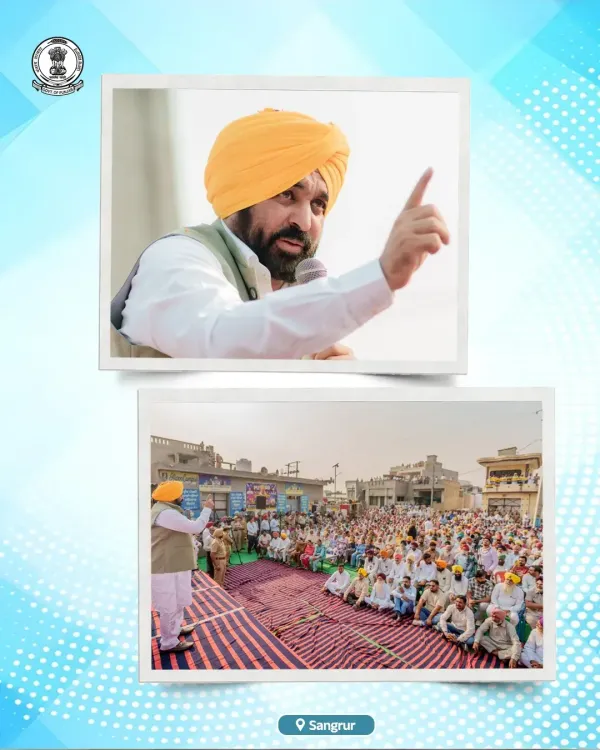
Punjab Chief Minister Bhagwant Mann attended a 'Lok Milni' public interaction programme at Mauran village in Sangrur district on 31 October 2026, handing over a ₹51 lakh cheque to the village panchayat for local developmental works.
Key Takeaways
₹51 lakh was disbursed directly to the Mauran village panchayat in Sangrur district for developmental works.
CM Bhagwant Mann personally presented the cheque at a Lok Milni public outreach event on 31 October 2026 .
The Lok Milni format brings the Chief Minister to village level, allowing direct citizen interaction and on-the-spot fund disbursements.
The grant aligns with the AAP government's post-2022 policy of channelling increased direct funding to village panchayats across Punjab.
The Mauran panchayat will be required to submit utilisation certificates after completing development works.
A cheque worth ₹51 lakh changed hands in Mauran village, Sangrur district on Saturday, 31 October 2026 — and for the residents gathered at the 'Lok Milni' programme, it represented something more immediate than a policy headline: a direct government commitment to their streets, drains, and community spaces. Punjab Chief Minister Bhagwant Mann personally delivered the grant to the Mauran village panchayat during the public interaction event, the Chief Minister's Office of Punjab confirmed.
What the 'Lok Milni' format is designed to do
The Lok Milni — literally 'people's meeting' — is a structured public outreach format run by the Punjab Chief Minister's Office to bring elected leadership face-to-face with citizens at the village level. Rather than summoning residents to Chandigarh, the CM travels to the district, hears grievances on the spot, and in many instances disburses development funds directly to local bodies. It is governance-by-presence, and Bhagwant Mann has made it a signature feature of his administration since taking office in March 2022.
₹51 lakh for Mauran: what the panchayat can do with it
The ₹51 lakh grant goes to the elected village panchayat — the constitutionally recognised grassroots body responsible for planning and executing local development works. In a rural Sangrur context, such funds typically cover road repair, drainage infrastructure, community halls, and drinking-water improvements. The panchayat will be expected to file utilisation certificates once the works are completed, providing a paper trail for accountability. How swiftly and effectively Mauran's panchayat deploys the money will be the real measure of the day's announcement.
Sangrur's place in Punjab's rural development map
Sangrur district sits in the agricultural heartland of southern Punjab, with a predominantly rural population and a long history of panchayat-led civic activity. Since 2022, the Aam Aadmi Party government has pushed a policy of increased direct grants to village panchayats — bypassing multiple bureaucratic layers — as part of its rural development agenda. The Mauran disbursement fits squarely within that pattern, even as the broader question of whether accelerated panchayat funding translates into measurable on-ground change remains one that analysts and opposition parties continue to track.
For now, the cheque is signed, the programme is on record, and Mauran village has a mandate to build. The next chapter belongs to the panchayat.
Point of View
Bhagwant Mann reinforces a brand of accessible leadership that has been central to AAP's political identity since its Punjab breakthrough in 2022. However, the real test of such disbursements lies downstream: whether panchayats have the administrative capacity to execute works efficiently and file timely utilisation certificates. As Punjab heads deeper into its term, the gap between announced grants and verifiable on-ground outcomes will increasingly define how this rural outreach strategy is judged.
NationPress
1 Nov 2026
Frequently Asked Questions
What is the Lok Milni programme in Punjab?
Lok Milni is a public interaction programme organised by the Punjab Chief Minister's Office where CM Bhagwant Mann visits villages and districts to meet citizens directly, hear grievances, and disburse development funds to local bodies.
How much money did CM Bhagwant Mann give to Mauran village?
CM Bhagwant Mann handed over a cheque of ₹51 lakh to the Mauran village panchayat in Sangrur district for developmental works during the Lok Milni event on 31 October 2026.
Where is Mauran village located?
Mauran village is located in Sangrur district, in the agricultural heartland of southern Punjab.
What will the ₹51 lakh grant be used for in Mauran village?
The ₹51 lakh has been given to the elected village panchayat for developmental works, which typically include road repair, drainage, drinking-water infrastructure, and community facilities in rural Punjab.
What is the AAP government's policy on village panchayat funding in Punjab?
Since coming to power in March 2022, the AAP-led Punjab government has increased direct grants to village panchayats, aiming to fund local infrastructure and civic works while reducing bureaucratic layers between the state and grassroots bodies.