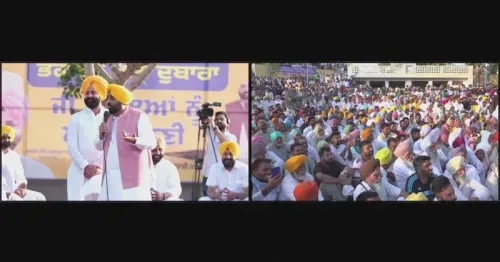
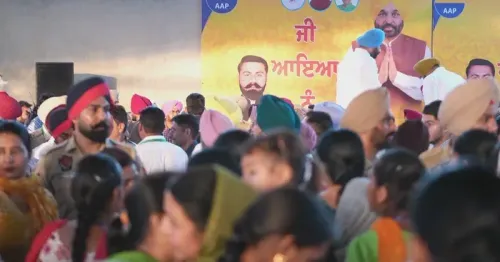
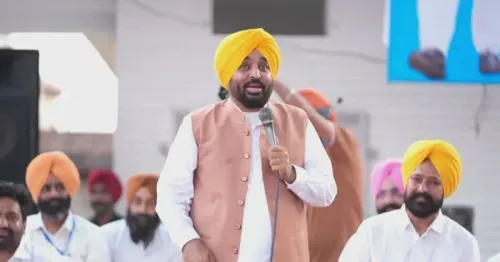
CM Bhagwant Mann holds Lok Milni in Maur, grants ₹50L to Mandi Kalan
Synopsis
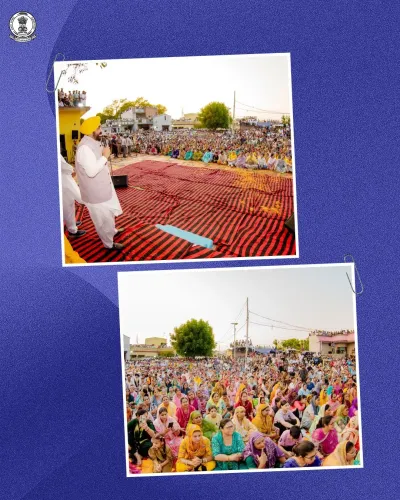
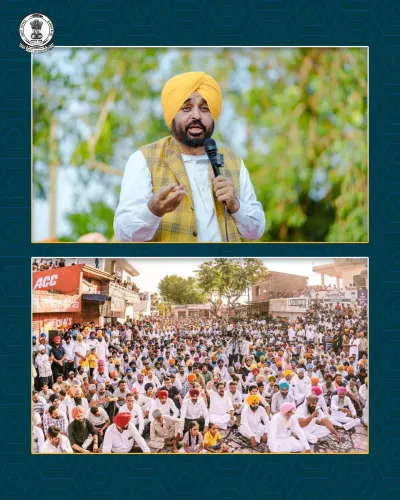
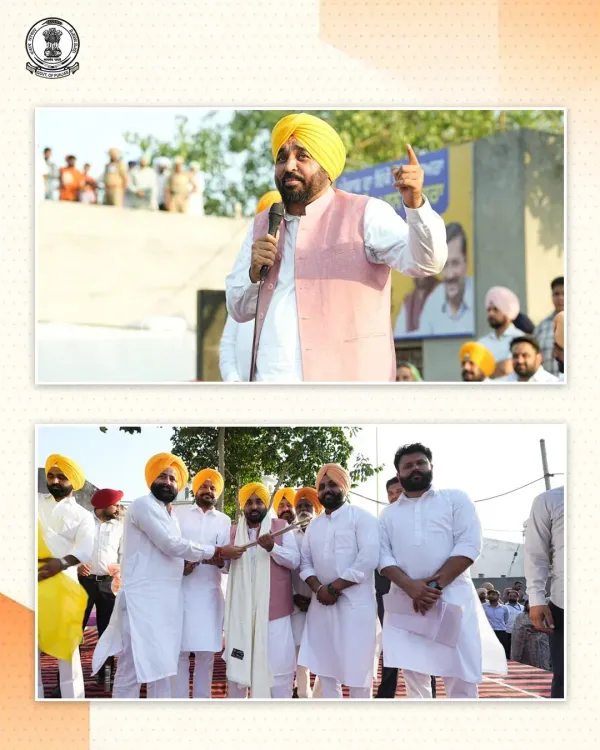
Chief Minister Bhagwant Singh Mann held a Lok Milni at village Mandi Kalan in Punjab's Maur constituency on 24 June 2026, listening to residents' grievances and announcing a ₹50 lakh special grant to accelerate local development works.
Key Takeaways
CM Bhagwant Singh Mann conducted a Lok Milni at village Mandi Kalan , Maur constituency , on 24 June 2026 .
He engaged directly with residents to hear their grievances, demands, and suggestions .
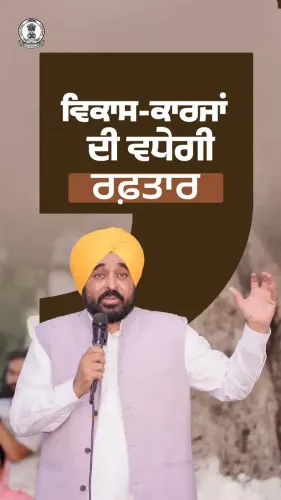
A special grant of ₹50 lakh was announced to accelerate development works in Mandi Kalan.
The Lok Milni format has been a signature outreach mechanism of the AAP government in Punjab since 2022 .
Maur is an assembly constituency in Bathinda district , a predominantly rural region with ongoing infrastructure needs.
The grant follows a pattern of constituency-level disbursements made during previous Lok Milni events across Punjab.
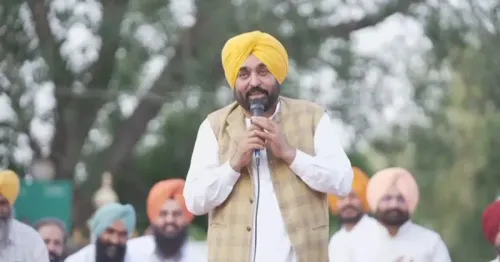
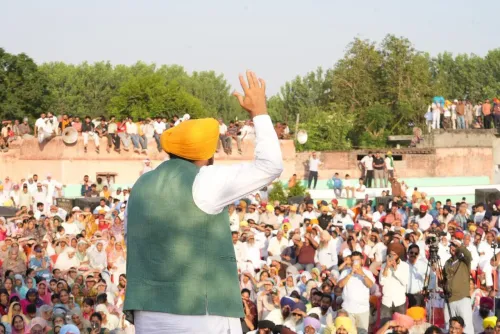
The Chief Minister's Office of Punjab announced on Wednesday, 24 June 2026, that Chief Minister Bhagwant Singh Mann convened a Lok Milni at village Mandi Kalan in the Maur constituency, engaging directly with residents to hear their grievances, demands, and suggestions. On the occasion, he announced a special grant of ₹50 lakh to accelerate development works in the village.
Context
The Lok Milni — literally 'people's meeting' — is a public outreach format institutionalised by the Aam Aadmi Party (AAP) government in Punjab after CM Mann assumed office in March 2022. The format brings the Chief Minister face-to-face with constituents at the village level, bypassing layers of bureaucracy to record grievances on the spot. ਰੂ-ਬ-ਰੂ ('face-to-face'), as the Punjabi post describes the interaction, underscores the direct-access philosophy the administration has championed.
Mandi Kalan is a village in the Maur assembly segment of Bathinda district, a predominantly rural area where infrastructure gaps in roads, water supply, and community facilities remain persistent concerns for local panchayats and residents.
Policy Backdrop
Since 2022, the Punjab government has paired Lok Milni events with targeted special grants as a mechanism for decentralised rural development funding — a deliberate departure from earlier centralised planning models. The approach mirrors outreach practices the party piloted in Delhi, prioritising immediate, locally identified needs over large-scheme allocations.
The ₹50 lakh special grant announced for Mandi Kalan follows a pattern of similar constituency-level disbursements made during previous Lok Milni rounds across Punjab. The funds are intended to fast-track village-level development works, though the specific projects to be covered were not detailed in the official communication.
Stakeholders and Impact
The primary beneficiaries are Mandi Kalan's residents and the local panchayat, which will oversee deployment of the grant. For rural communities in Maur, direct CM visits carry both administrative and symbolic weight — signalling that village-level concerns have reached the highest level of the state government.
Broader stakeholders include panchayati raj institutions across Punjab that watch such grant announcements as indicators of the state's rural development priorities and mid-year budget flexibility. The AAP government has positioned these outreach events as evidence of accountable, ground-up governance ahead of future electoral cycles.
What's Next
The Punjab government is expected to continue Lok Milni sessions across remaining constituencies, with each event potentially accompanied by similar targeted grants. Observers will watch whether mid-year revisions to the state's rural development budget formalise and scale this grant mechanism, or whether disbursements remain ad hoc and event-driven.
The utilisation and outcome of the ₹50 lakh earmarked for Mandi Kalan will be a test case for how effectively village-level funds translate into visible infrastructure improvements — and how the administration communicates those outcomes back to constituents.
Point of View
While modest in absolute terms, carries disproportionate political weight in a village setting where direct state investment is often slow to arrive. This outreach pattern keeps the Chief Minister's brand closely tied to grassroots accessibility, a core AAP electoral proposition. How consistently these grants translate into completed infrastructure will increasingly define whether the Lok Milni format is seen as substantive governance or performative politics.
NationPress
24 Jun 2026
Frequently Asked Questions
What is a Lok Milni in Punjab?
A Lok Milni is a public outreach event where Chief Minister Bhagwant Singh Mann meets residents directly at the village level to hear their grievances, demands, and suggestions. The format was institutionalised by the AAP government in Punjab after 2022 as a mechanism for direct, decentralised citizen engagement.
Where is Mandi Kalan village located?
Mandi Kalan is a village in the Maur assembly constituency, which falls within Bathinda district in Punjab.
How much grant did CM Bhagwant Mann announce for Mandi Kalan?
CM Bhagwant Mann announced a special grant of ₹50 lakh for Mandi Kalan to accelerate development works in the village during the Lok Milni held on 24 June 2026.
What is the Maur constituency?
Maur is a rural assembly constituency in Bathinda district, Punjab. It has been among the segments targeted by the Punjab government for direct CM engagement and village-level development grants.
How often does CM Bhagwant Mann hold Lok Milni events?
Since assuming office in March 2022, CM Bhagwant Mann has conducted multiple Lok Milni sessions across various constituencies in Punjab. The frequency and schedule of future events have not been officially fixed, but the format has been a recurring feature of the AAP government's outreach calendar.