CM Bhagwant Mann Lists Punjab's Ground-Level Welfare Wins
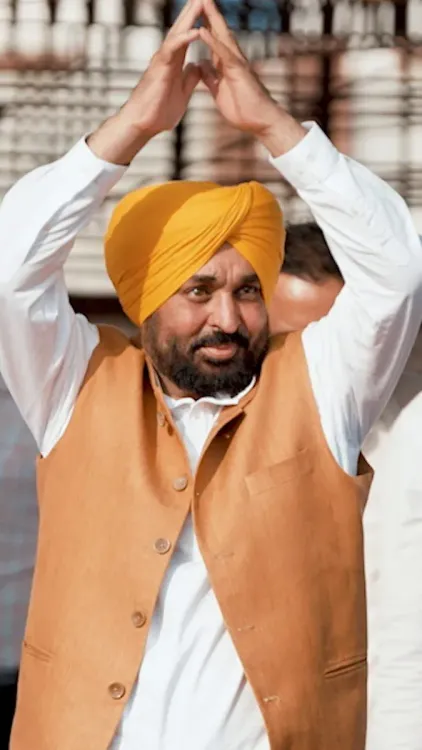
Synopsis
Punjab Chief Minister Bhagwant Mann highlighted ground-level delivery of free electricity, canal irrigation, Satkar Yojana for women, and Aam Aadmi Clinics as evidence of his government's welfare record, calling it a victory of public trust over mere promises.
Key Takeaways
Bhagwant Mann posted on 21 November 2026 citing tangible welfare delivery as proof of governance, not just promises.
Free electricity for every household and canal water for farmers were core AAP 2022 election pledges now cited as delivered.
The Satkar Yojana is highlighted as the government's key welfare scheme targeting women.
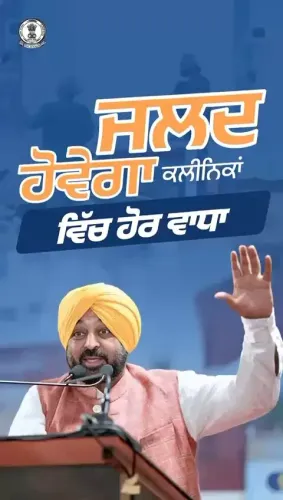
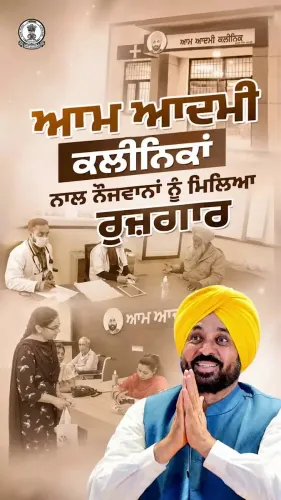
Aam Aadmi Clinics and health cards form the primary-healthcare backbone of AAP's Punjab model, providing free diagnostics and medicines.
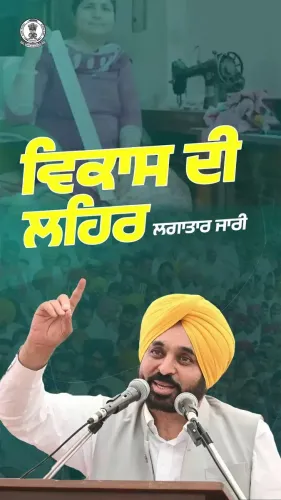
Mann framed progress in education, sports, employment, and development as a 'wave' validating public trust in the government.
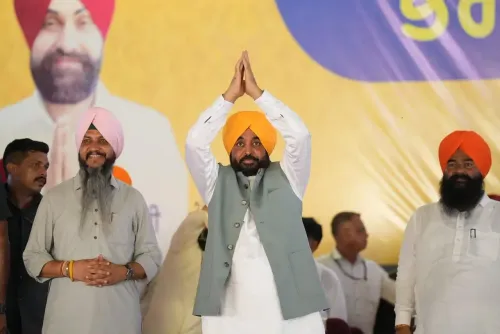
People do not count promises — they count what lands at their doorstep. On Saturday, 21 November 2026, Punjab Chief Minister Bhagwant Mann made exactly that argument, posting a sweeping account of his government's welfare delivery and framing it as a vindication of public trust rather than a political claim.
Writing in Punjabi, Mann declared: 'ਜਨਤਾ ਸਿਰਫ਼ ਦਾਅਵੇ ਨਹੀਂ, ਸਗੋਂ ਜ਼ਮੀਨੀ ਪੱਧਰ 'ਤੇ ਹੋਇਆ ਕੰਮ ਦੇਖਦੀ ਹੈ' — 'The public sees not just claims, but work done on the ground.' He listed four delivery pillars: free electricity to every household, canal irrigation water reaching farms, the Satkar Yojana for women's welfare, and free treatment through Aam Aadmi Clinics and health cards.
From Manifesto to Doorstep: What the AAP Promised in 2022
When the Aam Aadmi Party swept Punjab's 2022 assembly elections, its manifesto carried specific, testable commitments: 300 units of free electricity per month for households, canal water for farmers, and a network of neighbourhood clinics modelled on its Delhi-era mohalla clinics. The pitch was deliberately concrete — not aspiration but arithmetic.
The Aam Aadmi Clinics programme began rolling out across Punjab districts from mid-2022, providing free diagnostics and medicines at the primary-care level. The Satkar Yojana was introduced as a women-focused welfare scheme. Mann's post on Saturday is essentially a check-in against that original list — his government's argument that the ledger has been squared.
The 'Wave of Progress' Framing — and Why It Matters Now
Mann used the phrase 'ਵਿਕਾਸ ਦੀ ਲਹਿਰ' — 'wave of progress' — to describe momentum across education, sports, employment and infrastructure. The choice of language is pointed: 'wave' echoes the electoral wave language that brought AAP to power, implying continuity between the mandate and the outcome.
The post arrives in a political environment where the AAP model — delivering measurable welfare at scale in a state government — is under constant scrutiny both from opposition parties and from citizens comparing Punjab's performance against Delhi's earlier record. By anchoring the message in named schemes rather than aggregate statistics, Mann is making the delivery tangible and, implicitly, verifiable.
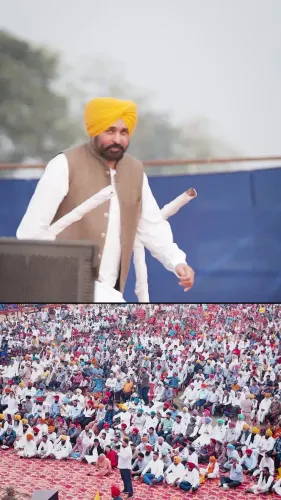
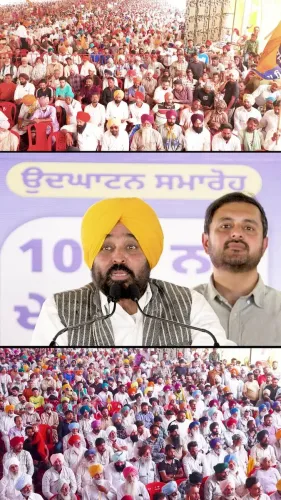
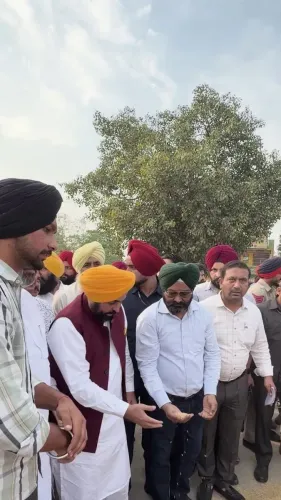
The video attached to the post — the only media element — suggests the message is part of a structured communication effort, not a casual update. For Punjab's farmers, women beneficiaries, and urban households watching their electricity bills, the framing is a direct appeal: judge us by what you have received.
Point of View
AAP is converting its 2022 manifesto commitments into a checklist it can publicly tick off. The emphasis on named schemes — Satkar Yojana, Aam Aadmi Clinics — rather than budget numbers signals a street-level communication strategy aimed at beneficiaries who can personally verify the claims. This mirrors the AAP playbook from Delhi, where welfare delivery was used to build durable voter loyalty. The broader pattern points to AAP consolidating Punjab as a replicable model for national expansion, making the credibility of these ground-level outcomes a high-stakes political asset.
NationPress
21 Nov 2026
Frequently Asked Questions
What is the Satkar Yojana in Punjab?
The Satkar Yojana is a welfare scheme launched by the AAP government in Punjab to provide support and dignity-related benefits to women in the state.
What are Aam Aadmi Clinics in Punjab?
Aam Aadmi Clinics are government-run primary healthcare centres across Punjab that offer free diagnostics and medicines to residents, rolled out from mid-2022 onward.
How much free electricity does Punjab provide under AAP?
The AAP government in Punjab committed to providing up to 300 units of free electricity per month to households, a flagship promise from its 2022 election manifesto.
What did Bhagwant Mann post about Punjab governance on 21 November 2026?
Bhagwant Mann posted in Punjabi stating that the public judges governments by ground-level work, not claims, and listed free electricity, canal water, Satkar Yojana, and Aam Aadmi Clinics as delivered outcomes.
When did AAP come to power in Punjab?
The Aam Aadmi Party won the Punjab assembly elections in March 2022 , with Bhagwant Mann taking over as Chief Minister.