CM Bhagwant Mann Targets Majithia Over Jallianwala Bagh History
Synopsis
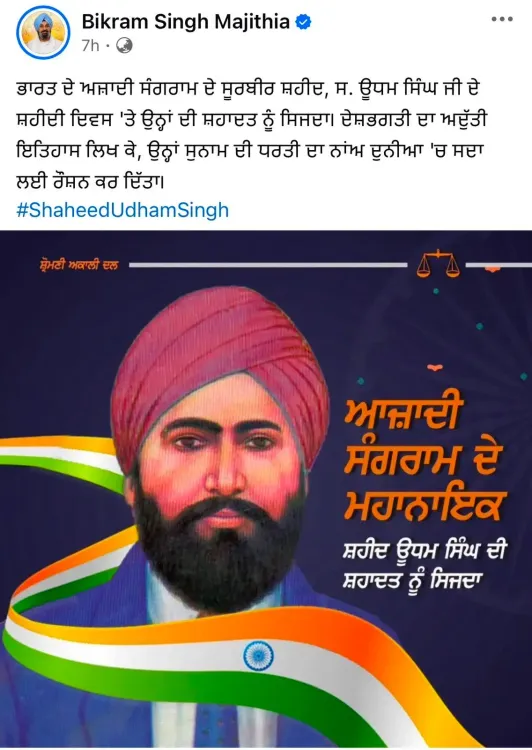
Punjab CM Bhagwant Mann publicly challenged Akali Dal leader Bikram Majithia on 31 July 2026, alleging that Majithia's ancestors hosted General Reginald Dyer — who ordered the 1919 Jallianwala Bagh massacre — and questioning his right to pay tribute to the victims.
Key Takeaways
Bhagwant Mann posted a sharp Punjabi-language attack on Bikram Singh Majithia on 31 July 2026 .
Mann alleged that Majithia's ancestor Sundar Singh Majithia hosted a dinner for General Reginald Dyer , who ordered the 1919 Jallianwala Bagh massacre .
Dyer's troops killed an estimated 379 to over 1,000 unarmed civilians at Jallianwala Bagh, Amritsar on 13 April 1919 .
Mann accused Majithia of being on both sides — with the killers and with the killed — in a closing couplet.
The Shiromani Akali Dal had not publicly responded at the time of publication.
Invoking colonial-era associations against the Akali Dal is a recurring tactic in AAP's Punjab political playbook.
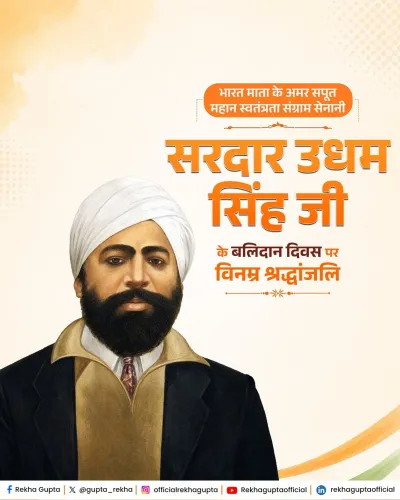
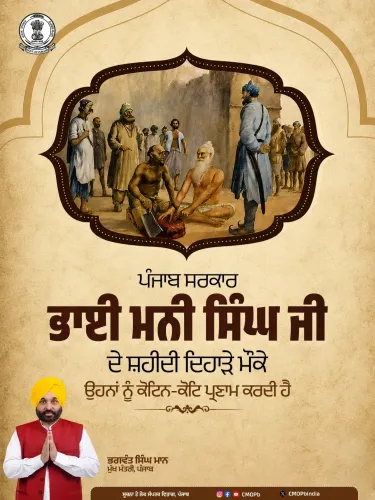
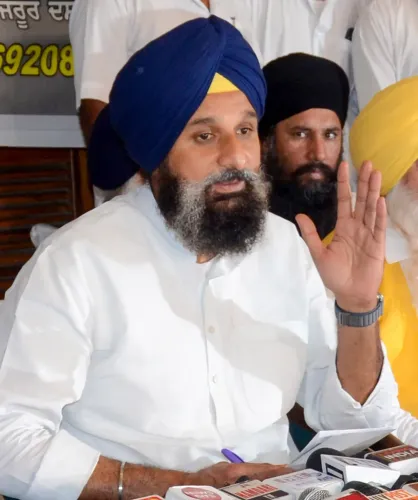
A century-old dinner has re-entered Punjab's political arena. Punjab Chief Minister Bhagwant Mann on Friday, 31 July 2026 launched a sharp public attack on Shiromani Akali Dal leader Bikram Singh Majithia, invoking the legacy of the 1919 Jallianwala Bagh massacre to question the credibility of Majithia's tribute to its victims.
Posting in Punjabi, Mann wrote: 'ਕਿਸ ਮੂੰਹ ਨਾਲ ਸ਼ਰਧਾਂਜਲੀ ਦੇ ਰਹੇ ਹੋ ਮਜੀਠੀਆ ਸਾਬ੍ਹ' — 'With what face are you paying tribute, Mr. Majithia?' He alleged that Majithia's ancestors had hosted a dinner for General Reginald Dyer — the British officer who ordered troops to open fire on unarmed civilians gathered at Jallianwala Bagh, Amritsar — on the orders of the very colonial establishment that sanctioned the massacre. Mann closed with a pointed couplet: 'With those who killed, and also with those who died.'
The Dinner That Haunts the Majithia Name
The historical charge Mann is reviving centres on Sundar Singh Majithia, an early 20th-century Sikh leader and ancestor of Bikram Majithia who held prominent positions under British rule. The allegation — that Sundar Singh Majithia hosted or facilitated a dinner for General Dyer after the 13 April 1919 massacre — has circulated in Punjabi political discourse for decades. Dyer's troops killed an estimated 379 to over 1,000 unarmed men, women, and children who had gathered in the walled garden; the true death toll remains contested but the moral weight is not.
Mann did not specify the occasion on which Majithia was paying tribute, but the thrust of the attack is unambiguous: he is arguing that a family with such a colonial-era association cannot credibly mourn the victims of colonial violence.
A Recurring Weapon in Punjab's Political Wars
This is not the first time Aam Aadmi Party leaders have reached back to 1919 to challenge the Akali Dal's nationalist credentials. Punjab politics has a long tradition of weaponising colonial-era associations — who collaborated, who resisted, who dined with the empire — to delegitimise rivals in the eyes of a Sikh electorate for whom Jallianwala Bagh is not merely history but living memory and sacred wound.
Majithia, a former Punjab minister and one of the Akali Dal's most prominent faces, has not yet publicly responded to Mann's post. The Akali Dal's reply — and whether it contests the historical record or pivots to a counter-attack — will set the tone for what could become a sustained exchange as Punjab's political temperature rises.
Mann's closing line — 'ਮਾਰਨ ਵਾਲਿਆਂ ਨਾਲ ਵੀ ਅਤੇ ਮਰਨ ਵਾਲਿਆਂ ਨਾਲ ਵੀ' ('With those who killed, and also with those who died') — is the sharpest part of the post: an accusation of standing on both sides of a massacre, simultaneously mourning and enabling. That kind of charge, once lodged in public memory, is not easily dislodged.
Point of View
Mann is not just scoring a rhetorical point; he is attempting to make the Akali Dal's claim to Sikh martyrdom memory permanently suspect. The tactic is particularly potent because Jallianwala Bagh occupies sacred space in Punjabi identity, making any association with the perpetrators politically toxic. Whether the Akali Dal can rebut the historical charge or must absorb the blow will shape the credibility battle between the two parties in the months ahead.
NationPress
31 Jul 2026
Frequently Asked Questions
Why did Bhagwant Mann attack Bikram Majithia over Jallianwala Bagh?
Mann alleged that Majithia's ancestor Sundar Singh Majithia hosted a dinner for General Reginald Dyer, who ordered the 1919 Jallianwala Bagh massacre, and argued this disqualifies Majithia from credibly paying tribute to the victims.
Who was General Reginald Dyer?
General Reginald Dyer was the British military officer who ordered troops to open fire on unarmed civilians gathered at Jallianwala Bagh in Amritsar on 13 April 1919, killing hundreds in one of the deadliest acts of colonial violence in Indian history.
Who was Sundar Singh Majithia?
Sundar Singh Majithia was an early 20th-century Sikh leader and ancestor of current Akali Dal leader Bikram Singh Majithia who held positions under British rule; his alleged association with General Dyer has long been a point of political controversy in Punjab.
What did Bhagwant Mann say in his post about Majithia?
Mann wrote in Punjabi, asking 'With what face are you paying tribute, Mr. Majithia?' and alleged that Majithia's ancestors had hosted General Dyer for dinner after the Jallianwala Bagh massacre, closing with a couplet accusing the family of standing with both the killers and the killed.
Has Bikram Majithia responded to Bhagwant Mann's Jallianwala Bagh allegation?
As of the time of publication on 31 July 2026, the Shiromani Akali Dal and Bikram Majithia had not issued a public response to Mann's post.