Goyal Announces Three Major Cabinet Approvals on Energy, Sports
Synopsis
The Modi government approved three major schemes on 31 July 2026: PM-SSY for floating solar with storage, Samudra Manthan with a ₹84,084 crore outlay for offshore hydrocarbon exploration, and a revamped Khelo India linking sports with education and elite training.
Key Takeaways
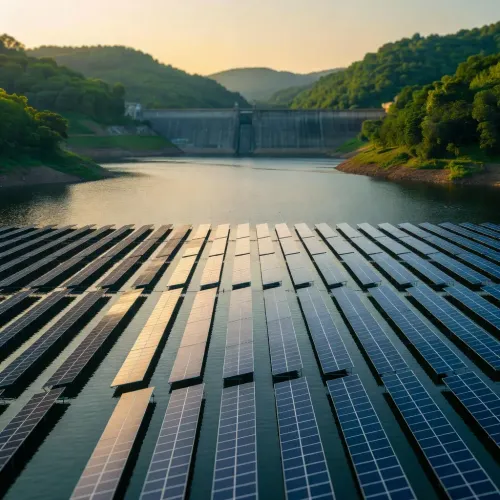
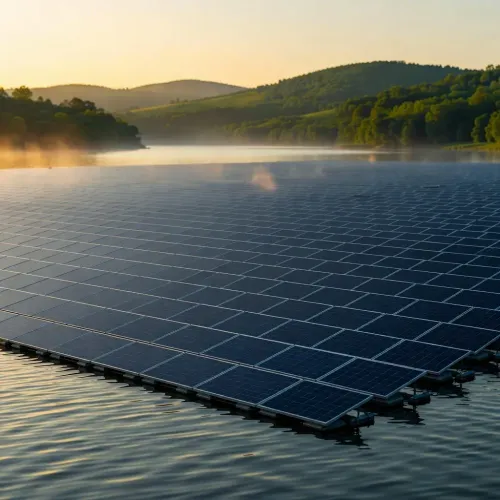
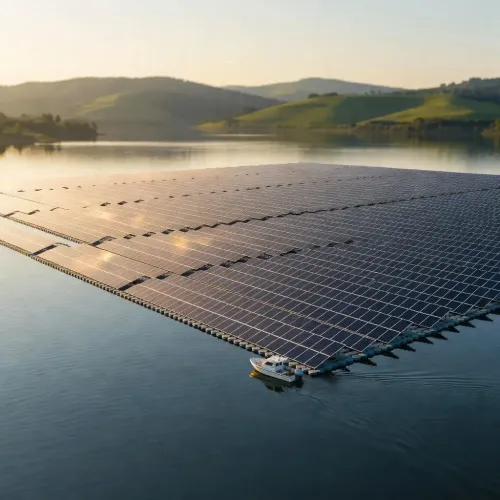
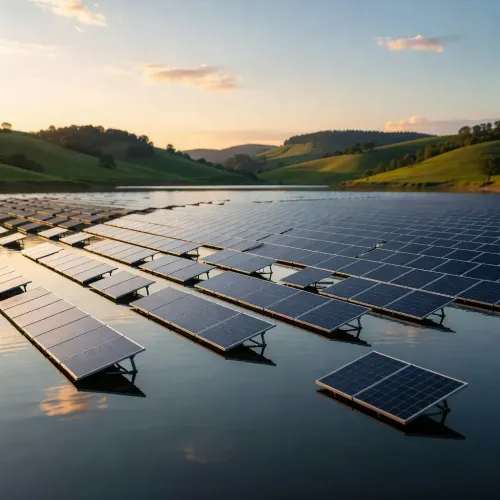
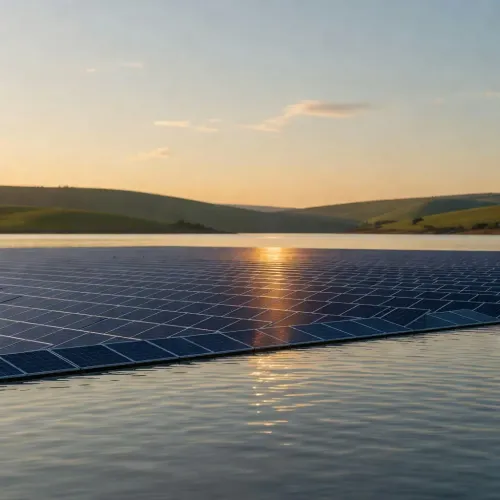
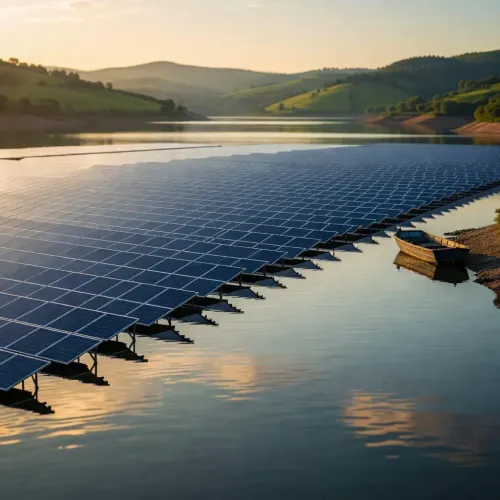
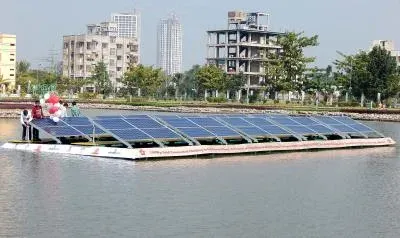
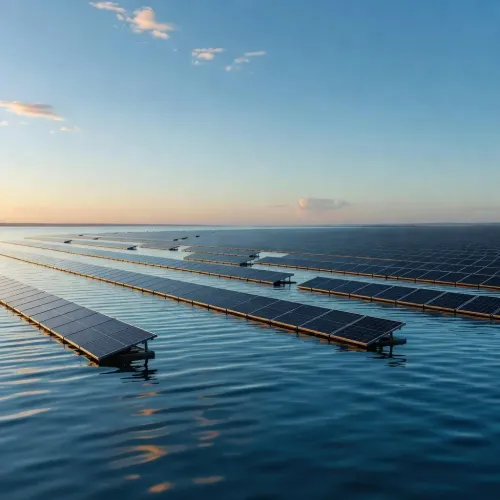
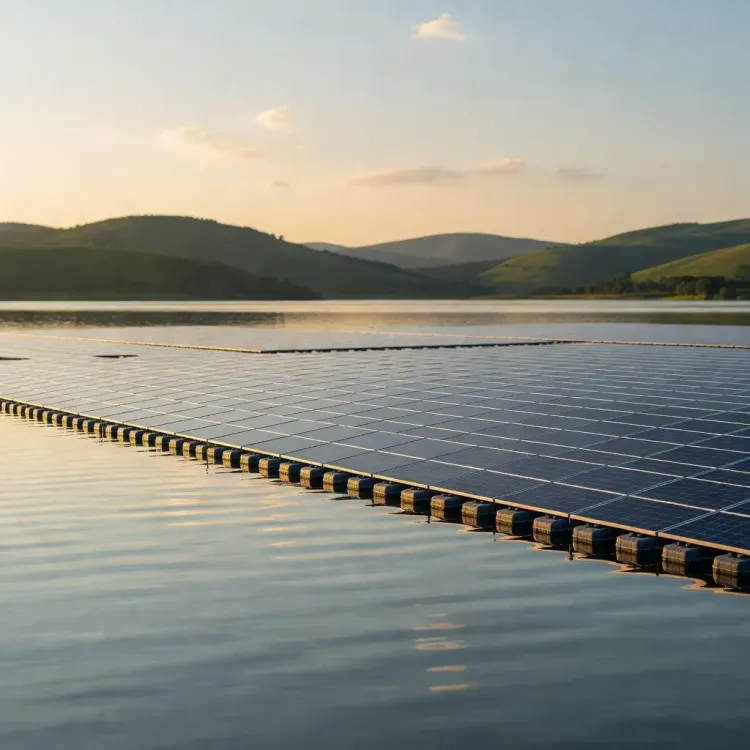
Pradhan Mantri Surya Sarovar Yojana (PM-SSY) approved for development of Floating Solar Photovoltaic projects paired with Energy Storage Systems to boost renewable capacity.
Samudra Manthan , the National Offshore Exploration Scheme, approved with a financial outlay of ₹84,084 crore to unlock India's offshore energy potential.
The Khelo India Scheme has been revamped to integrate sports with education, fitness, technology, and high-performance training for a seamless athlete pathway.
Enhanced Assistance to National Sports Federations (ANSFs) is included in the Khelo India revamp to strengthen institutional sports governance.
The approvals collectively advance India's climate target of 500 GW non-fossil fuel capacity by 2030 and energy security goals through domestic hydrocarbon exploration.
In a single sweeping cabinet decision, the Modi government has approved three landmark schemes spanning floating solar energy, deep-sea hydrocarbon exploration, and grassroots sports development — a bundled policy push that signals where India's infrastructure and human capital priorities are headed as 2026 draws to a close. Union Commerce and Industry Minister Piyush Goyal announced the approvals on 31 July 2026, outlining the contours of each initiative.
Floating Solar Meets Storage: What PM-SSY Promises
The Pradhan Mantri Surya Sarovar Yojana (PM-SSY) targets the development of Floating Solar Photovoltaic (FSPV) projects paired with Energy Storage Systems (ESS) — a combination designed to address two persistent challenges at once: land scarcity for solar installations and grid intermittency. By deploying panels on water bodies, the scheme also aims to reduce evaporation losses, offering a dual dividend for water-stressed regions. The approval directly supports India's pledge to reach 500 GW of non-fossil fuel capacity by 2030 and achieve net-zero emissions by 2070.
'Samudra Manthan': ₹84,084 Crore Bet on Offshore Hydrocarbons
The headline number is hard to ignore. The National Offshore Exploration Scheme, branded 'Samudra Manthan' — evoking the mythological churning of the ocean — carries a financial outlay of ₹84,084 crore, making it one of the most significant domestic energy exploration commitments in recent memory. The scheme is framed around three goals: strengthening India's energy security, accelerating domestic exploration and production, and building technological leadership in offshore extraction. With India still heavily dependent on crude oil imports, unlocking the country's offshore basins is a long-standing strategic imperative — and this scheme puts serious capital behind that ambition.
Khelo India Gets a Revamp — and a Bigger Brief
The third approval revamps the Khelo India Scheme, first launched in 2017 to build a national grassroots sports ecosystem. The updated version goes further, integrating sports with education, fitness, technology, and high-performance training into what the government describes as a 'seamless pathway' for talented young Indians. The timing matters: with the 2028 Los Angeles Olympics on the horizon, India's medal ambitions depend on whether elite talent pipelines built today can deliver on the podium in two years. The revamped scheme also includes enhanced Assistance to National Sports Federations (ANSFs), signalling a push to professionalise the institutional layer that governs Indian sport.
Three schemes, three strategic bets — on clean energy, hydrocarbon self-reliance, and sporting excellence. The real test, as always, will be in the implementation timelines and tender rollouts that follow.
Point of View
Climate action, and soft-power ambition into a single news cycle reinforces the Modi government's 'whole-of-nation' governance narrative ahead of the 2028 Olympics and the 2030 renewable energy deadline. The ₹84,084 crore Samudra Manthan outlay is particularly significant — it signals that the government is unwilling to sacrifice hydrocarbon self-reliance on the altar of the energy transition, pursuing both tracks simultaneously. The Khelo India revamp, meanwhile, is less about sport and more about institution-building: linking federations, schools, and elite training under one framework is the kind of structural reform that outlasts electoral cycles if executed well.
NationPress
15 Sept 2026
Frequently Asked Questions
What is the Pradhan Mantri Surya Sarovar Yojana?
Pradhan Mantri Surya Sarovar Yojana (PM-SSY) is a newly approved central government scheme for developing Floating Solar Photovoltaic (FSPV) projects integrated with Energy Storage Systems (ESS) on water bodies across India, aimed at boosting renewable energy capacity and optimising water resource use.
What is Samudra Manthan scheme and what is its budget?
Samudra Manthan is India's National Offshore Exploration Scheme approved by the Modi cabinet with a financial outlay of ₹84,084 crore. It is designed to unlock India's offshore hydrocarbon potential, strengthen energy security, and promote technological leadership in deep-sea exploration.
What changes have been made to the Khelo India Scheme in 2026?
The revamped Khelo India Scheme integrates sports with education, fitness, technology, and high-performance training to create a seamless talent pathway for young Indians. It also includes enhanced Assistance to National Sports Federations (ANSFs) to strengthen institutional governance of Indian sport.
When were these three schemes approved by the government?
All three schemes — PM-SSY, Samudra Manthan, and the revamped Khelo India — were approved by the central government on 31 July 2026, as announced by Union Minister Piyush Goyal.
How does floating solar help India meet its climate targets?
Floating Solar Photovoltaic projects installed on water bodies conserve land while generating clean electricity. Paired with Energy Storage Systems, they help stabilise grid supply. These projects contribute directly to India's target of achieving 500 GW of non-fossil fuel energy capacity by 2030.