CM Bhagwant Mann: True Art Needs No Certificate
Synopsis
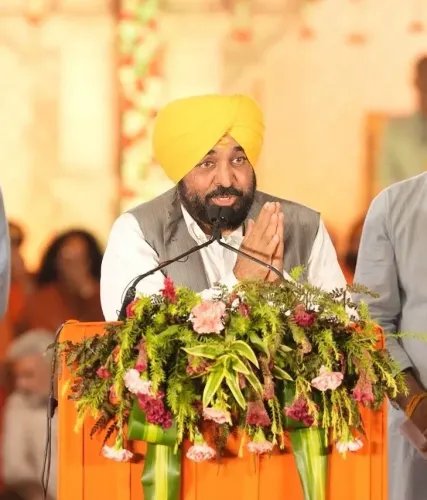
Punjab Chief Minister Bhagwant Mann declared on October 25 that true art springs from ordinary life and the emotions of working people — and when it touches hearts, it needs no formal certificate. The post echoes Punjab's deep folk-art tradition and Mannʼs own background as a popular entertainer.
Key Takeaways
Bhagwant Mann posted a Punjabi-language reflection on Sunday, October 25, 2026 stating that people are the true appreciators of art.
He argued that genuine art emerges from 'the moments of ordinary life, the joys and sorrows of working people, and the emotions of the masses.' His central claim: art that touches hearts 'never remains dependent on any formal certificate.' Punjab has a centuries-old folk-art tradition — bhangra, giddha, kissa poetry — that has historically validated itself through popular resonance, not institutional awards.
Mann himself is a former comedian and entertainer, giving the sentiment a personal dimension rooted in lived experience.
No specific policy or scheme was announced; the Punjab cultural affairs department bears watching for any related grassroots initiatives.
People, not institutions, are the ultimate judges of art — that is the quiet but pointed message Punjab Chief Minister Bhagwant Mann sent out on Sunday, October 25, 2026, in a reflective Punjabi-language post that cut straight to the heart of how creativity earns its legitimacy.
Writing in Punjabi, Mann said: 'ਕਲਾ ਦੇ ਖੇਤਰ ਵਿੱਚ ਲੋਕ ਹੀ ਅਸਲੀ ਕਦਰਦਾਨ ਹੁੰਦੇ ਹਨ' — 'In the field of art, the people are the true appreciators.' He added that genuine art always emerges from the moments of ordinary life, the joys and sorrows of working people, and the emotions of the masses. And the kicker: 'When your art touches the hearts of the people, it never remains dependent on any formal certificate.'
The folk tradition behind the sentiment
The observation lands differently when it comes from Punjab — a state whose artistic identity is almost entirely rooted in everyday labour and lived experience. From the seasonal rhythms of bhangra and giddha to the poetry of Waris Shah and Shiv Kumar Batalvi, Punjabi folk expression has historically needed no gatekeeping body to validate its reach. The art simply moved people, and that was enough.
Mann, himself a former comedian and entertainer who rose through popular appeal before entering politics, brings a personal register to this sentiment. His own public life has been shaped by the idea that connecting with ordinary people — their struggles, their laughter, their grief — is both the test and the reward of any creative act.
Popular validation vs. institutional recognition
Across India, debates about who gets to certify artistic merit — state academies, award bodies, university syllabi — have sharpened in recent years. Mann's post, though untethered to any specific event or scheme, arrives in that wider conversation as a clean, readable position: the crowd's verdict outlasts the committee's stamp. It is a view that resonates deeply in a state where street performances, dhadd-sarangi musicians, and kissa storytellers have always measured success by the size and silence of the circle that gathered around them.
No immediate policy announcement accompanies the post. But the Punjab cultural affairs department is worth watching — any follow-through that channels this philosophy into grassroots arts funding or folk-artist recognition programmes would give the sentiment institutional weight.
Art that touches hearts, Mann suggests, writes its own certificate. The people sign it every time they feel something.
Point of View
It doubles as personal autobiography and political positioning, reinforcing the AAP brand of 'common people first.' The philosophical framing keeps it above day-to-day political noise, but it plants a flag: Punjab's cultural policy, under Mann, will likely lean toward grassroots and folk expressions over elite institutional gatekeeping. Whether that translates into budget allocations for folk artists or curriculum changes is the real test ahead.
NationPress
25 Oct 2026
Frequently Asked Questions
What did Bhagwant Mann say about art on October 25?
Punjab Chief Minister Bhagwant Mann wrote on X that true art emerges from ordinary life and the emotions of working people, and that art which touches people's hearts never needs a formal certificate for validation.
Why did Bhagwant Mann post about art and culture?
No specific event or scheme was cited in the post. It appears to be a philosophical reflection consistent with his background as a former entertainer and Punjab's strong folk-art tradition.
What is Bhagwant Mann's connection to art and culture?
Before entering politics, Mann was a well-known Punjabi comedian and entertainer, giving him a personal relationship with the idea of earning an audience's trust through popular appeal rather than institutional recognition.
Does Punjab have a strong folk art tradition?
Yes. Punjab has a centuries-old tradition of folk expressions including bhangra, giddha, dhadd-sarangi music, and kissa poetry — all historically validated by community participation rather than formal awards bodies.
Will Bhagwant Mann's cultural views lead to new policy in Punjab?
No specific policy was announced with this post. Observers are watching the Punjab cultural affairs department for any follow-up initiatives that might channel this philosophy into grassroots arts funding or folk-artist recognition schemes.