CM Bhajan Lal Backs Exam Anti-Cheat Bill in Lok Sabha
Synopsis
Rajasthan Chief Minister Bhajan Lal Sharma has hailed the introduction of the Public Examination (Prevention of Unfair Means) Amendment Bill, 2026 in Lok Sabha as a historic move to dismantle paper-leak networks and restore youth trust in India's examination system.
Key Takeaways
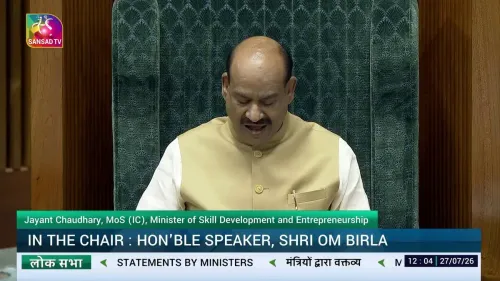
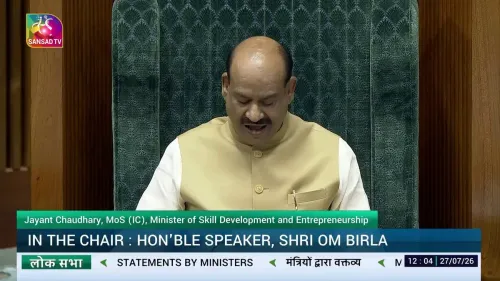
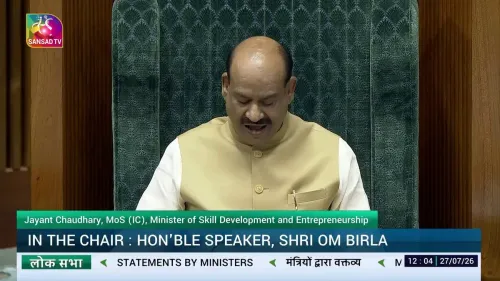
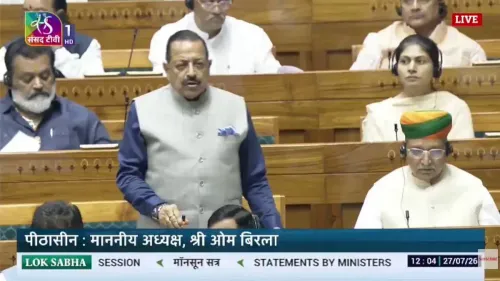
Rajasthan Chief Minister Bhajan Lal Sharma on 27 July 2026 publicly welcomed the introduction of the Public Examination (Prevention of Unfair Means) Amendment Bill, 2026 in Lok Sabha .
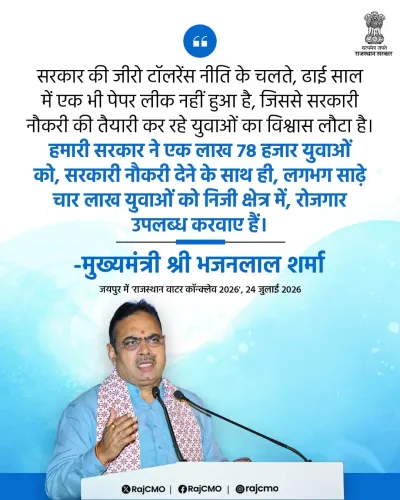
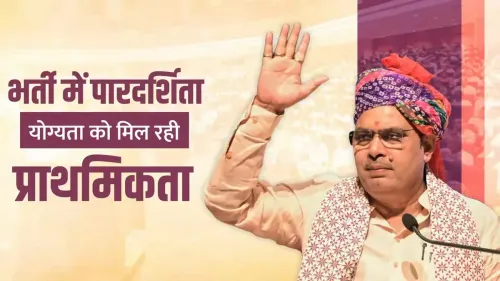
CM Sharma described the bill as a 'epoch-changing and historic step' to protect the futures of crores of young Indians and ensure transparency in examinations.
He called for action against pariksha mafia and paper-leak gangs, saying such a strict law was 'extremely necessary.' The 2026 Amendment Bill builds on the Public Examinations (Prevention of Unfair Means) Act, 2024 , enacted after NEET and UGC-NET paper-leak scandals.
CM Sharma thanked Prime Minister Narendra Modi and the central government for prioritising youth welfare and examination integrity.
The bill must still pass parliamentary scrutiny before it becomes enforceable law.
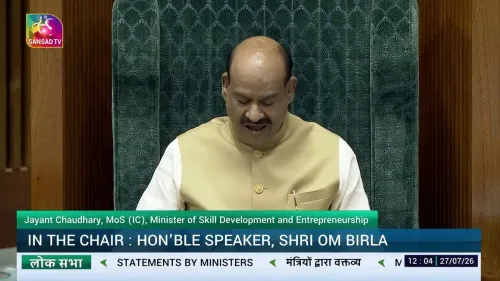
Rajasthan Chief Minister Bhajan Lal Sharma on Monday, 27 July 2026 welcomed the introduction of the Public Examination (Prevention of Unfair Means) Amendment Bill, 2026 in Lok Sabha, calling it a 'epoch-changing and historic step' toward securing the future of millions of young Indians and ensuring 'unbreakable transparency' in the country's examination system.
Context
Posting in Hindi on X, CM Sharma described the bill as essential to strike at the roots of what he called the 'pariksha mafia' (exam mafia) and 'paper leak giron' (paper-leak gangs) that he said have been 'playing with the dreams of youth.' He expressed gratitude to Prime Minister Narendra Modi and the central government for prioritising transparency and what he termed 'yuva shakti' — the power of youth. 'This historic and courageous decision will strengthen young people's trust in the system and deliver justice for their years of hard work,' he wrote.
Policy Backdrop
The 2026 Amendment Bill builds on the Public Examinations (Prevention of Unfair Means) Act, 2024, which was enacted following a wave of high-profile paper-leak scandals in competitive examinations including NEET and UGC-NET. Those incidents triggered widespread student protests and severely eroded public confidence in national recruitment and entrance processes. The 2024 Act introduced criminal penalties for organised cheating networks, and the 2026 amendment is being positioned as a further legislative tightening of those provisions to deter entrenched malpractice syndicates.
The bill's introduction in Lok Sabha — the lower house of Parliament — marks a formal legislative step, with debate and passage still to follow under the parliamentary process.
Stakeholders and Impact
The legislation directly affects crores of students and job aspirants who compete annually in central and state-level public examinations conducted by bodies such as UPSC, SSC, NTA, and state public service commissions. For aspirants who invest years of preparation, paper leaks represent not merely unfair competition but a systemic injustice that can derail careers entirely. Examination bodies and enforcement agencies are also key stakeholders, as stronger legislation places additional compliance and investigative responsibilities on them.
CM Sharma's endorsement signals that BJP-governed states are aligned with the centre's legislative agenda on examination integrity, potentially paving the way for complementary state-level measures in Rajasthan and elsewhere.
What's Next
The Amendment Bill will now undergo parliamentary scrutiny, including possible referral to a standing committee, before it can be passed and notified into law. Enforcement agencies and examination bodies will need to align their protocols with any new provisions once the bill is enacted. Observers will watch whether the legislation prompts parallel amendments in state examination laws, and how effectively the strengthened penal framework deters organised cheating networks in upcoming national competitive examinations.
Point of View
Effusive endorsement — reflects the BJP's strategic effort to reclaim credibility on examination integrity after the NEET and UGC-NET scandals became significant political liabilities in 2024. By framing the legislation as a defence of 'yuva shakti,' the party is attempting to convert a past governance failure into a reform narrative ahead of state and national electoral cycles. State-level endorsements from BJP chief ministers also serve a dual function: demonstrating federal alignment while signalling to local aspirant communities that the party is responsive to their grievances. The true test will be whether enforcement infrastructure keeps pace with the stronger legal framework.
NationPress
27 Jul 2026
Frequently Asked Questions
What is the Public Examination (Prevention of Unfair Means) Amendment Bill 2026?
It is an amendment bill introduced in Lok Sabha on 27 July 2026 that seeks to strengthen penalties and transparency mechanisms against paper leaks and organised cheating in public examinations, building on the original 2024 Act.
Why is Rajasthan CM Bhajan Lal Sharma supporting this bill?
CM Bhajan Lal Sharma stated that the bill is essential to dismantle exam mafias and paper-leak gangs that harm millions of youth aspirants, and he expressed gratitude to PM Modi and the central government for the legislative initiative.
What was the Public Examinations (Prevention of Unfair Means) Act 2024?
The 2024 Act was enacted following major paper-leak scandals in exams like NEET and UGC-NET, introducing criminal penalties for organised malpractice in public examinations across India.
Who does the exam anti-cheat bill affect?
The bill directly affects crores of students and job aspirants who appear in national and state competitive exams, as well as examination bodies and law enforcement agencies responsible for conducting and securing those exams.
What happens after the bill is introduced in Lok Sabha?
After introduction, the bill will undergo parliamentary debate and possible committee review before it can be passed into law and notified for enforcement by examination authorities.