CM Bhajan Lal Backs India Defence Credibility at PM Modi's Australia Visit
Synopsis
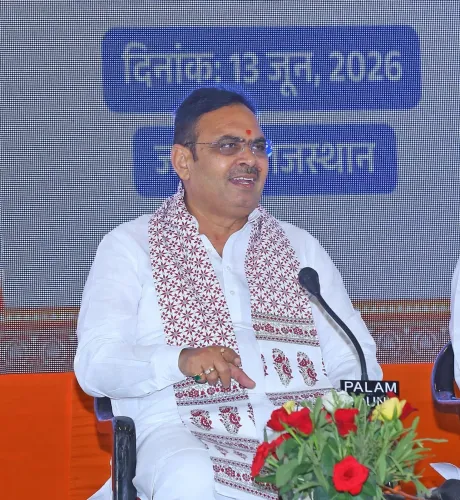
Rajasthan Chief Minister Bhajan Lal Sharma on 9 July 2026 invoked Operation Sindoor to highlight India's defence credibility, posting on X during Prime Minister Modi's Australia visit. He said the world is watching India's defence platforms — and has already seen their battlefield demonstration.
Key Takeaways
Rajasthan CM Bhajan Lal Sharma posted on X on 9 July 2026 praising India's defence capability and credibility.
The post was timed to coincide with PM Narendra Modi's visit to Australia , tagged #PMModiInAustralia .
Sharma cited Operation Sindoor as a live 'demo' of India's defence platforms to the world.
India and Australia share a Comprehensive Strategic Partnership (2020) that includes defence industry collaboration.
The post aligns with India's broader Atmanirbhar Bharat and Make in India defence indigenisation strategy.
Any co-production or technology transfer outcomes from the Australia visit will be closely watched by defence industry stakeholders.
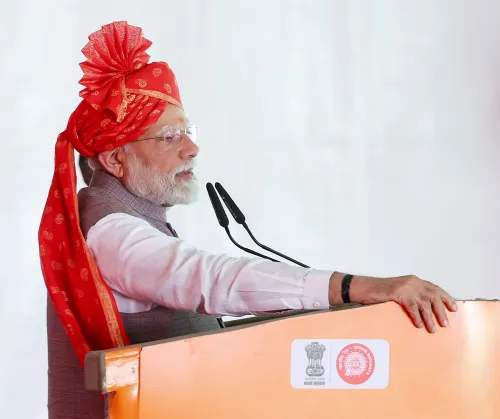
Rajasthan Chief Minister Bhajan Lal Sharma on Thursday, 9 July 2026, publicly praised India's defence capabilities, citing the country's growing global stature as Prime Minister Narendra Modi visited Australia. Sharma's post on X underscored the battlefield credibility of Indian defence platforms, invoking Operation Sindoor as a demonstration of their real-world effectiveness.
Writing in Hindi, Sharma stated: 'भारत के डिफेंस प्लेटफॉर्म की कैपेबिलिटी और क्रेडिबिलिटी दुनिया देख रही है।' — translated: 'The capability and credibility of India's defence platforms is being watched by the world.' He added that the world would have already seen the 'demo' during Operation Sindoor, directing the remark at Prime Minister Modi.
Context
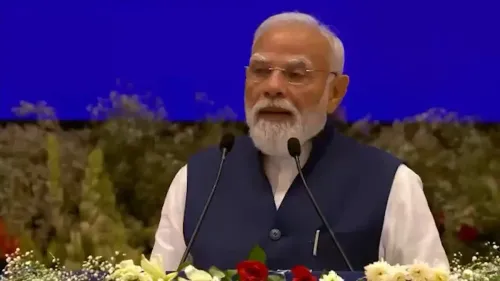
Prime Minister Narendra Modi's visit to Australia took place against the backdrop of deepening bilateral defence ties between the two nations. Sharma's post, tagged #PMModiInAustralia, was timed to coincide with that visit, framing it as an opportunity for India to project the operational credibility of its indigenous defence platforms to a strategic partner.
The reference to Operation Sindoor positions the operation as a live demonstration of Indian military hardware and doctrine — a signal, in Sharma's framing, that India's defence industry has moved beyond catalogues and into proven battlefield performance.
Policy Backdrop
India's push to showcase defence capabilities on the global stage is rooted in the Make in India initiative launched in 2014, which explicitly targeted defence manufacturing to reduce the country's dependence on imports. The overarching Atmanirbhar Bharat framework extended this ambition, setting targets for domestic defence production and pushing exports to friendly nations.
India and Australia elevated their relationship to a Comprehensive Strategic Partnership in 2020, which included defence industry collaboration as a key pillar. The two countries also cooperate within the Quad framework alongside the United States and Japan, making bilateral defence engagement a multilateral priority as well.
Stakeholders and Impact
India's domestic defence industry stands to benefit most directly from successful diplomatic showcasing during high-profile bilateral visits. A credible operational record — such as the one Sharma alludes to — can serve as a powerful sales argument in negotiations over co-production agreements or technology transfer deals.
The Indian Armed Forces, which have championed indigenisation, also gain from international recognition of their platforms' effectiveness. For Australia, closer defence-industrial ties with India offer supply-chain diversification at a time when both nations are recalibrating their strategic alignments in the Indo-Pacific.
What's Next
Attention will now turn to any joint statements, memoranda of understanding, or co-production frameworks that emerge from PM Modi's Australia visit. Defence analysts will watch whether India's operational record is formally referenced in bilateral communiqués as a basis for deeper industrial partnership.
Sharma's post reflects a broader pattern among BJP leaders of amplifying the Prime Minister's foreign engagements as proof of India's rising strategic stature — a theme likely to continue as the government seeks to convert battlefield credibility into export contracts and long-term alliances.
Point of View
Set within the Quad framework, makes the audience for this message as much international as domestic. If concrete defence co-production outcomes follow the visit, posts like Sharma's will be retrospectively read as part of a scripted credibility campaign.
NationPress
9 Jul 2026
Frequently Asked Questions
What did Rajasthan CM Bhajan Lal Sharma say about India's defence platforms?
Sharma said the capability and credibility of India's defence platforms is being watched by the world, and that Operation Sindoor served as a live demonstration of their effectiveness.
Why did Bhajan Lal Sharma post about defence during PM Modi's Australia visit?
Sharma's post was tagged #PMModiInAustralia and was timed to coincide with the Prime Minister's bilateral visit, framing India's operational defence record as an asset in diplomatic and defence-industrial engagement with Australia.
What is Operation Sindoor?
Operation Sindoor is referenced in the post as a demonstration of India's defence platforms in a real operational context; details of the operation fall outside independently verifiable information available up to the research cutoff.
What is the India-Australia defence relationship?
India and Australia elevated their ties to a Comprehensive Strategic Partnership in 2020, which includes defence industry collaboration, and both nations cooperate within the Quad framework alongside the United States and Japan.
How does this relate to Make in India and Atmanirbhar Bharat?
Both initiatives, launched from 2014 onward, aim to build India's indigenous defence manufacturing base and reduce import dependence, with export promotion to strategic partners like Australia forming a key pillar of the strategy.