CM Bhajan Lal targets Congress over paper leaks, farmer neglect
Synopsis
Rajasthan Chief Minister Bhajan Lal Sharma has accused the previous Congress government under Ashok Gehlot of neglecting farmers and colluding with paper-leak syndicates, calling the period a direct assault on students' dreams and the state's agricultural welfare.
Key Takeaways
Rajasthan CM Bhajan Lal Sharma posted on 3 November 2026 accusing the Congress of ignoring farmer interests and mishandling youth futures during its 2018–2023 term.
He specifically charged that the nakal mafia (cheating syndicates) operated with collusion, damaging the careers of hardworking student aspirants.
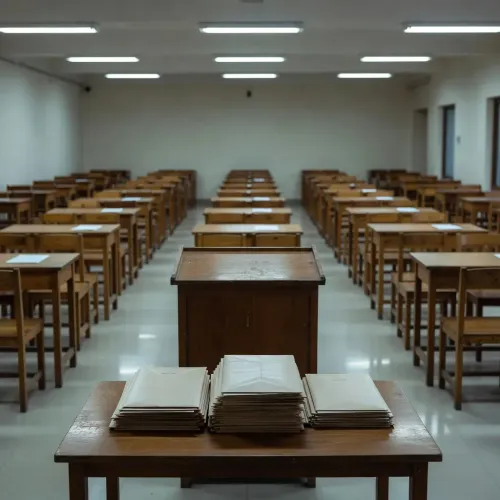
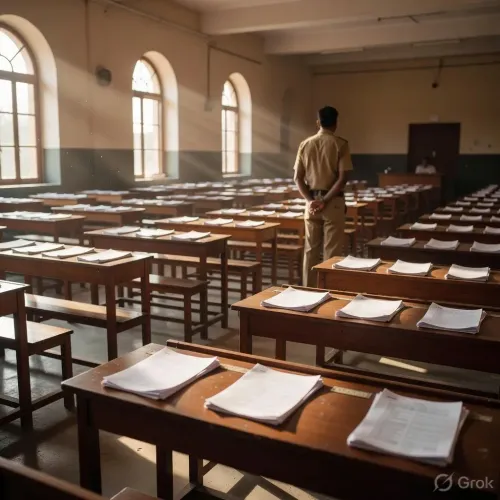
Recruitment exams including REET and police constable tests were repeatedly marred by paper-leak allegations between 2018 and 2023 under the Gehlot-led Congress government.
The BJP returned to power in Rajasthan in December 2023 , with Sharma as Chief Minister.
Similar post-transition accountability framing by BJP administrations has been observed in Madhya Pradesh and Chhattisgarh after Congress rule.
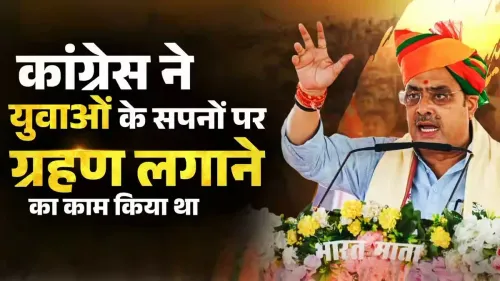
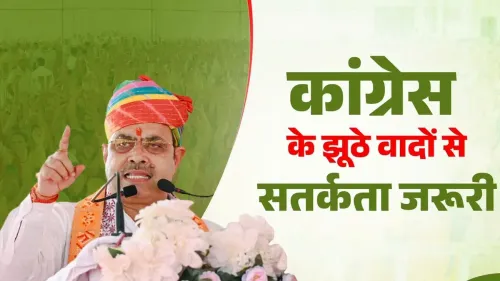
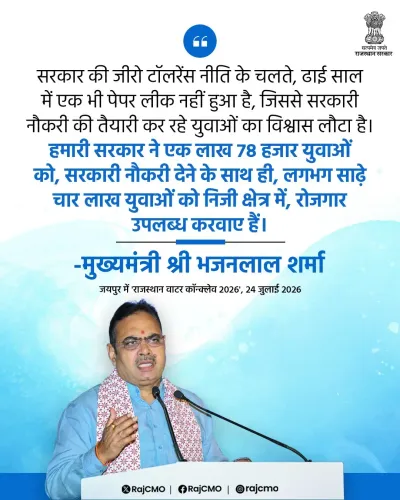
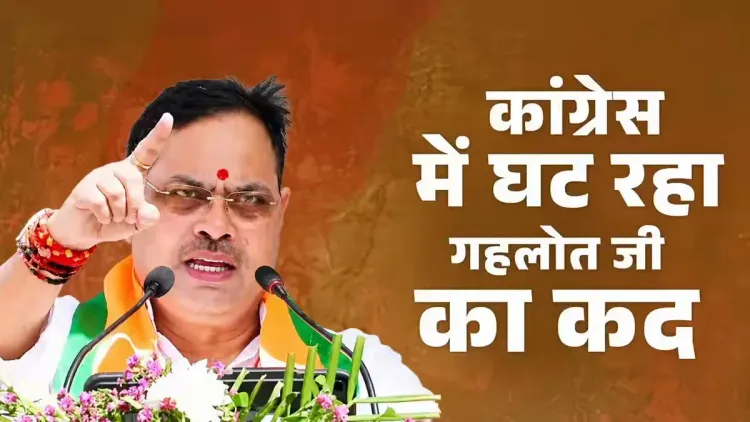
Rajasthan Chief Minister Bhajan Lal Sharma landed a pointed broadside against the previous Congress administration on Tuesday, 3 November 2026, accusing it of betraying both farmers and students during its five-year rule — and naming paper leaks as the weapon that robbed an entire generation of its future.
Posting on X, CM Sharma wrote: 'Kaangresk ke kaaryakaal mein kisaanon ke hiton ki andekhi hui aur yuvaon ke bhavishy ke saath khilvaad kiya gaya.' ('During the Congress tenure, the interests of farmers were ignored and the future of the youth was toyed with.') He went further, charging that collusion with paper-leak networks and 'nakal mafia' (cheating syndicates) inflicted serious damage on the talent and dreams of hardworking students.
The paper-leak years: REET, constable exams, and a state under scrutiny
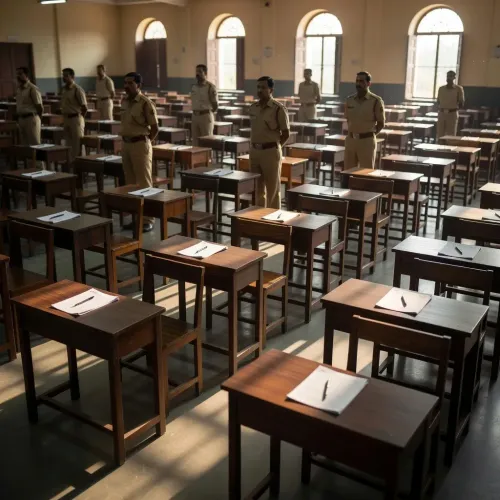
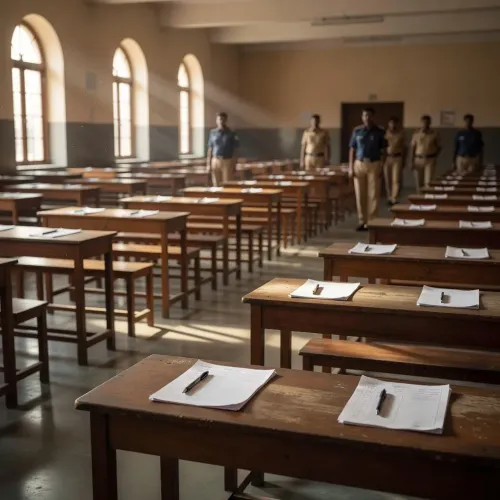
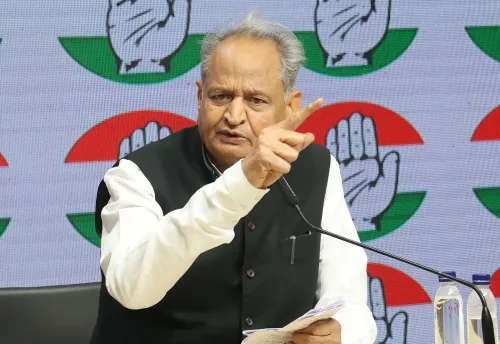
The accusations are not made in a vacuum. Between 2018 and 2023, Rajasthan's competitive recruitment examinations — most notably the Rajasthan Eligibility Examination for Teachers (REET) and successive police constable recruitment tests — were repeatedly rocked by paper-leak allegations. Aspirants who had spent years preparing found results cancelled, timelines stretched, and careers derailed. The political cost for the then-Congress government led by Chief Minister Ashok Gehlot was significant, and the controversy carried into the 2023 assembly elections that ultimately returned the BJP to power in Jaipur.
Farmers left behind: the agricultural grievance angle
Alongside the examination integrity issue, Sharma trained his sights on agrarian policy, arguing that the Congress government systematically sidelined farmer welfare. Rajasthan's farm economy — spanning arid western districts to rain-dependent eastern belts — remained a central voter concern throughout the Gehlot era, with complaints about delayed crop-insurance payouts and inadequate procurement support surfacing repeatedly in that period.
A familiar BJP playbook, sharpened for Rajasthan
This kind of retrospective accountability framing is a recognisable feature of post-power-transition politics across India. After the BJP reclaimed Madhya Pradesh and Chhattisgarh in recent election cycles, new state administrations similarly used predecessor-Congress failures on recruitment and agrarian promises as a political baseline. In Rajasthan, the tactic serves a dual purpose: it keeps the opposition on the defensive while signalling to students and farmers — two of the state's largest vote-blocs — that the current government sees their grievances as legitimate and unresolved.
With recruitment calendars for the current BJP government now under the spotlight, voters will be watching closely to see whether new exam integrity mechanisms match the sharpness of the political rhetoric.
Point of View
Where paper leaks became a visceral symbol of governance breakdown and student fury, invoking the nakal mafia is not merely rhetorical; it reinforces a narrative of moral contrast that the BJP intends to sustain into the next election cycle. The farmer grievance angle adds a second front, targeting a community that has historically swung results in the state. Watch whether this political framing accelerates tangible action — new exam bodies, anti-cheating legislation, or expanded procurement schemes — or remains a rhetorical baseline as the BJP's own recruitment record comes under scrutiny.
NationPress
3 Nov 2026
Frequently Asked Questions
What did Rajasthan CM Bhajan Lal Sharma say about Congress and paper leaks?
CM Sharma accused the previous Congress government of ignoring farmers and allowing paper-leak syndicates to damage the careers of hardworking students during its 2018–2023 tenure in Rajasthan.
Which exams were affected by paper leaks in Rajasthan during the Congress government?
Recruitment examinations including the Rajasthan Eligibility Examination for Teachers (REET) and police constable recruitment tests were repeatedly hit by paper-leak allegations between 2018 and 2023 under Chief Minister Ashok Gehlot.
Who was the Chief Minister of Rajasthan before Bhajan Lal Sharma?
Ashok Gehlot of the Congress party served as Chief Minister of Rajasthan from December 2018 to December 2023, when the BJP won the assembly elections and Bhajan Lal Sharma took over.
What is 'nakal mafia' that CM Sharma referred to?
'Nakal mafia' refers to organised cheating syndicates that allegedly facilitate paper leaks and mass copying in competitive examinations, enabling candidates to clear exams through fraudulent means.
Why is BJP criticising Congress over farmer welfare in Rajasthan?
The BJP has consistently argued that the Gehlot-led Congress government failed to deliver on crop insurance, procurement support, and other farm welfare promises, a grievance that resonated with rural voters in the 2023 Rajasthan assembly elections.