CM Bhajan Lal calls India's youth its greatest capital
Synopsis
Rajasthan Chief Minister Bhajan Lal Sharma declared India one of the world's youngest nations and called its youth the country's greatest capital, posting under the hashtag 'Our Leading Rajasthan' — a signal of the BJP-led state government's intent to anchor its development agenda in youth empowerment.
Key Takeaways
Rajasthan CM Bhajan Lal Sharma called India's youth its 'greatest capital' in a post by the Chief Minister's Office on 1 November 2026 .
The statement was shared under the hashtag #आपणो_अग्रणी_राजस्थान ('Our Leading Rajasthan'), the BJP-led government's recurring development branding.
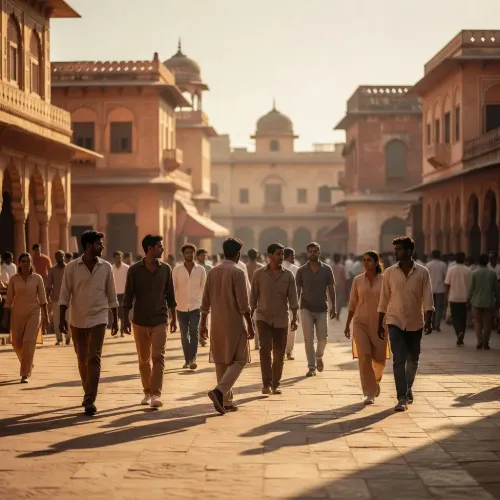
India is one of the world's youngest nations, with an estimated 600 million people under 25 — a demographic dividend that governments at every level have tried to convert into economic growth.
India's National Youth Policy 2014 established the national framework linking youth empowerment to skilling, education and entrepreneurship.
Sharma has served as Rajasthan Chief Minister since December 2023 , with the state government consistently tying its messaging to youth and development themes.
Analysts will watch for follow-through in state budget provisions or new linkages to central schemes such as Skill India .
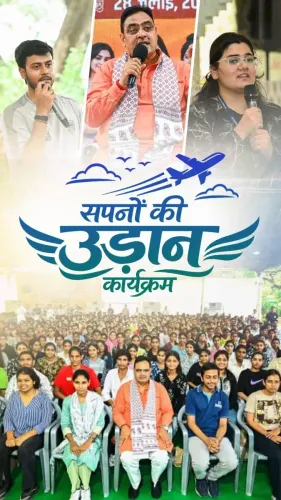
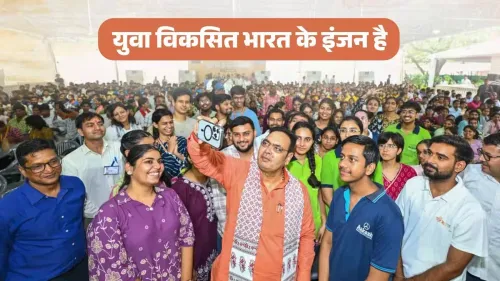
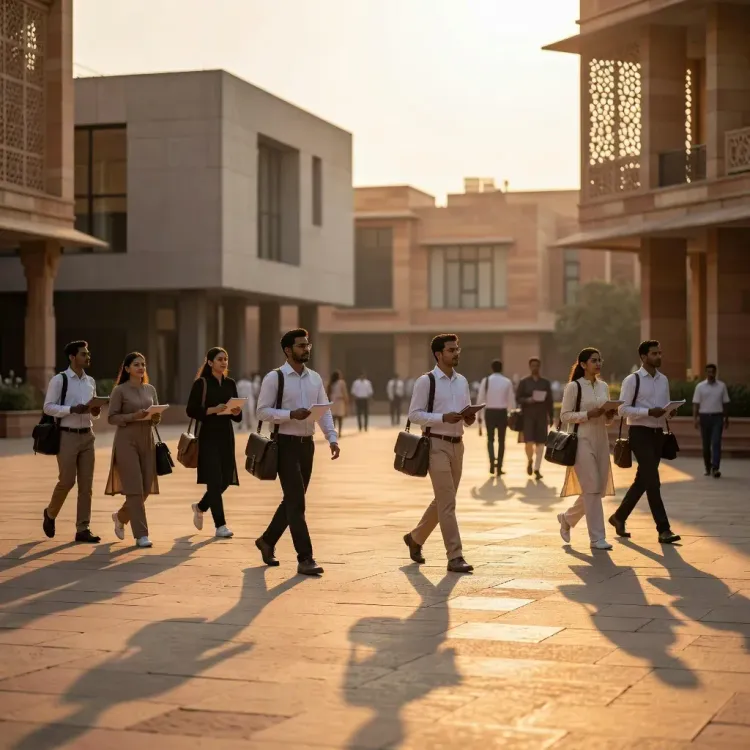
India's demographic edge — the largest youth population on the planet — has a vocal champion in Rajasthan Chief Minister Bhajan Lal Sharma, who on Sunday, 1 November 2026 framed the country's young citizens not as a challenge to be managed but as its single biggest asset.
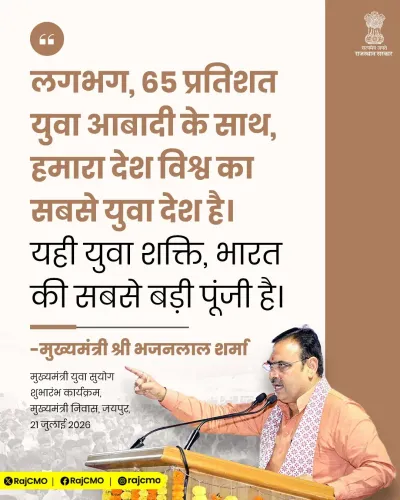
Posting under the hashtag #आपणो_अग्रणी_राजस्थान ('Our Forward Rajasthan'), the Chief Minister's Office of Rajasthan quoted Sharma directly: 'भारत दुनिया के सबसे युवा देशों में से एक है और यही युवा शक्ति भारत की सबसे बड़ी पूंजी है' — 'India is one of the youngest nations in the world, and this youth power is India's greatest capital.'
The demographic dividend argument
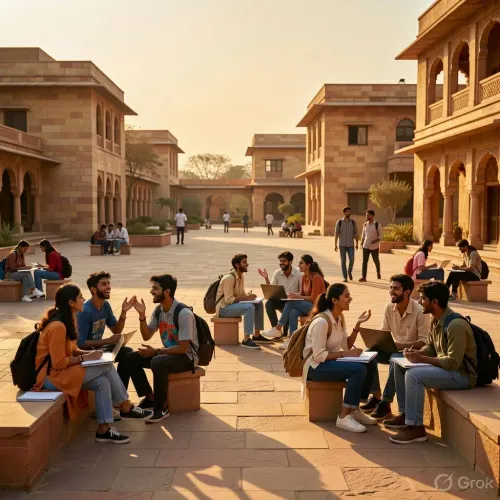
The framing is deliberate and well-worn in Indian political discourse — but it carries real weight. India is home to roughly 600 million people under the age of 25, a cohort larger than the entire population of many continents. Economists and policymakers have long argued that if this generation is skilled and employed, it could power decades of accelerated growth. If it isn't, the same bulge becomes a liability. The stakes of getting youth policy right, in other words, are enormous.
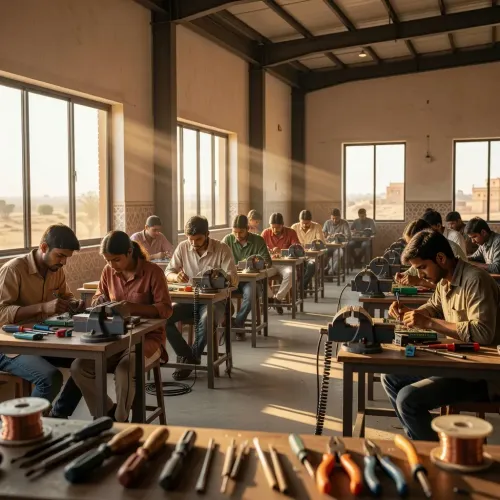
India's National Youth Policy 2014 set the foundational framework — linking youth empowerment to education, skill development, and entrepreneurship. Every administration since has added its own layer: Skill India, Start-up India, PM YUVA. Sharma's messaging signals that Rajasthan intends to align its state machinery firmly with that national narrative.
Rajasthan's 'Agrani' pitch to young voters
Bhajan Lal Sharma took office as Rajasthan's Chief Minister in December 2023, leading a BJP government that has consistently tied its brand to development and youth engagement. The hashtag #आपणो_अग्रणी_राजस्थान — 'Our Leading Rajasthan' — is a recurring campaign motif that casts the state as a front-runner in national progress. Using it alongside a youth-capital message sharpens the implied pitch: that Rajasthan's administration sees harnessing young energy as central to that ambition.
Watch for whether this rhetoric translates into budget allocations for skilling programmes or new state-level linkages to Skill India and similar central schemes in the months ahead. Statements like this are often the public signal before a policy announcement.
Point of View
Tying the Chief Minister's voice to this narrative serves a dual purpose: it aligns the state with the Centre's youth-focused branding while positioning Sharma as a forward-looking leader ahead of any state-level policy announcements. The real test, as always, will be whether budget allocations and scheme rollouts follow the rhetoric. In Indian politics, the gap between 'youth as capital' messaging and actionable investment in youth infrastructure remains a persistent credibility question.
NationPress
1 Nov 2026
Frequently Asked Questions
What did Rajasthan CM Bhajan Lal Sharma say about India's youth?
Sharma said India is one of the youngest nations in the world and that this 'youth power' is the country's greatest capital, in a post by the Chief Minister's Office on 1 November 2026.
What is the hashtag #आपणो_अग्रणी_राजस्थान used for?
The hashtag translates to 'Our Leading Rajasthan' and is a recurring branding campaign of the BJP-led Rajasthan government to position the state as a front-runner in national development.
Who is Bhajan Lal Sharma?
Bhajan Lal Sharma is the Chief Minister of Rajasthan from the Bharatiya Janata Party, having taken office in December 2023.
What is India's National Youth Policy?
India's National Youth Policy 2014 is the central government's framework linking youth empowerment to education, skill development and entrepreneurship, forming the policy backbone for programmes like Skill India.
Why is India called one of the world's youngest nations?
India has one of the largest youth populations globally, with an estimated 600 million people under the age of 25, making it a defining demographic feature of the country's economic and political landscape.