Giriraj Singh hails PM Modi's Ladakh Pavilion visit at Ekta Nagar
Synopsis
Union Textiles Minister Giriraj Singh hailed PM Modi's visit to the Ladakh Pavilion at Ekta Nagar, Gujarat, calling the PM's appreciation of GI-tagged Pashmina and local handicrafts a proud moment for India's artisans and a boost to Vocal for Local and Atmanirbhar Bharat goals.
Key Takeaways
PM Narendra Modi visited the Ladakh Pavilion at Ekta Nagar, Gujarat and appreciated local products, traditional handicrafts, and GI-tagged Pashmina .
Union Textiles Minister Giriraj Singh called the visit 'extremely proud' for the country's artisans and weavers.
Pashmina from Ladakh holds a Geographical Indication (GI) tag , protecting it from imitation and securing livelihoods of Changpa nomad herders .
The visit is framed as advancing the Vocal for Local and Atmanirbhar Bharat agenda, which has included specific support for GI-tagged goods since May 2020 .
Ekta Nagar regularly hosts state pavilions, making it a key national platform for regional craft and cultural display.
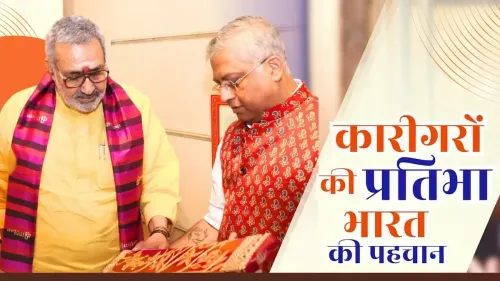
A world-famous wool that has warmed royalty for centuries just got a prime-ministerial spotlight. Union Textiles Minister Giriraj Singh on Sunday, 1 November 2026, applauded Prime Minister Narendra Modi's visit to the Ladakh Pavilion at Ekta Nagar, Gujarat, where the PM personally examined local products, traditional handicrafts, and the globally celebrated GI-tagged Pashmina.
In his post on X, Minister Singh wrote — 'स्थानीय कला, समृद्ध संस्कृति और पारंपरिक बुनकरों को वैश्विक पहचान दिलाने का यह प्रयास वोकल फॉर लोकल और आत्मनिर्भर भारत के संकल्प को नई ऊर्जा प्रदान कर रहा है' — 'This effort to give global recognition to local art, rich culture and traditional weavers is providing fresh energy to the resolve of Vocal for Local and Atmanirbhar Bharat.'
Ekta Nagar as a showcase for India's craft heritage
Ekta Nagar — the Gujarat township built around the Statue of Unity — has steadily evolved into a platform where state and regional pavilions put India's craft traditions in front of millions of visitors each year. The Ladakh Pavilion sits within that larger canvas, displaying products from one of India's most geographically remote and culturally distinct union territories. That a sitting Prime Minister paused to observe and commend those exhibits carries symbolic weight for artisans who rarely see their work acknowledged at the highest level of government.
Pashmina's GI tag and the long road to global recognition
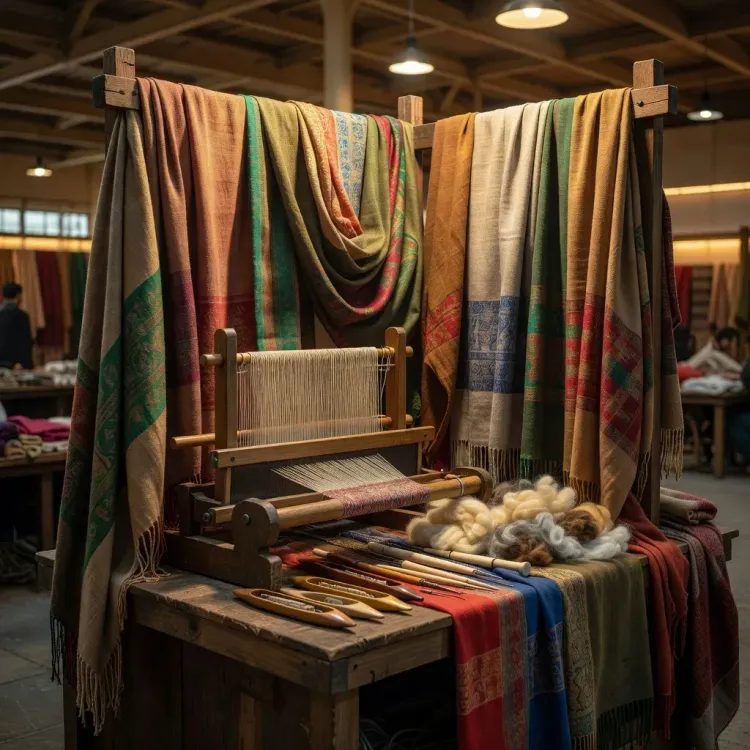
Pashmina — spun from the fine undercoat of the Changthangi goat, reared on the Changthang plateau of Ladakh at altitudes above 14,000 feet — holds one of India's most prized Geographical Indication registrations. The GI tag is designed to protect authentic Ladakhi Pashmina from cheaper machine-spun imitations, securing both the livelihoods of Changpa nomad herders and the premium pricing the fabric commands in international markets. Minister Singh's post frames PM Modi's appreciation as a direct validation of those artisans' craft.
Vocal for Local, Atmanirbhar Bharat, and the textile minister's stake
The Atmanirbhar Bharat initiative, launched in May 2020, embedded specific measures for traditional weavers and GI-tagged goods into a broader self-reliance agenda. The companion Vocal for Local slogan has since become a recurring government rallying call — urging consumers and institutions alike to preference domestic handicrafts over imports. For the Textiles Ministry, which sits at the intersection of GI policy, weaver welfare and export promotion, moments like the Ladakh Pavilion visit translate political messaging into on-ground legitimacy for the sector.
The next Union Budget and parliamentary session are expected to bring updates on GI registrations for Ladakh crafts and possible revisions to textile welfare schemes — making this public gesture from the Prime Minister a signal worth watching for the weaving community.
India's master weavers have waited a long time for the world to come to them. If Ekta Nagar keeps drawing prime ministers to their looms, that wait may finally be over.
Point of View
The BJP signals that cultural diplomacy and artisan welfare are inseparable in its political economy. The choice of Ekta Nagar as the setting is deliberate: a site of national unity symbolism that reinforces Ladakh's integration into the mainland development story. Upcoming Budget and GI-registration decisions will test whether the symbolism converts into measurable gains for Pashmina weavers.
NationPress
1 Nov 2026
Frequently Asked Questions
What is the Ladakh Pavilion at Ekta Nagar?
The Ladakh Pavilion at Ekta Nagar in Gujarat is a dedicated exhibit space at the Statue of Unity complex that showcases traditional products, handicrafts, and GI-tagged goods from the Union Territory of Ladakh to visitors from across India and abroad.
Why is Ladakh Pashmina GI-tagged?
Ladakh Pashmina carries a Geographical Indication tag to authenticate that it is made from the fine wool of Changthangi goats reared on the Changthang plateau, protecting genuine artisans from cheaper machine-made imitations and preserving its international premium value.
What is the Vocal for Local initiative?
Vocal for Local is a government campaign urging Indians to prefer domestically made goods — particularly handicrafts, textiles, and GI-tagged products — over imports, forming a core pillar of the broader Atmanirbhar Bharat self-reliance agenda.
What is Atmanirbhar Bharat and how does it help weavers?
Atmanirbhar Bharat, launched in May 2020, is India's self-reliance initiative that included specific measures to support traditional weavers, expand GI registrations for handicrafts, and boost the export potential of domestic textiles.
What did Giriraj Singh say about PM Modi's visit to the Ladakh Pavilion?
Textiles Minister Giriraj Singh said PM Modi's appreciation of local products and GI-tagged Pashmina at the Ladakh Pavilion was 'extremely proud' for the country's craftspeople, and called it fresh energy for the Vocal for Local and Atmanirbhar Bharat missions.