Giriraj Singh backs Modi's call to spend on local crafts during Amarnath Yatra
Synopsis
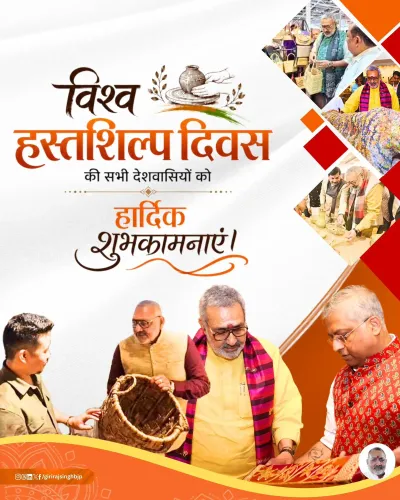
Union Textiles Minister Giriraj Singh endorsed PM Modi's call for Amarnath Yatra pilgrims to spend at least 10 per cent of their budget on local handicrafts, linking the appeal to the Vocal for Local campaign and the Viksit Bharat 2047 vision of citizen-driven national development.
Key Takeaways
Union Textiles Minister Giriraj Singh publicly backed PM Narendra Modi 's appeal on 4 July 2026 via a post on X.
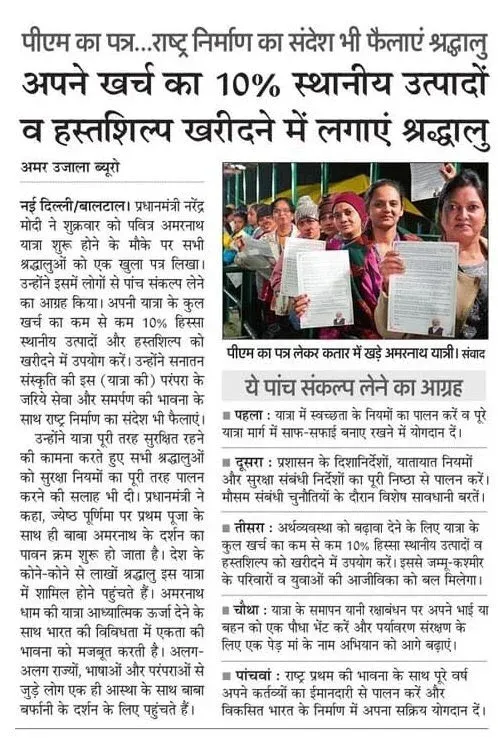
Modi's call asks Amarnath Yatra pilgrims to spend at least 10 per cent of their travel expenditure on local products and handicrafts.
Singh framed the appeal as a means of bringing 'positive change' to millions of artisans and small traders .
The message is anchored in the Vocal for Local initiative launched in 2020 under the Atmanirbhar Bharat package.
Singh linked public participation in local economies to the Viksit Bharat 2047 development roadmap.
Implementation of a formal mechanism for the 10 per cent spend and its impact on Jammu and Kashmir artisans remains to be watched.
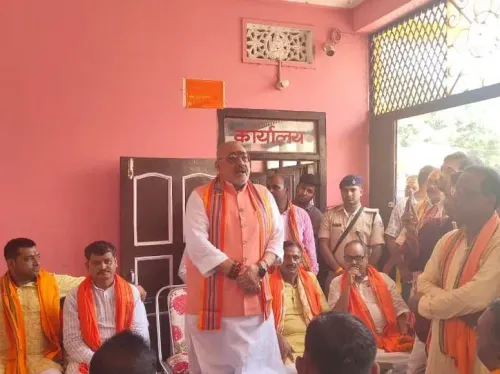
Union Textiles Minister Giriraj Singh on Saturday, 4 July 2026, endorsed Prime Minister Narendra Modi's appeal to pilgrims undertaking the Amarnath Yatra to spend at least 10 per cent of their travel budget on local products and handicrafts, calling the message an inspiring vision of faith, service, and nation-building.
Context
Posting in Hindi on X, Singh wrote that Modi had given a 'motivating message' (prerak sandesh) to make the Amarnath Yatra not merely a journey of faith but also a medium of service and national development. He highlighted the Prime Minister's call for pilgrims to reserve at least 10 per cent of their expenditure for local goods and handicrafts, saying it 'can bring positive change in the lives of millions of artisans and small traders.'
The Amarnath Yatra is one of India's largest annual Hindu pilgrimages, drawing hundreds of thousands of devotees to the Amarnath cave shrine in Jammu and Kashmir each summer. The scale of footfall makes it a significant economic event for the region's craft and trade communities.
Policy Backdrop
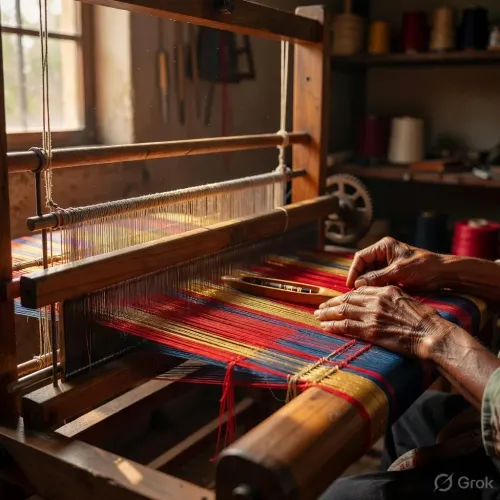
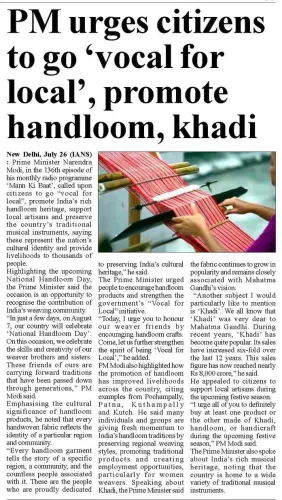
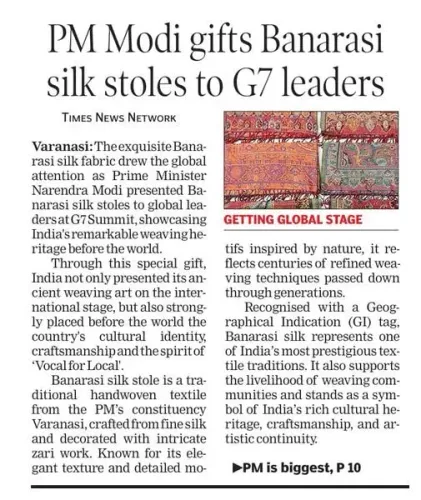
Singh's endorsement connects directly to the Vocal for Local campaign, launched in 2020 as a pillar of the broader Atmanirbhar Bharat package, which sought to boost domestic manufacturing and increase incomes for artisans and small producers. As Union Textiles Minister, Singh oversees a ministry with direct stakes in handloom and handicraft promotion — sectors that stand to benefit materially from any uptick in pilgrim spending.
The post also invokes Viksit Bharat 2047, the government's roadmap for a fully developed India by the centenary of independence. Singh described public participation in local economic activity as 'the greatest strength of Viksit Bharat' (Viksit Bharat ki sabse badi shakti). Indian policy has increasingly framed major pilgrimage circuits as vehicles for rural employment and reduced import dependence since 2014.
Stakeholders and Impact
The communities most directly affected by any sustained shift in pilgrim spending habits are handicraft artisans and small traders in Jammu and Kashmir, whose livelihoods are tightly linked to seasonal tourism flows. A measurable increase in on-ground purchases of local textiles, woodwork, and other crafts could translate into meaningful income gains across the region's MSME ecosystem.
For the Textiles Ministry, the appeal aligns with ongoing efforts to expand market access for weavers and craftspersons under centrally sponsored schemes. Singh's amplification of the Prime Minister's message signals that the ministry may lend institutional weight to promoting J&K handicrafts during the yatra season.
What's Next
Attention will now turn to whether any formal mechanism — such as designated local-product stalls along the yatra route, digital payment tie-ups with artisan clusters, or monitored reporting of craft sales — is put in place to operationalise the 10 per cent spending appeal. The real test of the initiative will be reflected in reported sales data from Jammu and Kashmir artisans at the close of the current yatra season. If measurable gains are recorded, the model could be replicated across other major pilgrimage circuits, deepening the link between religious tourism and local economic development under the Viksit Bharat framework.
Point of View
With Vocal for Local and Atmanirbhar Bharat as the ideological scaffolding. The 10 per cent spend target is rhetorically precise enough to be memorable but vague enough to avoid accountability — the real question is whether institutional machinery follows the social-media push. If it does, the Amarnath corridor could become a replicable template for linking pilgrimage tourism with MSME uplift across India's major shrine circuits.
NationPress
3 Oct 2026
Frequently Asked Questions
What did PM Modi say about Amarnath Yatra and local products?
PM Modi appealed to Amarnath Yatra pilgrims to spend at least 10 per cent of their travel budget on local products and handicrafts, framing the pilgrimage as a means of service and national development alongside religious devotion.
Why did Giriraj Singh post about Amarnath Yatra?
As Union Textiles Minister and a senior BJP leader, Giriraj Singh endorsed PM Modi's appeal because promoting handicrafts and local artisan economies falls directly within his ministry's mandate, and the call aligns with the Vocal for Local campaign.
What is the Vocal for Local campaign?
Vocal for Local is a government initiative launched in 2020 as part of the Atmanirbhar Bharat package to encourage Indians to buy domestically made goods, supporting artisans, weavers, and small manufacturers.
How does Amarnath Yatra benefit local artisans in Jammu and Kashmir?
The yatra draws hundreds of thousands of pilgrims to Jammu and Kashmir each summer, and any sustained increase in pilgrim spending on local crafts, textiles, and goods can significantly boost incomes for artisans and small traders in the region.
What is Viksit Bharat 2047?
Viksit Bharat 2047 is the Indian government's vision for a fully developed nation by 2047, the centenary of independence, which emphasises citizen participation, local economic growth, and reduced dependence on imports.