Giriraj Singh hails Ladakh Pashmina's Lakmé Fashion Week debut
Synopsis
Union Textiles Minister Giriraj Singh applauded the presentation of Ladakh's GI-tagged Pashmina and traditional craftsmanship at Lakmé Fashion Week, framing the event as a livelihood opportunity for Changthang shepherds, weavers, and women entrepreneurs.
Key Takeaways
Union Textiles Minister Giriraj Singh praised Ladakh's Pashmina and heritage craft being showcased at Lakmé Fashion Week on 16 October 2026 .
The initiative aims to connect Changthang nomadic shepherds, local artisans, weavers, and women entrepreneurs with a wider national market.
Ladakh Pashmina holds a Geographical Indication (GI) tag under the GI of Goods Act, 1999, protecting artisan interests and product authenticity.
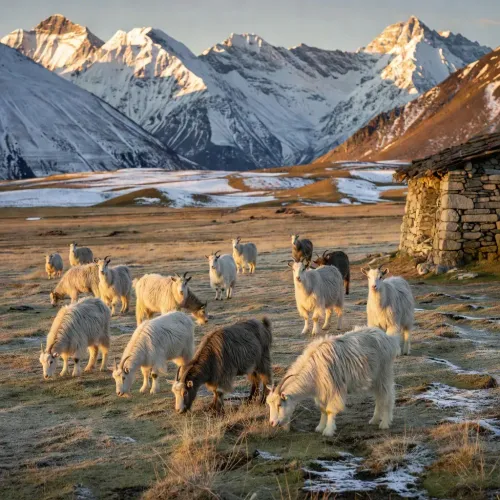
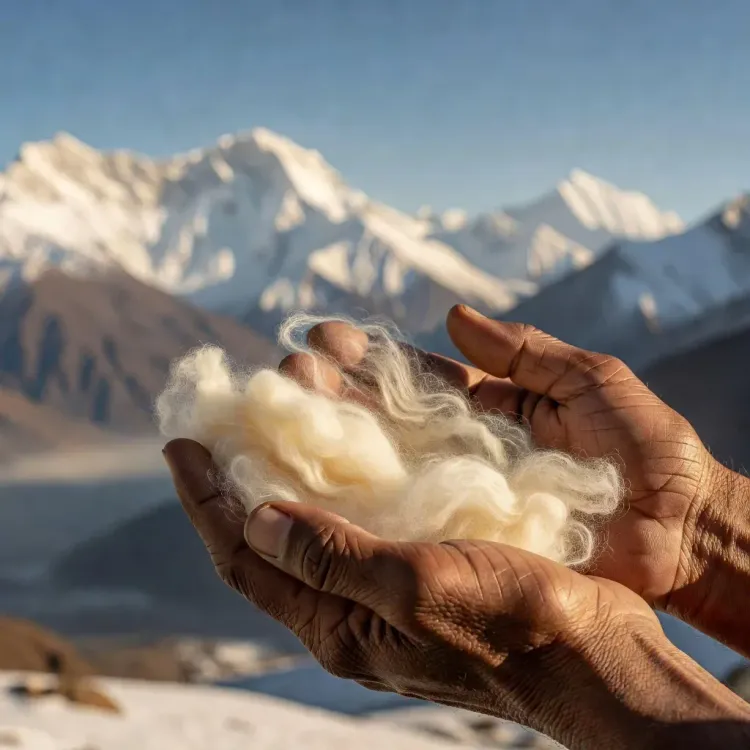
The raw fibre comes from Changthangi goats reared by Changpa pastoralists at altitudes above 4,000 metres in Ladakh's high-altitude plateau.
The move reflects a broader Ministry of Textiles strategy of linking GI-tagged heritage textiles to mainstream commercial and fashion platforms.
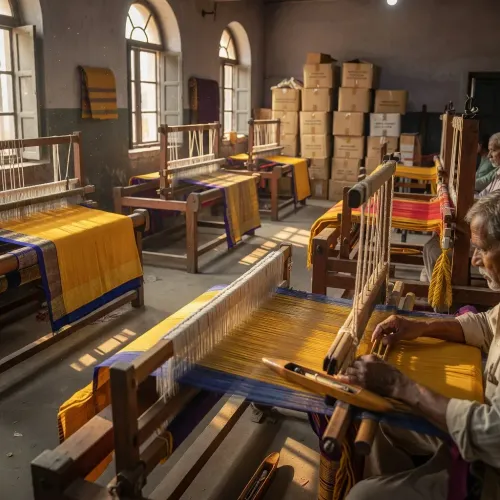
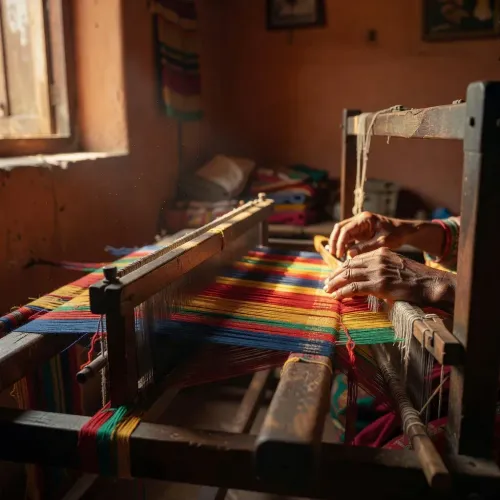
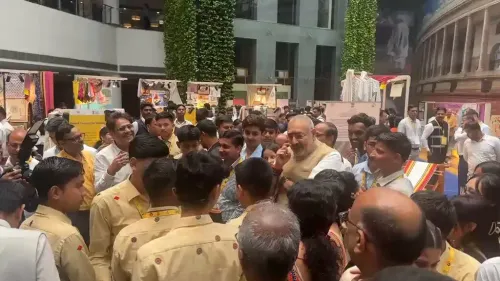
From the wind-swept heights of Changthang to one of India's most-watched fashion stages — Union Textiles Minister Giriraj Singh on Friday, 16 October 2026 praised the showcasing of Ladakh's rich cultural heritage, traditional craftsmanship and Pashmina wool at Lakmé Fashion Week, calling it a commendable initiative that opens a wider market for nomadic shepherds, weavers, artisans, and women entrepreneurs of the region.
Posting in Hindi, the Minister wrote: 'लद्दाख की समृद्ध सांस्कृतिक विरासत, पारंपरिक कारीगरी और पशमीना की बेमिसाल गुणवत्ता को देश के प्रमुख फैशन मंच पर प्रस्तुत करना सराहनीय पहल है' — ('Presenting Ladakh's rich cultural heritage, traditional craftsmanship and the unmatched quality of Pashmina on the country's premier fashion platform is a commendable initiative'). He added that Lakmé Fashion Week is creating an opportunity to carry the skills of Changthang's shepherds, local artisans, weavers, and women entrepreneurs to a broad market and to strengthen their livelihoods.
Changthang's Pashmina: a fibre with a GI tag and a global story
Pashmina from Ladakh is not merely a luxury textile — it carries a legal identity. Under the Geographical Indications of Goods (Registration and Protection) Act, 1999, Ladakh and Kashmir Pashmina received GI registration, a protection designed to prevent counterfeiting and ensure that the economic benefit of the brand flows back to the artisans who create it. The raw fibre originates with the Changpa nomadic pastoralists of Changthang, who rear the Changthangi goat at altitudes above 4,000 metres, hand-combing the ultra-fine undercoat that makes genuine Pashmina among the world's most prized natural fibres.
The journey from that high-altitude plateau to a national runway is precisely what the Ministry of Textiles has been trying to shorten. Successive central governments have worked to link GI-tagged, heritage textiles from Himalayan and remote regions to mainstream commercial platforms — the logic being that visibility translates to demand, and demand translates to a living wage for artisans who have few alternative income streams.
A runway as a livelihood lever
Lakmé Fashion Week is India's premier fashion platform, one that commands designer attention, retail buyer interest, and national media reach. Its stage, historically associated with urban couture, is increasingly being used as a bridge to traditional craft clusters — giving weavers and artisans a moment of national visibility that no government brochure can replicate. For Ladakh's women entrepreneurs and weavers in particular, the exposure opens doors to buyers and collaborations that would otherwise be inaccessible from a remote Union Territory.
Minister Giriraj Singh's post signals ministerial endorsement of this cross-sector model — pairing cultural preservation with market access — as a deliberate strand of textile policy rather than a one-off gesture.
Point of View
Though the real test will be whether runway visibility translates into sustained orders and fair pricing at the source.
NationPress
16 Oct 2026
Frequently Asked Questions
Why is Ladakh Pashmina featured at Lakmé Fashion Week?
Lakmé Fashion Week provides a national commercial platform that connects Ladakh's GI-tagged Pashmina and traditional weavers with mainstream buyers, designers, and retail demand, helping strengthen artisan livelihoods.
What is a GI tag and does Ladakh Pashmina have one?
A Geographical Indication (GI) tag is a legal certification under the GI of Goods Act, 1999, that links a product to its place of origin. Ladakh and Kashmir Pashmina hold GI registration, protecting authenticity and ensuring economic benefits flow to local artisans.
Who are the Changpa shepherds of Changthang?
The Changpa are nomadic pastoralists living in Ladakh's high-altitude Changthang plateau, above 4,000 metres, who rear Changthangi goats and hand-comb their fine undercoat to produce raw Pashmina fibre.
What did Giriraj Singh say about Ladakh at Lakmé Fashion Week?
The Union Textiles Minister called the showcase of Ladakh's cultural heritage, traditional craftsmanship, and Pashmina quality at the fashion platform a commendable initiative that opens a broad market for shepherds, weavers, artisans, and women entrepreneurs.
How does the Textiles Ministry support traditional handloom and craft regions?
The Ministry links GI-tagged and heritage textiles from remote regions like Ladakh to national commercial and fashion platforms, aiming to improve market access, preserve craft traditions, and support artisan livelihoods as part of its broader textiles policy.