CM Bhajan Lal Courts Diaspora in Bengaluru for Rajasthan Investment
Synopsis
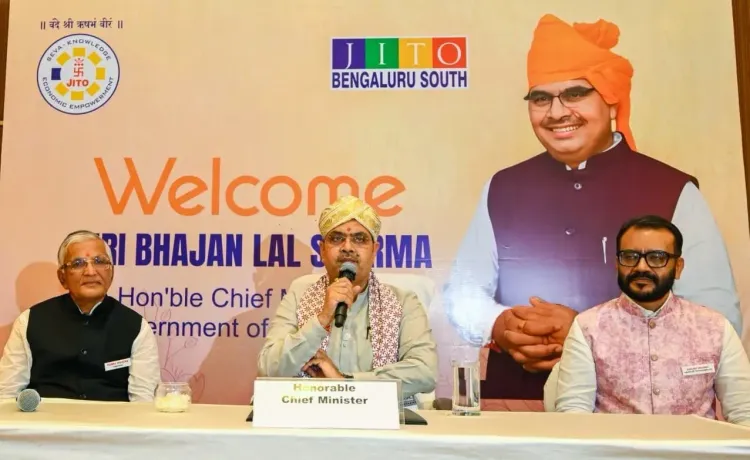
Rajasthan CM Bhajan Lal Sharma met Rajasthan Foundation chapter presidents in Bengaluru on August 9, 2026, to discuss channelling diaspora energy and capital into the state's Viksit Rajasthan 2047 development vision.
Key Takeaways
CM Bhajan Lal Sharma held a structured investment meeting with Rajasthan Foundation chapter heads in Bengaluru on August 9, 2026 .
The talks focused on three pillars: realising Viksit Rajasthan 2047 , promoting state investment, and strengthening diaspora ties to the home state.
The Rajasthan Foundation is a state-backed body with chapters across India and abroad, serving as the institutional link between government and the diaspora.
Viksit Rajasthan 2047 is aligned with PM Modi's national Viksit Bharat 2047 vision of a fully developed India by independence's centenary.
No specific investment commitments from the meeting have been verified; follow-up summits will be the real indicator of outcomes.
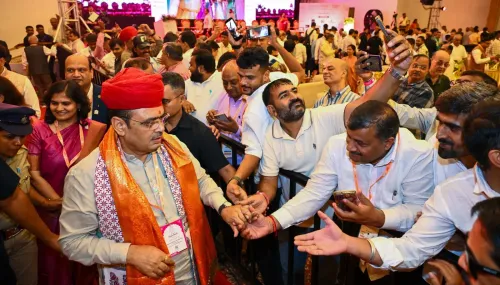
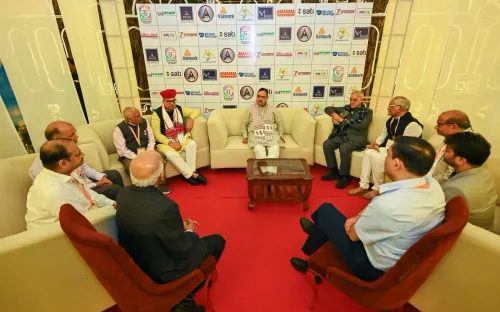
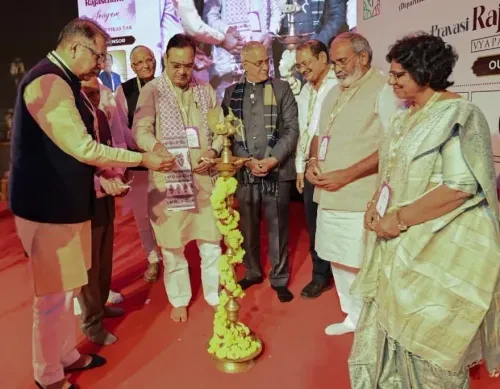
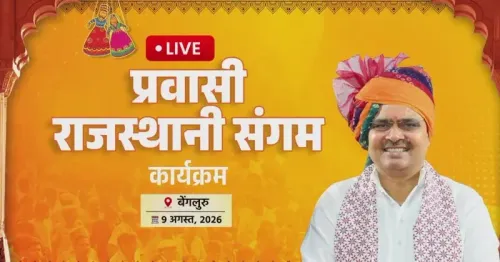
Rajasthan Chief Minister Bhajan Lal Sharma took his state's investment pitch to Bengaluru on Sunday, August 9, 2026, sitting down with chapter heads of the Rajasthan Foundation to map out how the diaspora can fuel the state's economic ambitions — a meeting that signals how seriously Jaipur is courting its own people settled elsewhere.
Sharma shared that discussions centred on three interlocking goals: realising the 'Viksit Rajasthan 2047' vision, accelerating investment into the state, and deepening the emotional and economic ties between pravasi (diaspora) Rajasthanis and their home soil. 'Our goal is that every Rajasthani living in the country or abroad becomes an active participant in this journey of development,' the Chief Minister said.
What the Rajasthan Foundation Does — and Why It Matters
The Rajasthan Foundation is a state-backed body that runs chapters across India and overseas, acting as the institutional bridge between the government and Rajasthanis settled far from home. Its chapter presidents are essentially the first point of contact for diaspora members who want to invest, collaborate, or simply stay connected with state policy. Bringing them into a structured investment conversation — rather than a ceremonial meet — marks a deliberate shift toward mobilising that network for economic outcomes.
Sharma described overseas Rajasthanis as 'strong pillars of the state's progress,' crediting their hard work, loyalty, and entrepreneurial drive for carrying Rajasthan's name across the world. That framing is more than rhetoric: diaspora remittances and investments have historically been a meaningful lever for states with large migrant populations.
Viksit Rajasthan 2047 and the National Blueprint Behind It
The Viksit Rajasthan 2047 framework mirrors Prime Minister Narendra Modi's nationally articulated Viksit Bharat 2047 vision — the goal of transforming India into a fully developed economy by the centenary of its independence. Rajasthan's version translates that macro-ambition into state-level targets, and diaspora capital is emerging as one of the intended engines.
Indian states have long used diaspora networks to channel investment and remittances — Gujarat, Kerala, and Punjab have run well-documented versions of this playbook for decades. Rajasthan's current outreach follows that pattern, but the Bengaluru meeting signals an intent to formalise and scale it under a single long-horizon vision document.
The next test will be whether the conversation in Bengaluru translates into concrete investment commitments at a follow-up summit — or whether Viksit Rajasthan 2047 remains a framework waiting for its first big numbers.
Point of View
India's tech and startup capital, is itself a signal: the audience is not just sentimental expatriates but entrepreneurs and professionals with capital to deploy. The real measure of success will be whether the Rajasthan Foundation's chapter network can convert goodwill into bankable investment pledges at a formal summit — and whether Rajasthan can compete with states like Gujarat that have a longer head-start in this game.
NationPress
10 Aug 2026
Frequently Asked Questions
What is the Rajasthan Foundation?
The Rajasthan Foundation is a state government-backed organisation that maintains chapters across India and internationally to engage with the Rajasthani diaspora, foster investment, and keep overseas Rajasthanis connected to their home state.
What is Viksit Rajasthan 2047?
Viksit Rajasthan 2047 is Rajasthan's state-level development vision aligned with Prime Minister Narendra Modi's national Viksit Bharat 2047 goal of making India a fully developed country by the centenary of independence in 2047.
Why did CM Bhajan Lal Sharma meet in Bengaluru specifically?
Bengaluru is home to a large and economically active Rajasthani diaspora community, and as India's technology and business hub it offers direct access to entrepreneurs and investors — making it a strategic venue for investment outreach.
What was discussed at the Rajasthan Foundation meeting on August 9, 2026?
The meeting covered promoting investment into Rajasthan, advancing the Viksit Rajasthan 2047 vision, and strengthening the connection between the diaspora and their home state so they can actively participate in its development.
How does India's diaspora investment model work for state governments?
Indian states use dedicated foundations and diaspora networks to channel remittances, direct investment, and business partnerships back to the home state. States like Gujarat, Kerala, and Punjab have used this model for decades, and Rajasthan is now scaling its own version under the 2047 framework.