CM Bhajan Lal calls Rajasthani diaspora to invest back home
Synopsis
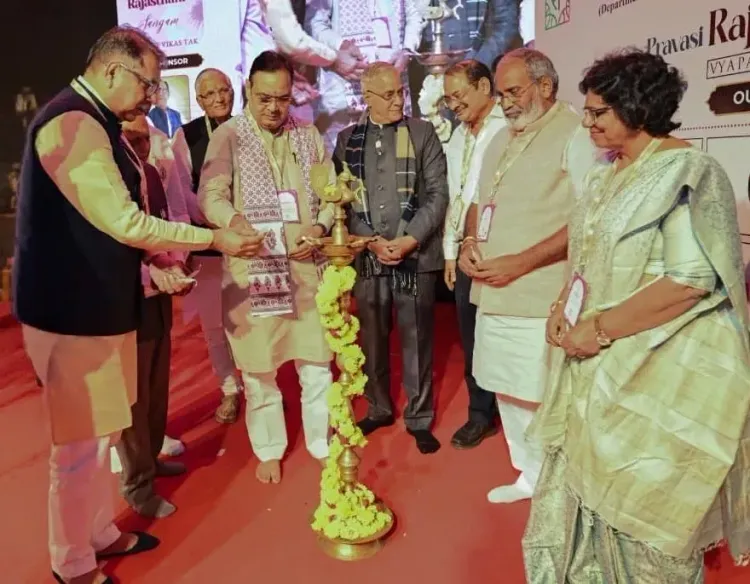
Rajasthan CM Bhajan Lal Sharma addressed the 'Pravasi Rajasthani Sangam' in Bengaluru on 9 August 2026, praising the diaspora's entrepreneurship and urging them to invest in the state under the 'Viksit Rajasthan' vision, with NCW chief Vijaya Rahatkar and Grammy winner Ricky Kej among those present.
Key Takeaways
CM Bhajan Lal Sharma addressed the 'Pravasi Rajasthani Sangam' in Bengaluru on 9 August 2026 .
He called on diaspora entrepreneurs to invest in Rajasthan and help build new industries under the 'Viksit Rajasthan' vision.
National Commission for Women Chairperson Vijaya Rahatkar and Rajya Sabha MPs Satish Poonia and Lahar Singh were among attendees.
Grammy-winning musician and Padma Shri awardee Ricky Kej , based in Bengaluru, also participated in the event.
The conclave follows an established pattern of Indian state governments using diaspora platforms to attract investment and reinforce cultural identity.
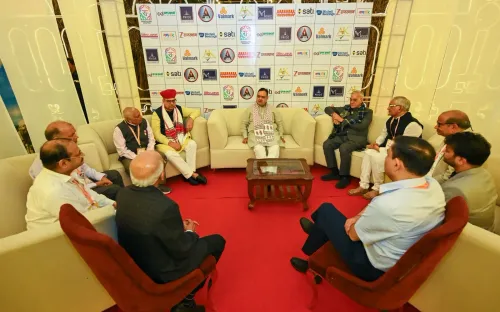
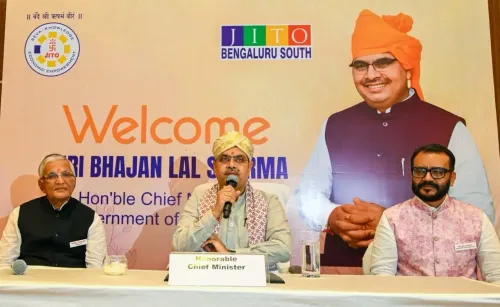
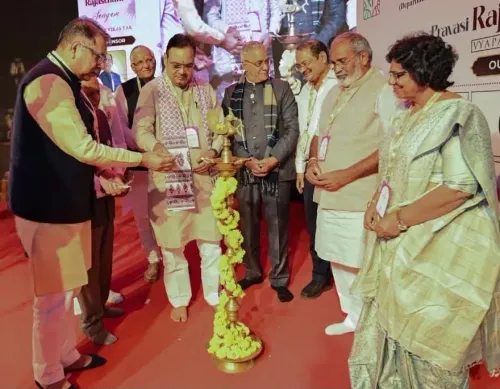
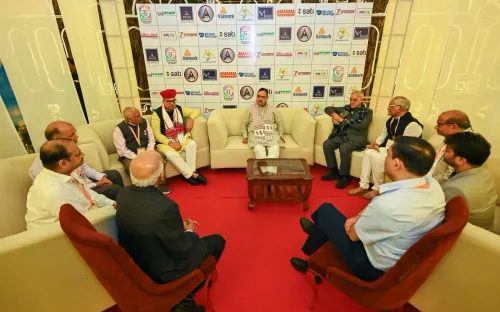
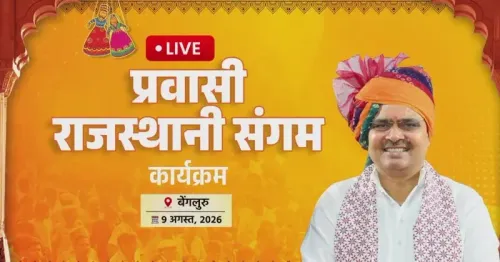
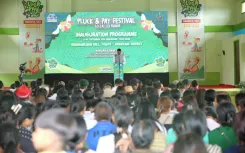
In a city that has become one of India's most powerful engines of enterprise, Rajasthan Chief Minister Bhajan Lal Sharma stood before a gathering of his state's far-flung community on Sunday, 9 August 2026, and made a direct appeal: come back — not just in spirit, but with capital. The occasion was 'Pravasi Rajasthani Sangam' in Bengaluru, a diaspora conclave that brought together entrepreneurs, cultural figures, and elected representatives under one roof.
The pitch from the podium
Speaking to the assembled pravasi bhai-behen (diaspora brothers and sisters), CM Sharma credited the Rajasthani community's 'relentless hard work, exemplary entrepreneurship, and the global identity they have given to Rajasthan's rich culture and traditions' as a source of pride for the entire state. His message then sharpened into an investment call: 'I urge all of you to invest in your homeland, lay the foundation of new industries and opportunities. The government is with you at every step.'
The framing was deliberate — Viksit Rajasthan (Developed Rajasthan), the state government's development vision, was held up as the destination that diaspora 'experience, capital, and innovation' would help reach. It is a vocabulary borrowed from the national Viksit Bharat framework, scaled to the state level.
Who shared the stage in Bengaluru
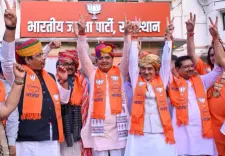
The event drew a notable cross-section of public life. National Commission for Women Chairperson Vijaya Rahatkar was present, as were Rajya Sabha MPs Satish Poonia and Lahar Singh, both BJP figures from Rajasthan. Padma Shri and Grammy-winning musician Ricky Kej — a Bengaluru-based artist whose global profile makes him a natural symbol of the diaspora's cultural reach — also attended. Sachin Pandya, president of the Bengaluru chapter, represented the organising community on the ground.
A well-worn playbook, sharpened for Rajasthan
Diaspora conclaves are a standard instrument in Indian state governments' economic toolkit — a room where cultural pride is converted, at least aspirationally, into investment pledges. Rajasthan has used such platforms before to court its large and commercially active migrant community, which has a significant footprint in sectors from textiles to finance. What makes the 2026 edition notable is the explicit linkage to the Viksit Rajasthan agenda, signalling that the Sharma government intends diaspora capital to be a named pillar of its development story — not a footnote.
The next indicator to watch: whether the Bengaluru conclave produces concrete investment commitments or a follow-up summit closer to home.
Point of View
Not a soft-power afterthought. The presence of NCW Chairperson Vijaya Rahatkar and two Rajya Sabha MPs also gives the event an institutional weight beyond a routine community meet. Whether the pitch converts into announced investments will be the real test of the conclave's political and economic value.
NationPress
24 Sept 2026
Frequently Asked Questions
What is the Pravasi Rajasthani Sangam?
The Pravasi Rajasthani Sangam is a diaspora conclave that brings together Rajasthanis living outside the state to celebrate their cultural ties and discuss opportunities to contribute to Rajasthan's development. The 2026 edition was held in Bengaluru on 9 August.
What did CM Bhajan Lal Sharma say at the Bengaluru event?
CM Sharma praised the Rajasthani diaspora's entrepreneurship and cultural ambassadorship, and urged them to invest in their home state to support the 'Viksit Rajasthan' development vision, assuring them that the government would support them at every step.
Who attended the Pravasi Rajasthani Sangam in Bengaluru?
Attendees included National Commission for Women Chairperson Vijaya Rahatkar, Rajya Sabha MPs Satish Poonia and Lahar Singh, Grammy and Padma Shri recipient Ricky Kej, and Bengaluru chapter president Sachin Pandya, along with entrepreneurs and dignitaries.
What is 'Viksit Rajasthan'?
'Viksit Rajasthan' (Developed Rajasthan) is the Bhajan Lal Sharma government's overarching development vision for the state, aligned with the national 'Viksit Bharat' framework, aiming to accelerate industrial growth and economic opportunity in Rajasthan.
Why does Rajasthan hold diaspora events in cities like Bengaluru?
Bengaluru hosts a large and commercially active Rajasthani community. State governments use such conclaves to leverage diaspora networks for investment, cultural promotion, and economic partnerships that support state development goals.