CM Bhajan Lal Courts Rajasthani Diaspora in Bengaluru for Home-State Investment
Synopsis
Rajasthan CM Bhajan Lal Sharma met diaspora industrialists in Bengaluru on 9 August 2026, urging them to invest back in Rajasthan under the 'Viksit Rajasthan' vision. The BJP government is pitching a favourable business climate to channel migrant community capital into industry and job creation at home.
Key Takeaways
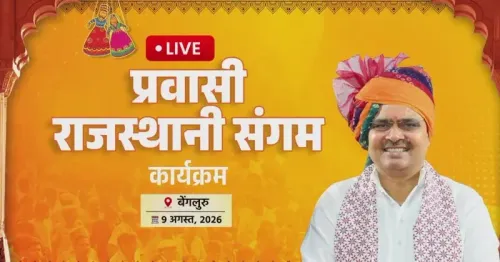
CM Bhajan Lal Sharma held a meeting with Rajasthani diaspora industrialists in Bengaluru on 9 August 2026 .
He urged them to invest in Rajasthan and contribute to the 'Viksit Rajasthan' (Developed Rajasthan) vision.
The government is positioning the state as offering a 'favourable, safe and trustworthy' investment environment.
Bengaluru hosts one of India's largest settled Rajasthani business communities, making it a strategic outreach target.
The diaspora engagement model mirrors approaches used by Gujarat and Tamil Nadu under the national Make in India framework.
No specific investment commitments from the meeting have been confirmed; follow-up policy steps are the key indicator to watch.
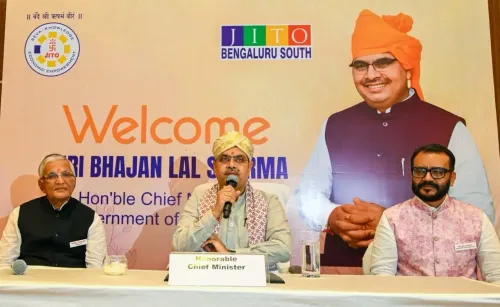
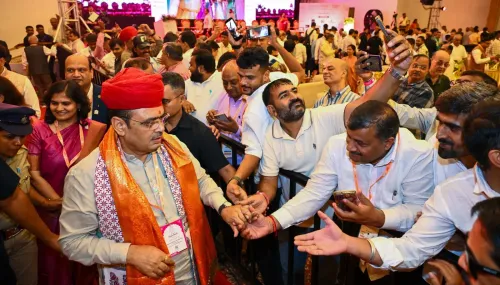
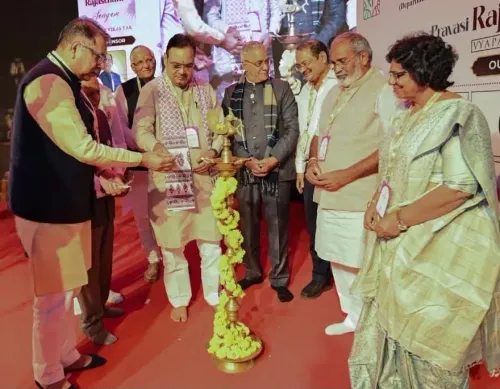
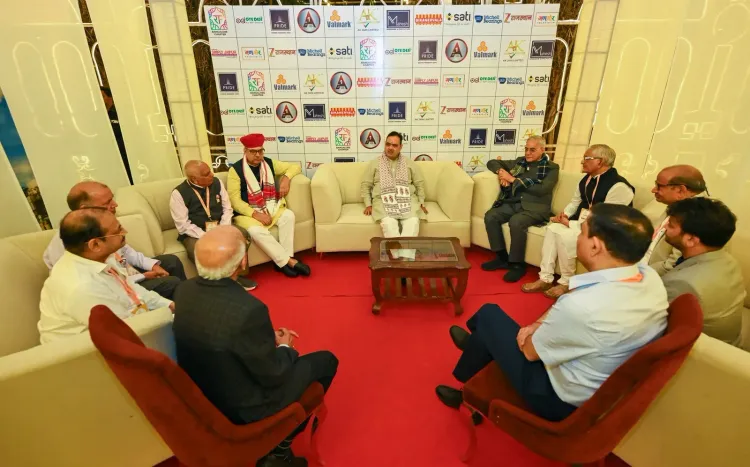
In a city that has become one of India's most powerful engines of private capital, Rajasthan Chief Minister Bhajan Lal Sharma on Sunday, 9 August 2026 sat down with Rajasthani diaspora industrialists settled in Bengaluru — urging them to turn their commercial success outward and invest back in the land they came from.
The Chief Minister's appeal was direct: 'apni jadon se judkar matrubhumi mein nivesh karein' ('connect with your roots and invest in the motherland'). He framed the meeting around new investment opportunities and industrial prospects in Rajasthan, telling attendees that his government is actively building a 'favourable, safe and trustworthy environment' for industry establishment and job creation in the state.
Why Bengaluru, and Why Now
Bengaluru is home to one of the largest concentrations of settled Rajasthani business families outside the state — traders, manufacturers, and entrepreneurs who migrated over decades and built significant capital in Karnataka's commercial ecosystem. Reaching them in their adopted city is deliberate strategy, not coincidence.
Indian states have long competed for the attention of their own diaspora industrialists, and Rajasthan is now playing that game with urgency. Since the BJP government came to power after the December 2023 assembly elections, improving the ease of doing business and attracting domestic investment have been stated priorities. The Bengaluru outreach fits squarely into that post-election policy push.
The 'Viksit Rajasthan' Pitch
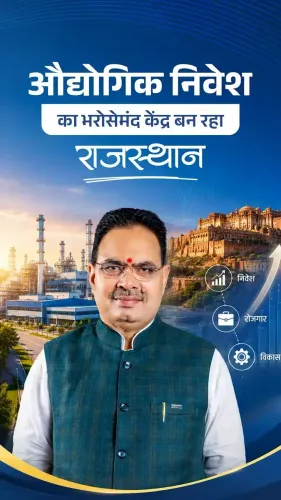
Sharma explicitly tied his appeal to the state's flagship vision — 'Viksit Rajasthan' (Developed Rajasthan) — a framework centred on investment inflows, industrial setup, and employment generation. He called on every diaspora Rajasthani to become a participant in realising that goal, framing investment not merely as a business decision but as a contribution to the state's development story.
The model is not new. States like Gujarat and Tamil Nadu have run structured diaspora-engagement programmes for years, channelling migrant community capital into local manufacturing and infrastructure under the national Make in India framework. Rajasthan is now sharpening a similar playbook — and the sub-national competition for that capital is intensifying.
What Follows the Room
Meetings of this kind are the opening move, not the closing one. The real test will be whether they translate into formal investment commitments, single-window clearance reforms, or an investor summit on the Rajasthan calendar in the months ahead. The diaspora industrialists in that Bengaluru room have the capital; the question Sharma's government must now answer is whether the state's regulatory environment is ready to receive it.
For a state that has historically punched below its economic weight relative to its geographic size, converting diaspora goodwill into factory floors and jobs would be a meaningful inflection point.
Point of View
Existing business networks, and an emotional pull toward their home state. The 'Viksit Rajasthan' branding also aligns the state-level push with Prime Minister Modi's 'Viksit Bharat 2047' national narrative, giving the outreach ideological coherence within the BJP's broader development story. The real test, however, is institutional — whether Rajasthan's regulatory machinery can deliver the single-window ease and legal certainty that serious investors demand before sentiment converts into signed cheques.
NationPress
10 Aug 2026
Frequently Asked Questions
Why did CM Bhajan Lal Sharma visit Bengaluru to meet investors?
Bengaluru has a large and wealthy settled Rajasthani business community. CM Sharma travelled there on 9 August 2026 to personally appeal to diaspora industrialists to invest back in Rajasthan, as part of the state government's drive to attract domestic capital and create jobs.
What is 'Viksit Rajasthan'?
'Viksit Rajasthan' (Developed Rajasthan) is the BJP state government's flagship development vision, centred on attracting investment, setting up industries, and generating employment across the state.
What did CM Bhajan Lal Sharma ask diaspora Rajasthanis to do?
He urged them to reconnect with their roots and invest in their home state, framing participation in Rajasthan's economic growth as both a business opportunity and a contribution to the 'Viksit Rajasthan' goal.
Is this kind of diaspora outreach common among Indian states?
Yes. States like Gujarat and Tamil Nadu have long run structured programmes to channel migrant community capital into local industry. Rajasthan's Bengaluru outreach follows the same established model within the national Make in India framework.
What investment commitments came out of the Bengaluru meeting?
No specific investment commitments from the meeting have been publicly confirmed. Analysts will watch for follow-up announcements such as investor summits, single-window clearance reforms, or formal MoUs in the coming months.