CM Bhajan Lal hails Modi's free online coaching for poor youth
Synopsis
On Independence Day 2026, Rajasthan CM Bhajan Lal Sharma praised PM Modi's decision to offer free online coaching for competitive exams to poor and middle-class youth, calling it a historic step toward educational equality and opportunity.
Key Takeaways
Rajasthan CM Bhajan Lal Sharma endorsed PM Narendra Modi 's free online coaching initiative on 15 August 2026 .
The scheme targets poor and middle-class youth preparing for competitive exams such as UPSC and SSC .
Private coaching costs in India can range from ₹50,000 to ₹2 lakh annually, pricing out millions of aspirants.
The government previously launched the SWAYAM platform in 2017 for free digital courses; this initiative sharpens focus on exam preparation.
The National Education Policy 2020 laid the framework for digital, equitable education delivery that underpins such moves.
Details on eligible exams, registration, and platform rollout are pending from the Ministry of Education .
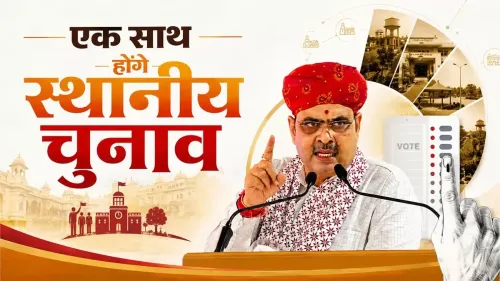
On Independence Day, 15 August 2026, Rajasthan Chief Minister Bhajan Lal Sharma called Prime Minister Narendra Modi's decision to provide free online coaching for competitive exams to poor and middle-class youth a 'historic step' toward equality in education and opportunity. The announcement lands on a day when aspirational rhetoric meets a very real pressure point: the crippling cost of private coaching that gates lakhs of young Indians out of public-sector careers before the race even begins.
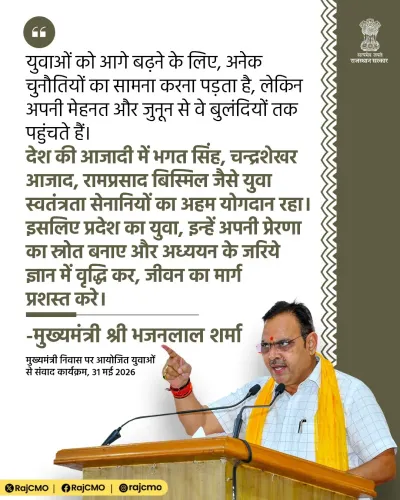
Sharma wrote that the decision would 'reduce the financial burden of coaching and give a new flight to the dreams of the country's youth, providing them new avenues of success.' The post, in Hindi, frames the move as a structural equaliser — not a subsidy, but a levelling of the field.
The coaching economy's chokehold on competitive aspirants
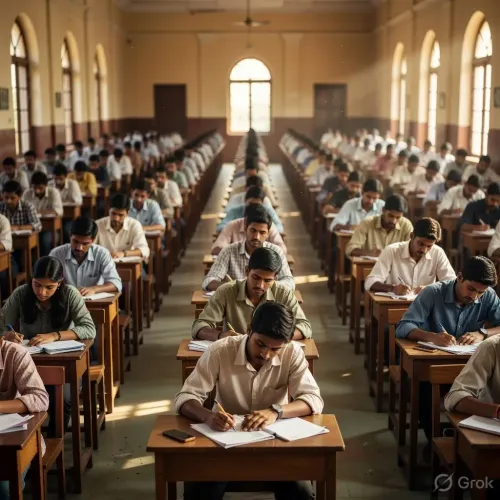
For millions of families outside Kota, Delhi, and Hyderabad — India's coaching capitals — preparing for exams like UPSC, SSC, and state PSCs means either relocating or spending anywhere from ₹50,000 to ₹2 lakh annually on private institutes. That cost alone eliminates vast swathes of rural and semi-urban aspirants before a single question is answered. The free online coaching initiative, if delivered at scale, directly targets this chokepoint.
The Central government has previously used platforms like SWAYAM — launched in 2017 — to offer free courses from premier institutions. The National Education Policy 2020 also set explicit goals around digital delivery and reducing coaching-linked inequality. The new decision appears to sharpen that focus specifically on competitive exam preparation, though the Ministry of Education's detailed notification on eligible exams, registration, and platform architecture is still awaited.
BJP's equity framing — and what it signals politically
Sharma's endorsement is not incidental. Rajasthan has a large population of competitive exam aspirants, and coaching costs are a live political issue in the state. By amplifying this as a 'historic decision' on Independence Day, the BJP threads education access into its broader welfare narrative — one that positions the party as the enabler of meritocracy for families who cannot buy their way into opportunity.
The framing also answers a persistent critique: that India's public employment pipeline disproportionately rewards those with the means to afford preparation. A credible free coaching platform, delivered digitally, would be a meaningful counter to that charge — provided implementation matches intent.
The real test comes when the platform goes live: whether coverage spans regional languages, whether bandwidth reaches aspirants in Barmer, Bundi, and Bharatpur as readily as in Jaipur, and whether the curriculum quality can genuinely compete with the private institutes it aims to displace.
Point of View
If implemented robustly, represents a meaningful structural intervention in India's deeply unequal competitive exam ecosystem — one where geography and family income have long determined access to quality preparation. Sharma's vocal support on Independence Day is deliberate political signalling: Rajasthan's vast aspirant population makes coaching costs an election-relevant issue, and aligning with this announcement reinforces the BJP's welfare-and-meritocracy narrative heading into future electoral cycles. The broader arc here is the Central government's incremental shift from physical infrastructure to digital access as the primary lever of educational equity. The credibility of that shift will ultimately rest on implementation depth — language coverage, rural connectivity, and curriculum quality — not on the announcement alone.
NationPress
15 Aug 2026
Frequently Asked Questions
What is PM Modi's free online coaching scheme for competitive exams?
The scheme announced by Prime Minister Narendra Modi aims to provide free online coaching for competitive exams like UPSC and SSC to youth from poor and middle-class families, reducing the financial burden of private coaching institutes.
Which exams will be covered under the free online coaching initiative?
The specific exams to be covered have not yet been officially detailed. A Ministry of Education notification is expected to clarify eligible exams, the platform, and the registration process.
What did Rajasthan CM Bhajan Lal Sharma say about the coaching scheme?
Bhajan Lal Sharma called it a 'historic decision' that would reduce the economic burden of coaching and give youth from poor and middle-class families new opportunities to succeed in competitive exams.
How does this relate to existing government platforms like SWAYAM?
SWAYAM, launched in 2017, already offers free online courses from premier institutions. The new initiative appears to build on that foundation with a sharper focus on competitive exam preparation for public employment.
How does the National Education Policy 2020 connect to this initiative?
The NEP 2020 set explicit goals for equitable, digitally delivered education and reducing coaching-linked disparities, providing the policy framework within which this free coaching initiative sits.