CM Bhajan Lal visits Sant Govind Guru's birthplace Bansiya
Synopsis
Rajasthan Chief Minister Bhajan Lal Sharma visited Bansiya on 22 May 2026, paying homage at the birthplace of Sant Govind Guru — the early 20th-century Bhil reformer and freedom fighter — and invoking his ideals of education, social awakening, and national service.
Key Takeaways
CM Bhajan Lal Sharma visited Bansiya , the birthplace of Sant Govind Guru , on 22 May 2026 .
Sant Govind Guru led the Bhagat movement among Bhil tribes in southern Rajasthan, championing education, temperance, and self-respect.
The Chief Minister paid tribute at the site and recalled the saint's ideals of patriotism, social consciousness, and public welfare.
The visit is significant for tribal communities in the Dungarpur-Banswara belt, a region with a large Scheduled Tribe population.
Rajasthan governments have periodically honoured Sant Govind Guru through memorials and state functions since the state's formation.
Observers are watching for possible tribal education or welfare scheme announcements linked to the visit.
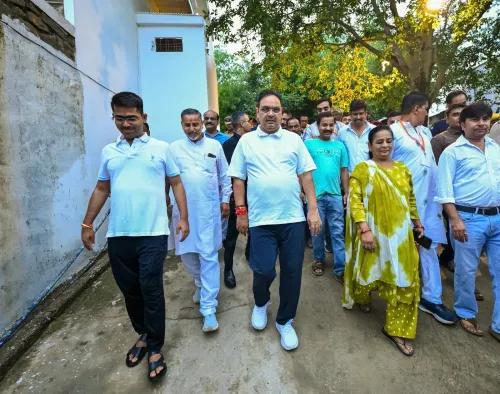
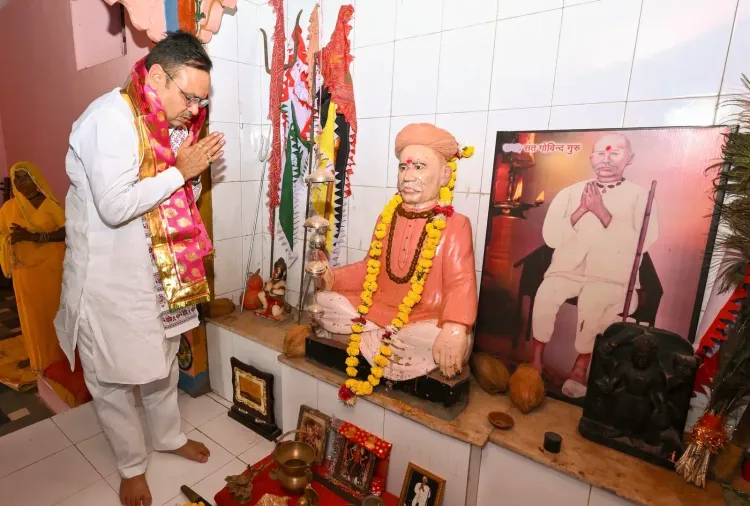
Rajasthan Chief Minister Bhajan Lal Sharma visited Bansiya, the birthplace of freedom fighter and social reformer Sant Govind Guru, on Friday, 22 May 2026, paying tribute to the revered saint and reflecting on his legacy of tribal awakening, national service, and social reform.
Sharing his visit on social media, the Chief Minister wrote: 'Aaj mahan swatantrata senani, samaj sudharak evam janjaagran ke agradoot pujya Sant Govind Guru ji ki janmasthaali Baansiya jaane ka saubhagya prapt hua' — 'Today I had the privilege of visiting Bansiya, the birthplace of the great freedom fighter, social reformer, and pioneer of public awakening, revered Sant Govind Guru Ji.' He added that he offered respectful homage at the sacred site and recalled the saint's ideals of patriotism, social consciousness, and public welfare.
Context
Sant Govind Guru was an early 20th-century reformer who led the Bhagat movement among the Bhil tribes of southern Rajasthan, championing education, temperance, and self-respect at a time when tribal communities faced deep social and economic marginalisation. His life's work — spanning anti-liquor campaigns, moral reform, and grassroots mobilisation — made him a defining figure in the region's pre-independence history. Bansiya village in Rajasthan is recognised as his birthplace and holds symbolic importance for tribal communities across the state.
Policy Backdrop
Rajasthan governments have periodically honoured Sant Govind Guru through memorials, state functions, and educational initiatives since the state's formation, acknowledging his foundational role in tribal welfare. CM Sharma, who took office in December 2023 following the BJP's victory in the state assembly elections, has continued this tradition of integrating tribal histories into the mainstream public narrative. Such commemorations in the Dungarpur-Banswara belt — the heartland of Bhil heritage — carry both cultural and political resonance, as the region remains home to a significant Scheduled Tribe population.
Stakeholders and Impact
The visit carries direct significance for tribal communities, particularly the Bhil population of southern Rajasthan, for whom Sant Govind Guru represents an enduring symbol of dignity and resistance. Bhil youth and tribal organisations in the region have long sought greater state recognition of the saint's contributions to education and social awakening. The Chief Minister's pilgrimage to Bansiya signals continued governmental attention to tribal identity and heritage in the current assembly term.
What's Next
Observers will watch for any follow-up policy announcements — particularly around tribal education or welfare schemes — in the Dungarpur-Banswara corridor in the coming weeks. State-level commemorative functions marking Sant Govind Guru's birth anniversary have historically served as platforms for unveiling welfare initiatives targeting Scheduled Tribe communities. Whether this visit translates into concrete programme rollouts will be closely tracked by tribal rights groups and political analysts across Rajasthan.
The Chief Minister's tribute underscores a broader BJP effort to weave regional tribal reformers into the party's national narrative of inclusive patriotism — a pattern likely to intensify as Rajasthan's tribal belt remains an electorally and socially pivotal geography.
Point of View
Sharma elevates the gesture beyond ceremonial tribute into a statement of governance intent for the tribal belt. This fits a wider BJP pattern of reclaiming regional tribal icons to build durable social coalitions in Scheduled Tribe-heavy constituencies ahead of future electoral cycles. The real test will be whether the visit is followed by tangible welfare or education initiatives in the Dungarpur-Banswara corridor.
NationPress
22 Sept 2026
Frequently Asked Questions
Who is Sant Govind Guru and why is he important?
Sant Govind Guru was an early 20th-century freedom fighter and social reformer who led the Bhagat movement among Bhil tribes in southern Rajasthan, promoting education, anti-liquor campaigns, and social self-respect. He is regarded as a foundational figure in tribal history and pre-independence resistance in the region.
Where is Bansiya village and what is its significance?
Bansiya is a village in Rajasthan recognised as the birthplace of Sant Govind Guru. It holds deep cultural and historical importance for tribal communities, particularly the Bhil people of the Dungarpur-Banswara belt.
Why did CM Bhajan Lal Sharma visit Bansiya?
CM Bhajan Lal Sharma visited Bansiya on 22 May 2026 to pay tribute to Sant Govind Guru at his birthplace, recalling the saint's ideals of patriotism, social consciousness, and public welfare.
What is the Bhagat movement associated with Sant Govind Guru?
The Bhagat movement was a grassroots social reform campaign led by Sant Govind Guru among Bhil tribal communities in southern Rajasthan, focused on education, temperance, moral uplift, and awakening a sense of self-respect and national identity.
What policy actions might follow CM Sharma's visit to Bansiya?
Observers are watching for possible announcements of tribal education or welfare schemes in the Dungarpur-Banswara region, as such visits by Rajasthan leaders have historically served as platforms for unveiling new initiatives targeting Scheduled Tribe communities.