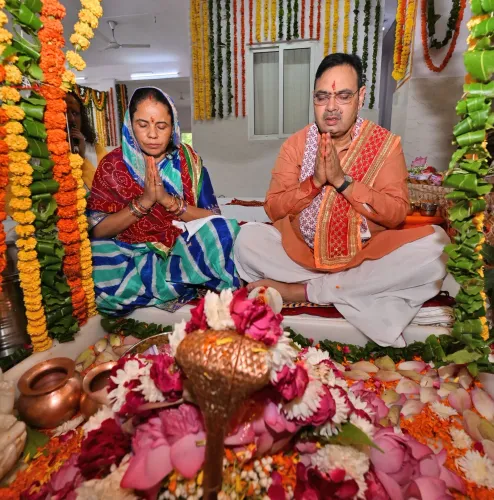
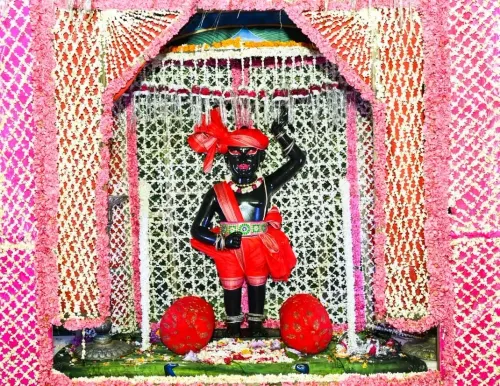
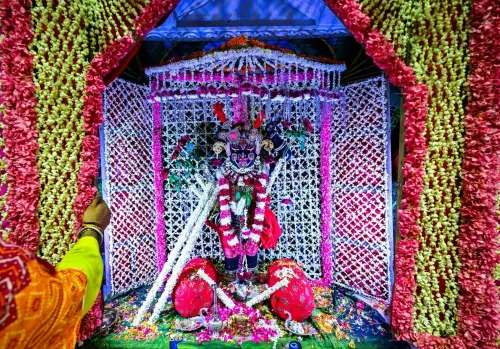
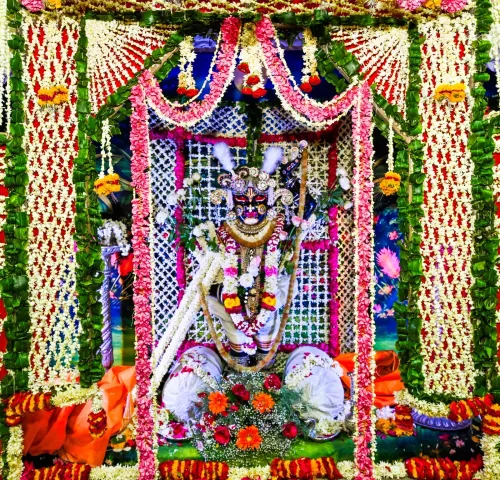
CM Bhajan Lal pays tribute to Maa Chamunda Devi of Jodhpur
Synopsis
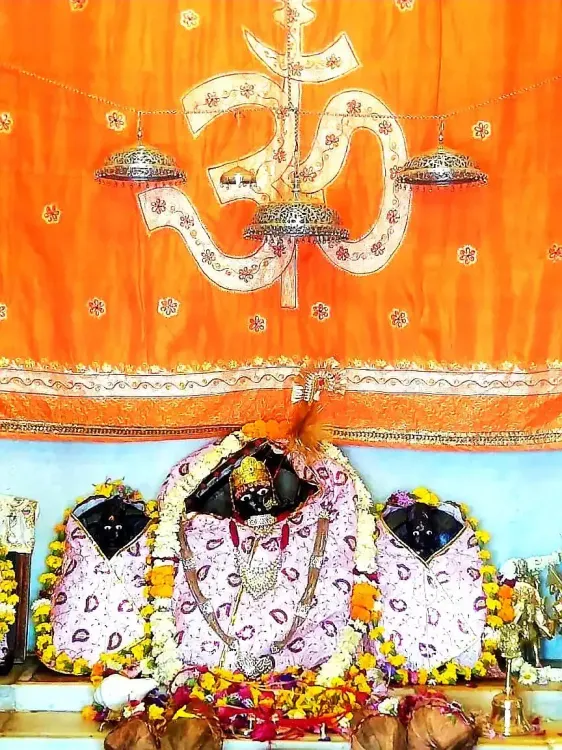
Rajasthan CM Bhajan Lal Sharma offered reverence to Maa Chamunda Devi at Jodhpur's Mehrangarh Fort, calling the shrine a symbol of Marwar's cultural heritage and praying for prosperity and progress across Rajasthan.
Key Takeaways
Rajasthan Chief Minister Bhajan Lal Sharma posted a devotional tribute to Maa Chamunda Devi on 15 October 2026 .
The Chamunda Devi temple is located inside the historic Mehrangarh Fort in Jodhpur , a 15th-century fortress in western Rajasthan.
Sharma described the temple as a symbol of Marwar's rich cultural heritage and the deep faith of the region's people.
He prayed for happiness, peace, and prosperity for every family and for Rajasthan's continued progress.
The post reflects a broader pattern of Indian chief ministers engaging publicly with local religious and cultural heritage sites.
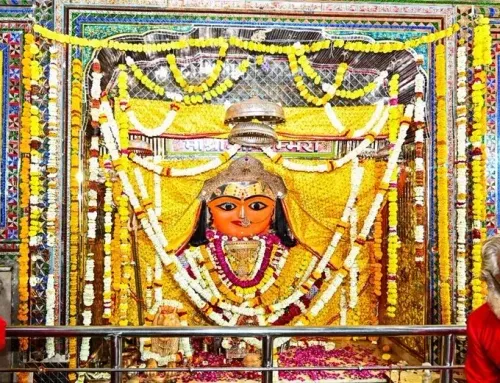
Rajasthan Chief Minister Bhajan Lal Sharma turned to the sacred precincts of Mehrangarh Fort on Thursday morning to offer his reverence to Maa Chamunda Devi, invoking the goddess's blessings for peace, prosperity, and progress across the state.
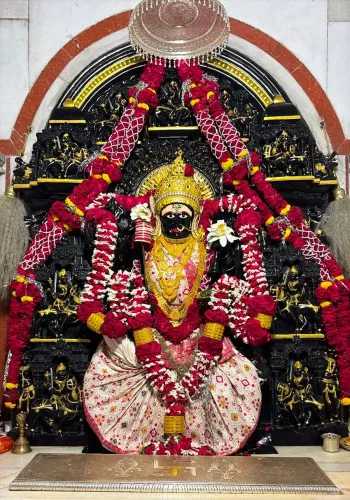
In a devotional post shared on 15 October 2026, CM Bhajan Lal Sharma wrote: 'जोधपुर की पावन धरा पर स्थित माँ चामुंडा देवी के श्रीचरणों में कोटि-कोटि नमन!' — 'A million salutations at the sacred feet of Maa Chamunda Devi, enshrined on the holy land of Jodhpur.' He described the temple as a symbol of Marwar's rich cultural heritage and the deep faith of its people, praying that the goddess's divine grace bring happiness, peace, and prosperity to every family in Rajasthan.
Chamunda Devi's temple inside Mehrangarh Fort is one of the most venerated shrines in western Rajasthan. Situated within the walls of the 15th-century Mehrangarh Fort in Jodhpur — the seat of the former princely state of Marwar — the temple draws devotees from across the region who regard the goddess as a presiding protector of the land. Mehrangarh itself, towering over the Blue City, is among India's most iconic historic fortresses and a living emblem of Rajputana heritage.
Sharma's post also carried a collective prayer: that Maa Chamunda fulfil the wishes of all residents of Rajasthan and that the state continue to advance on a path of uninterrupted progress and prosperity.
Point of View
Blending religiosity with regional pride. For Bhajan Lal Sharma, honouring the Chamunda Devi temple at Mehrangarh Fort reinforces the BJP's alignment with Rajasthan's deep-rooted devotional traditions and the identity of the Marwar belt. The tribute carries no direct policy dimension, but it sustains a continuous cultural narrative that connects the ruling government to the state's spiritual heritage. In a state where religious festivals and temple politics carry significant social weight, such gestures quietly but deliberately consolidate goodwill among devout communities.
NationPress
15 Oct 2026
Frequently Asked Questions
Where is the Maa Chamunda Devi temple in Jodhpur?
The Maa Chamunda Devi temple is located inside the 15th-century Mehrangarh Fort in Jodhpur, one of Rajasthan's most iconic historic fortresses.
Who is Maa Chamunda Devi?
Maa Chamunda Devi is a revered Hindu goddess widely worshipped across Rajasthan, regarded as a presiding protector of the Marwar region and its people.
What did Rajasthan CM Bhajan Lal Sharma post about Chamunda Devi?
CM Bhajan Lal Sharma offered devotional tribute to Maa Chamunda Devi on 15 October 2026, calling her temple at Mehrangarh Fort a symbol of Marwar's cultural heritage and praying for peace, prosperity, and progress for all Rajasthan residents.
What is the significance of Mehrangarh Fort?
Mehrangarh Fort is a 15th-century fortress in Jodhpur that served as the seat of the former princely state of Marwar; it houses the Chamunda Devi temple and is a defining symbol of Rajputana heritage.
Why do Indian chief ministers post devotional messages on social media?
Indian chief ministers routinely share devotional content to publicly acknowledge local religious sites, connect with devout communities, and reinforce cultural identity — it forms part of routine public engagement rather than policy announcements.