CM Bhajan Lal Sharma: India now honours its heroes with indigenous pride
Synopsis
On Janjatiya Gaurav Divas, Rajasthan CM Bhajan Lal Sharma quoted PM Modi to argue that India has moved from a foreign-influenced commemorative lens to one rooted in indigenous pride — a central thread of BJP cultural messaging since 2014.
Key Takeaways
Rajasthan CM Bhajan Lal Sharma posted a quote from PM Narendra Modi on 15 November 2026 emphasising India's shift to indigenous cultural self-respect.
The post argues that festivals and national days once shaped by a 'foreign lens' are now observed through a framework of swadeshi pride.
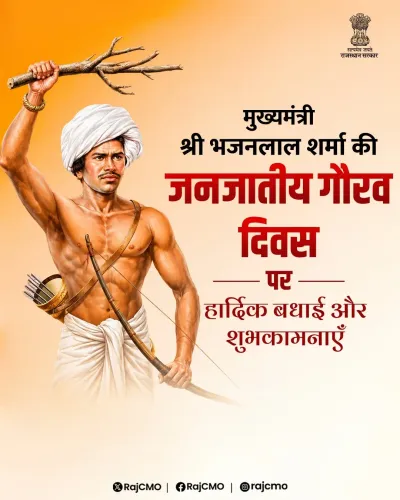
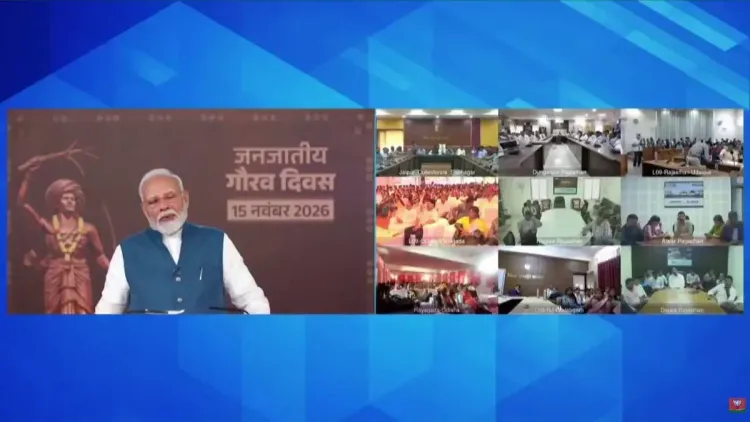
The date — Janjatiya Gaurav Divas — marks the birth anniversary of tribal freedom fighter Birsa Munda , institutionalised as a national observance in 2021 .
This cultural reclamation narrative has been a consistent pillar of BJP communication since 2014 , manifesting in renaming exercises, new national days, and revised historical emphases.
Sharma's amplification of a central government message reinforces the BJP's unified cultural narrative across state and national leadership.
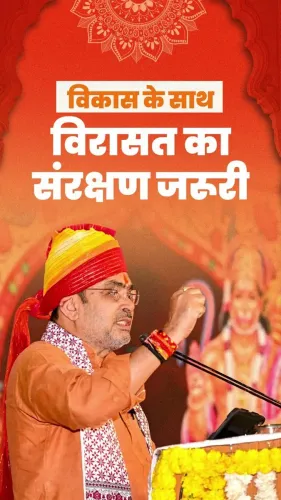
India's commemorative calendar — once shaped by colonial and foreign frameworks, according to the BJP — is undergoing a quiet but deliberate cultural recalibration. Rajasthan Chief Minister Bhajan Lal Sharma made that argument plainly on Sunday, 15 November 2026, quoting Prime Minister Narendra Modi in a post that reframed how the country remembers its past.
Citing Modi, Sharma wrote: 'एक समय था जब हमारे देश में अनेक दिवस और उत्सव विदेशी दृष्टिकोण से तय होते थे' — 'There was a time when many days and festivals in our country were determined by a foreign lens.' The contrast he drew was pointed: today, he said, India remembers its heritage, its history, and its heroes 'स्वदेशी स्वाभिमान के साथ गौरवपूर्वक' — 'with indigenous self-respect and pride.'
A narrative that runs back to 2014
The sentiment Sharma amplified is not new — it is a cornerstone of the BJP's cultural communication since 2014. The party has consistently argued that post-independence India inherited a commemorative architecture built by colonial administrators and reinforced by governments that prioritised Western or Nehruvian frameworks over indigenous heroes and traditions.
That argument has found practical expression in a series of decisions over the past decade: the elevation of Tribal Pride Day (Janjatiya Gaurav Divas) on 15 November — the birth anniversary of tribal icon Birsa Munda — as a national observance, the renaming of Kartavya Path, and recurring emphasis on figures from pre-colonial and colonial-resistance history who the BJP says were sidelined in earlier textbooks and state ceremonies.
Why 15 November carries particular weight
The date of Sharma's post is itself significant. 15 November is Janjatiya Gaurav Divas, observed annually to mark the birth of Birsa Munda, the Jharkhand-born tribal freedom fighter who led the Ulgulan uprising against British rule. The Modi government institutionalised the day in 2021, framing it as a corrective to decades of neglect of tribal contributions to India's independence movement. That the Rajasthan CM chose this date to amplify a quote about reclaiming indigenous pride adds a layer of symbolic resonance to the post.
Sharma's role in BJP's cultural messaging from Rajasthan
Bhajan Lal Sharma, who took charge as Rajasthan's Chief Minister in December 2023, has regularly aligned state-level communications with the central BJP narrative on culture and heritage. Rajasthan — home to forts, temples, and a layered history of Rajput, Mughal, and colonial-era legacies — provides a natural stage for messaging around indigenous historical memory.
By framing the quote as one from an 'honourable Prime Minister,' Sharma both reinforces the party hierarchy and amplifies a message that travels well beyond his own state's borders.
The question is not whether the calendar is changing — it demonstrably is. The question is whether the reimagining of historical memory translates into enduring civic education or remains a recurring political motif. The answer, increasingly, will be written in classrooms, museums, and state-level commemoration orders — not just on social media.
Point of View
Thereby nationalising a local political signal. The choice of Janjatiya Gaurav Divas as the posting date is unlikely to be coincidental; it grounds an abstract claim about historical memory in a concrete, government-institutionalised event. Over the long arc from 2014, this messaging has migrated from rhetorical assertion to policy action — new national days, revised syllabi, renamed landmarks — suggesting the narrative is now backed by institutional weight, not just political sentiment. How opposition parties and civil society engage with the resulting shifts in public historical memory will shape India's cultural discourse well into the next decade.
NationPress
15 Nov 2026
Frequently Asked Questions
What did Rajasthan CM Bhajan Lal Sharma say about India's cultural heritage?
CM Sharma quoted PM Modi to argue that while India's festivals and commemorative days were once determined by a foreign perspective, the country now celebrates its heritage, history, and heroes with indigenous self-respect and pride.
What is Janjatiya Gaurav Divas and why is 15 November significant?
Janjatiya Gaurav Divas is observed on 15 November every year to mark the birth anniversary of tribal freedom fighter Birsa Munda . The Modi government instituted it as a national day in 2021 to honour tribal contributions to India's independence movement.
What is the BJP's position on India's cultural and historical commemorations?
The BJP has argued since 2014 that post-independence India's commemorative framework was shaped by colonial and foreign influences, sidelining indigenous heroes and traditions. The party has pursued policy changes — including new national observances and renamed landmarks — to correct this.
When did Bhajan Lal Sharma become Chief Minister of Rajasthan?
Bhajan Lal Sharma was sworn in as Rajasthan Chief Minister in December 2023 after the BJP's victory in the state assembly elections.