CM Bhajan Lal Sharma Pledges to Put Rajasthan Tourism on World Map
Synopsis
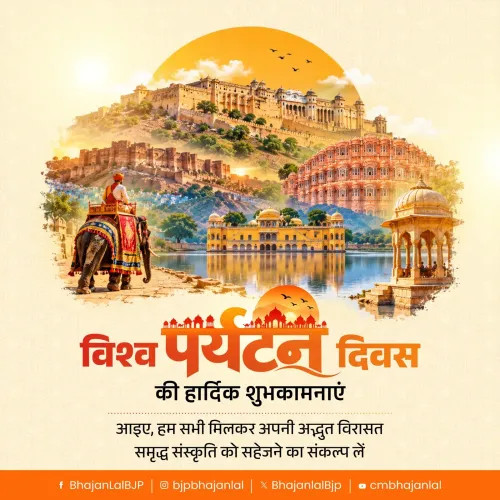
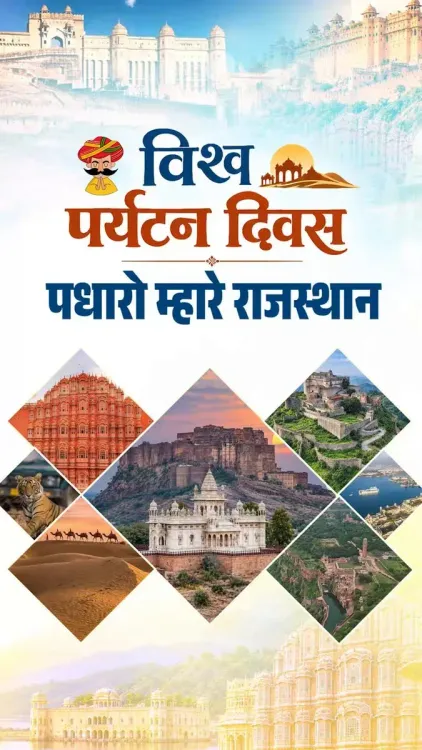
On World Tourism Day, 27 September 2026, Rajasthan Chief Minister Bhajan Lal Sharma pledged to take the state's rich history, culture and natural heritage to a global stage, urging stakeholders to realise new possibilities for Rajasthan's tourism sector.
Key Takeaways
Rajasthan CM Bhajan Lal Sharma posted a World Tourism Day message on 27 September 2026 calling for a collective pledge to promote the state globally.
He highlighted Rajasthan's strengths in history, culture and nature as enduring draws for tourists.
World Tourism Day is an annual UNWTO observance on 27 September used by states as a soft-power promotional platform.
Rajasthan's tourism policy was last significantly updated in 2022 , emphasising heritage circuits and sustainable infrastructure.
Sharma has been Chief Minister since December 2023 ; his message signals intent to advance and build on the existing tourism roadmap.
Industry observers will watch for follow-up budget allocations and new heritage-circuit launches in the coming months.
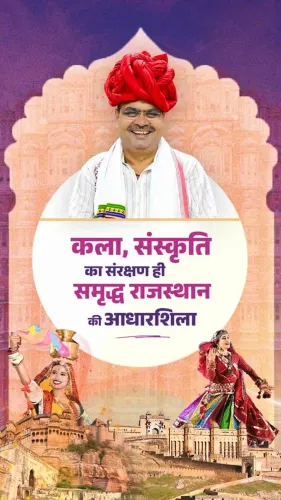
On World Tourism Day, 27 September 2026, Rajasthan Chief Minister Bhajan Lal Sharma called on citizens and the tourism industry to carry the state's singular identity to a global stage — framing the day not as a calendar observance but as a moment of national resolve.
Posting in Hindi, the Chief Minister wrote: 'इतिहास, संस्कृति और प्रकृति की विविध छटाओं से समृद्ध राजस्थान पर्यटकों के लिए सदैव आकर्षण का केंद्र रहा है।' — 'Rajasthan, enriched by the diverse hues of history, culture and nature, has always been a centre of attraction for tourists. Let us pledge, on World Tourism Day, to take its distinctive identity to the global stage and realise new possibilities.'
Why Rajasthan Commands the Tourism Conversation
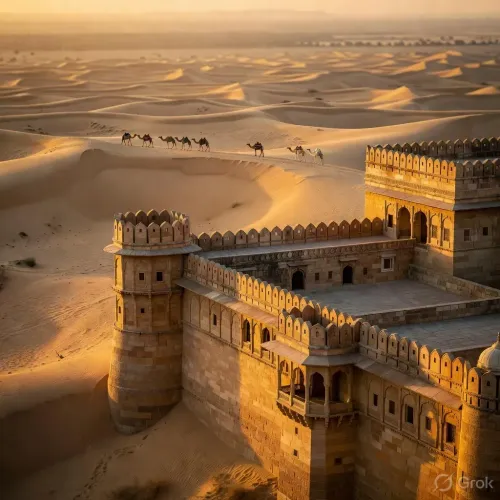
Rajasthan is India's largest state by area and one of its most visited — a landscape that ranges from the gold-dust sweep of the Thar Desert to the medieval battlements of Jaipur, Jodhpur, Udaipur and Jaisalmer. Its forts and palaces carry UNESCO recognition, its craft traditions draw heritage-tourism seekers from across the world, and its wildlife corridors anchor a growing eco-tourism circuit.
The state has long positioned itself at the premium end of India's inbound tourism market, and successive governments have tied major marketing budgets to the national Incredible India brand — a relationship that has run for over two decades and remains the spine of outbound promotion.
World Tourism Day and the UNWTO's Annual Push
World Tourism Day is observed every 27 September, a date set by the United Nations World Tourism Organization (UNWTO) to spotlight tourism's economic and cultural weight. For Indian states, it doubles as a soft-power window — a moment to court foreign travellers, hospitality investors and global media simultaneously.
Rajasthan administrations have consistently used the occasion for high-visibility pledges. What follows such messaging, however, is the part that the tourism industry watches: state budget allocations, heritage-circuit upgrades, and air-connectivity deals that translate rhetoric into arrivals.
Sharma's BJP Government and the 2022 Heritage-Tourism Blueprint
Chief Minister Sharma, who assumed office in December 2023, inherited a tourism policy framework last substantially updated in 2022 — one that prioritised heritage circuits and sustainable infrastructure. His World Tourism Day message doubles as a political signal: that the current administration intends to build on, and perhaps accelerate, that roadmap.
The coming months will be telling. New circuit launches, fresh marketing partnerships, and the next state budget's tourism line-item will reveal whether today's pledge lands as a headline or a genuine turning point for one of India's most storied destinations.
Point of View
Likely leaning into premium heritage and sustainable-tourism branding that aligns with national priorities. With Rajasthan's economy significantly dependent on hospitality and handicrafts, translating such pledges into concrete policy — expanded air routes, new circuit infrastructure, digitised heritage access — will determine how the state's tourism numbers move over the next electoral cycle. The consistency of this messaging across Rajasthan governments also underlines that tourism is one of the few policy arenas that transcends political divides in the state.
NationPress
27 Sept 2026
Frequently Asked Questions
What did Rajasthan CM Bhajan Lal Sharma say on World Tourism Day 2026?
CM Sharma called on all stakeholders to pledge, on World Tourism Day, to take Rajasthan's distinctive identity — rooted in history, culture and nature — to the global stage and realise new possibilities for the state's tourism sector.
When is World Tourism Day celebrated?
World Tourism Day is observed every year on 27 September , a date established by the United Nations World Tourism Organization (UNWTO) to highlight the role of tourism in economic and cultural development.
Why is Rajasthan important for India's tourism sector?
Rajasthan is India's largest state by area and one of its most visited, known for its UNESCO-recognised forts and palaces, the Thar Desert, vibrant craft traditions and wildlife corridors — making it central to both domestic and inbound international tourism.
What is Rajasthan's current tourism policy?
Rajasthan's tourism policy was last substantially updated in 2022 , with a focus on heritage circuits and sustainable tourism infrastructure; it also aligns with the national Incredible India promotional brand.
When did Bhajan Lal Sharma become Chief Minister of Rajasthan?
Bhajan Lal Sharma assumed office as Chief Minister of Rajasthan in December 2023 , representing the BJP.