CM Bhajan Lal Sharma Pledges Uninterrupted Power for Rajasthan Farmers
Synopsis
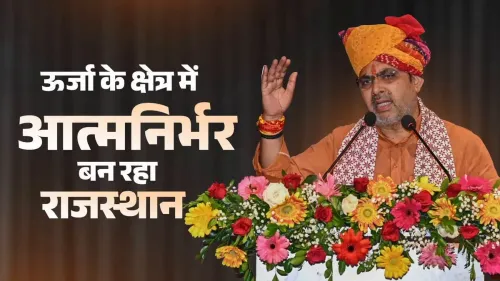
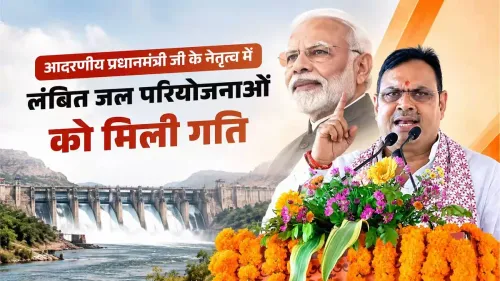
Rajasthan Chief Minister Bhajan Lal Sharma has declared that uninterrupted electricity for irrigation is being secured across the state, framing the push as an execution of PM Modi's 'Sashakt Kisan, Atmanirbhar Bharat' vision aimed at empowering the farming community.
Key Takeaways
CM Bhajan Lal Sharma announced on 23 October 2026 that Rajasthan is working to eliminate electricity disruptions for agricultural irrigation.
The initiative is framed as an implementation of PM Narendra Modi 's 'Sashakt Kisan, Atmanirbhar Bharat' vision, originally launched in May 2020 .
Sharma has cited a 'strengthened power infrastructure' as the mechanism enabling uninterrupted irrigation supply for farmers across the state.
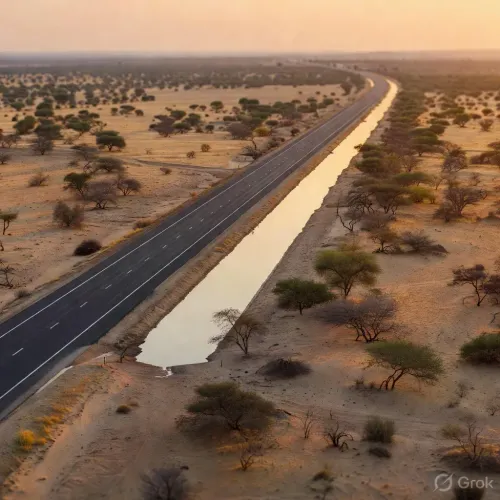
Rajasthan's arid geography makes groundwater-dependent irrigation particularly vulnerable to power outages, making reliable supply a direct driver of farm productivity and income.
Specific projects and budgetary allocations underpinning the claim are yet to be detailed publicly and will be key indicators to watch.
Power cuts at the pump set — the single biggest headache for a farmer mid-irrigation — are what Rajasthan Chief Minister Bhajan Lal Sharma says his government is now moving to eliminate. In a post on X on Friday, 23 October 2026, Sharma declared that uninterrupted electricity for irrigation is being secured across Rajasthan, aligning the state's agenda with Prime Minister Narendra Modi's vision of a 'Sashakt Kisan, Atmanirbhar Bharat' — an empowered farmer, a self-reliant India.
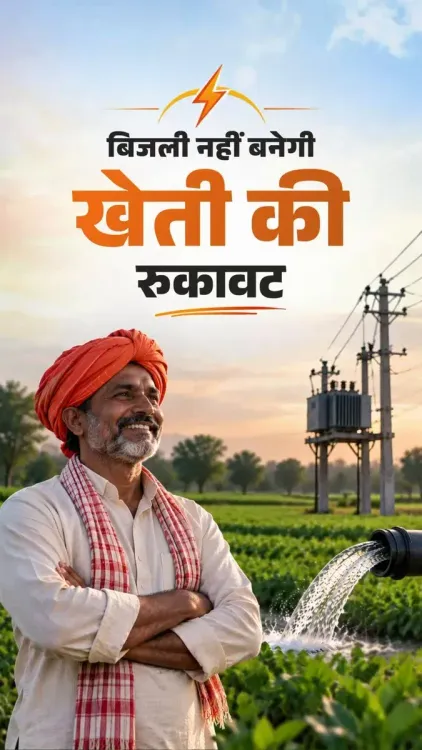
Sharma's post, written in Hindi, states: 'Anndata ki raah mein ab nahin aayegi bijli ki baadha!' — 'The electricity obstacle will no longer stand in the way of the provider of food!' He added that a strengthened power infrastructure is making Rajasthan's farming community 'increasingly empowered and prosperous.'
The 'Anndata' Problem — Why Irrigation Power Matters So Much
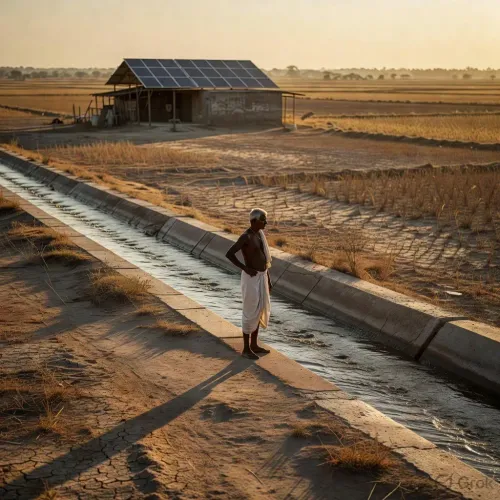
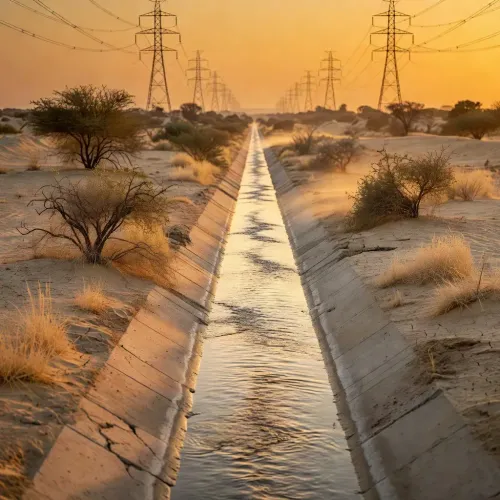
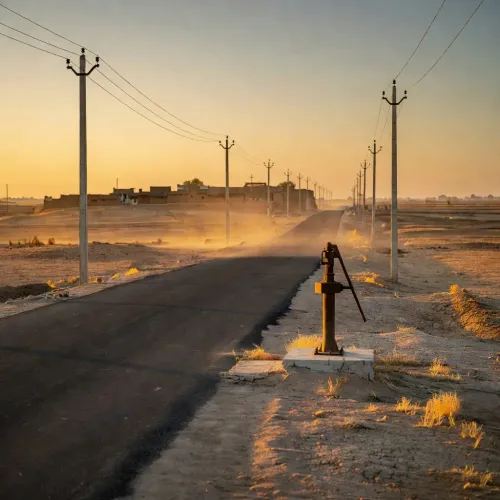
Rajasthan is a large, arid state where groundwater-dependent irrigation is the lifeline of agriculture. Frequent power outages — often timed to off-peak hours or subject to load-shedding — have long forced farmers to run expensive diesel pumps or risk crop loss mid-season. Reliable electricity supply directly translates to lower input costs, better water management, and more predictable harvests for millions of farming households.
The pitch to fix this fits neatly into the broader pattern of BJP-governed states repositioning rural electricity infrastructure as an agricultural welfare intervention, not merely a utilities matter. The framing deliberately echoes the national Atmanirbhar Bharat initiative — announced by PM Modi in May 2020 — which explicitly linked rural infrastructure investment to food security and farmer self-reliance.
Sharma's Infrastructure Push Since December 2023
Since taking charge as Chief Minister in December 2023, Sharma has consistently flagged rural power and irrigation infrastructure as state priorities. His government has sought to translate the BJP's national farm-welfare messaging into on-ground schemes — from feeder separation projects that give agriculture its own power line to expanded rural electrification. The specific projects and budget allocations underpinning this latest claim will be the metrics to watch as the next state budget cycle approaches.
The political arithmetic is clear: Rajasthan's farm households constitute a decisive vote bloc, and delivering visible relief on electricity supply before the next electoral cycle is both policy and politics. The test, of course, is whether the grid infrastructure upgrades keep pace with the rhetoric.
Point of View
He simultaneously signals alignment with the national leadership and localises credit for delivery. The challenge is execution: Rajasthan's power sector has historically struggled with distribution losses and feeder overloads, and campaign-style announcements without specific project milestones can erode credibility quickly. Watchdogs and opposition will be scrutinising the gap between the promise of 'uninterrupted supply' and the actual uptime data from agricultural feeders.
NationPress
23 Oct 2026
Frequently Asked Questions
What did Rajasthan CM Bhajan Lal Sharma announce for farmers regarding electricity?
CM Bhajan Lal Sharma announced on 23 October 2026 that Rajasthan is ensuring uninterrupted electricity supply for irrigation, backed by upgraded power infrastructure across the state.
What is the Atmanirbhar Bharat vision and how does it relate to Rajasthan farmers?
Atmanirbhar Bharat is PM Narendra Modi's self-reliance initiative launched in May 2020. CM Sharma has linked Rajasthan's rural electricity drive to this vision, positioning uninterrupted irrigation power as part of farmer empowerment under the national framework.
Why is uninterrupted electricity so important for Rajasthan's farmers?
Rajasthan is largely arid and depends heavily on groundwater irrigation through electric pump sets. Power outages force farmers to use expensive diesel pumps or risk crop damage, making reliable electricity a direct factor in farm income and productivity.
When did Bhajan Lal Sharma become Chief Minister of Rajasthan?
Bhajan Lal Sharma took charge as Chief Minister of Rajasthan in December 2023 after the BJP's victory in the state assembly elections.
What specific power projects is Rajasthan implementing for agricultural irrigation?
CM Sharma has cited a strengthened power infrastructure for irrigation, but specific project details and budget allocations have not been publicly detailed as of October 2026 and will be watched in the next state budget cycle.