CM Bhajan Lal Visits Udaipur's Beeda Panchayat, Cites Rural Strength
Synopsis
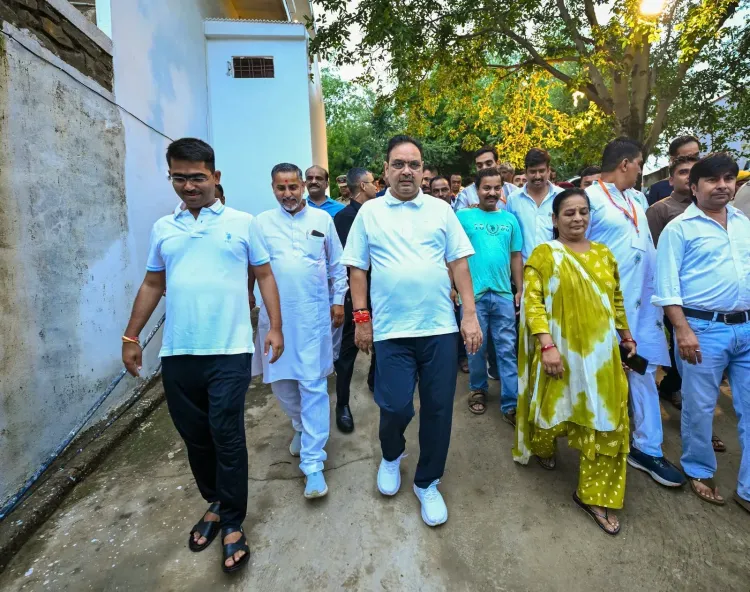
Rajasthan Chief Minister Bhajan Lal Sharma conducted a morning walk through Beeda Gram Panchayat in Udaipur on 2 August 2026, engaging residents in dialogue, visiting the Aawari Mata temple, and reaffirming the BJP's 'double-engine' rural development agenda.
Key Takeaways
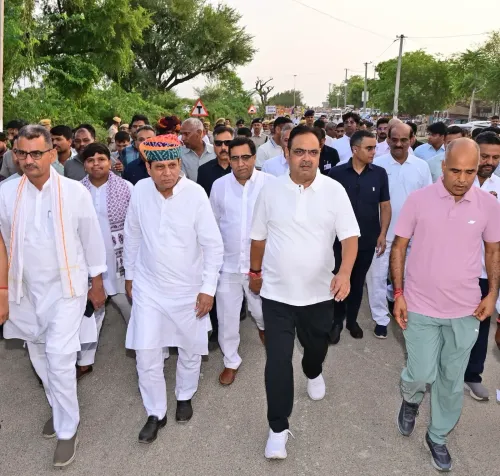
CM Bhajan Lal Sharma visited Beeda Gram Panchayat , Udaipur district , on 2 August 2026 during an early-morning walk.
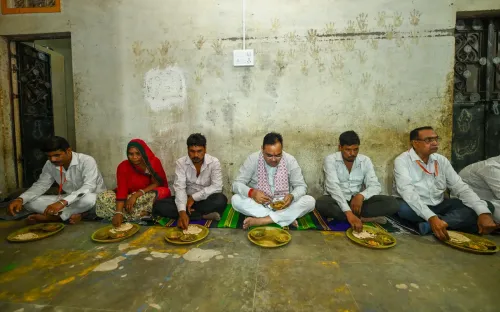
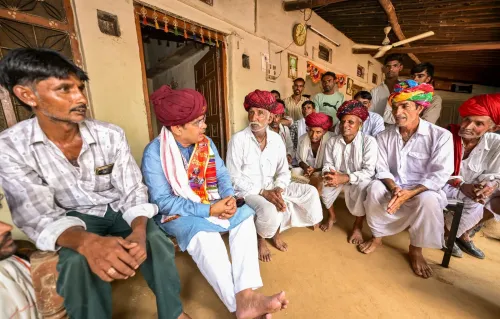
He held conversations with mothers, sisters, youth, and senior citizens, gathering their suggestions and expectations.
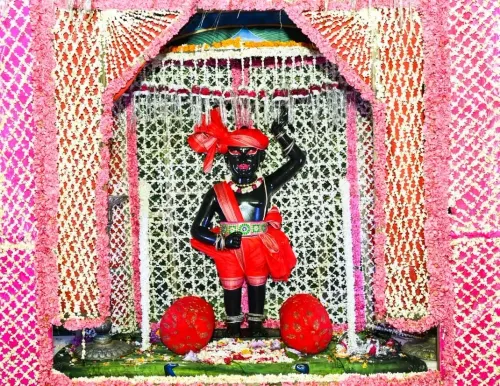
Sharma offered prayers at the Aawari Mata temple for Rajasthan's prosperity and welfare.
He described village simplicity, culture, and values as 'Rajasthan's true strength.' The visit reinforced the BJP's 'double-engine government' narrative linking state and central schemes for rural development.
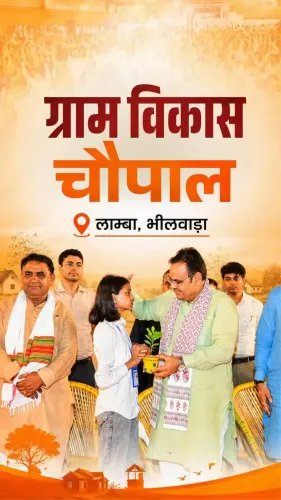
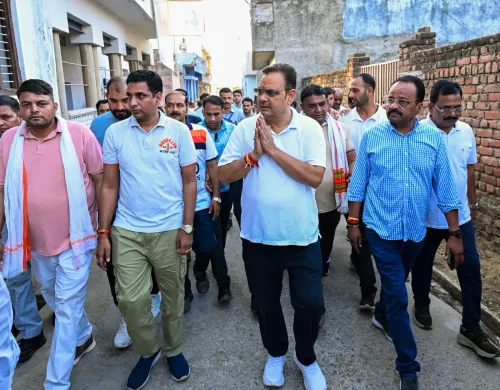
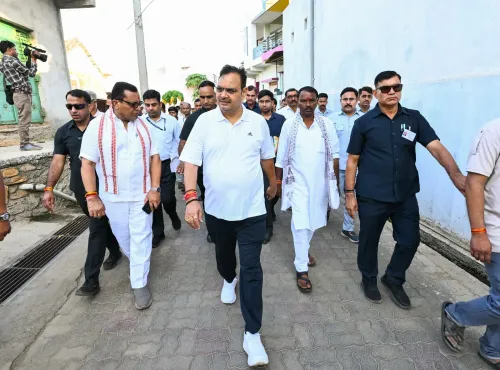
Before the morning mist had lifted over southern Rajasthan, Chief Minister Bhajan Lal Sharma was already walking the lanes of Beeda Gram Panchayat in Udaipur district — listening, not speaking. The early-morning praat bhraman (morning walk) on Sunday, 2 August 2026, drew him into conversations with mothers, sisters, youth, and elders, and ended with prayers at the Aawari Mata temple for the state's prosperity.
Sharma described the visit in his own words: 'The simplicity of the rural setting, the captivating beauty of nature, the vibrant culture of the village, and the unpretentious way of life here moved me deeply.' He said he engaged in 'heartfelt dialogue' with residents — noting their suggestions, experiences, and expectations.
A temple stop and a political message
After the community conversations, Sharma offered prayers at the Aawari Mata temple, seeking 'happiness, prosperity, and welfare' for Rajasthan. The pairing of a grassroots listening exercise with a temple visit is a familiar register for BJP leaders — grounding political outreach in both civic duty and cultural continuity.
He closed with a pointed assertion: 'The simplicity, warmth, and values of village life are Rajasthan's true strength. The trust and affection of rural people inspire us to advance our resolve for public service with even greater dedication.'
The 'double-engine' pitch at the village level
Sharma invoked the BJP's signature governance frame — the 'double-engine government' — pledging that the combined force of the state and central administrations would 'connect every village to new heights of development.' The BJP has used this framing consistently since forming the Rajasthan government in December 2023, arguing that aligned party control at both levels accelerates delivery of rural infrastructure and welfare schemes.
Udaipur district, in the tribal belt of southern Rajasthan, contains hundreds of gram panchayats and has historically been a focus of rural development programmes. Visits of this kind — low-key, constituency-level, camera-friendly — are a standard tool for state leaders to signal proximity to the grassroots ahead of scheme rollouts or budget cycles.
The real test, as Beeda's residents know, will come in the schemes that follow the walk.
Frequently Asked Questions
Why did CM Bhajan Lal Sharma visit Beeda Gram Panchayat in Udaipur?
Sharma conducted an early-morning walk through Beeda Gram Panchayat on 2 August 2026 to meet villagers, hear their suggestions, and reaffirm the state government's commitment to rural development under the 'double-engine' governance model.
Where is Beeda Gram Panchayat located?
Beeda Gram Panchayat is located in Udaipur district in southern Rajasthan, a region known for its tribal communities, rural culture, and multiple gram panchayats.
What is the Aawari Mata temple that Bhajan Lal Sharma visited?
The Aawari Mata temple is a local religious site in the Udaipur area where CM Sharma offered prayers for the happiness, prosperity, and welfare of Rajasthan's people during his 2 August 2026 visit.
What does 'double-engine government' mean in Rajasthan?
The 'double-engine government' is a BJP phrase referring to aligned party governance at both the state and central levels, which the party argues accelerates delivery of rural infrastructure and welfare schemes to villages.
When did Bhajan Lal Sharma become Chief Minister of Rajasthan?
Bhajan Lal Sharma became Chief Minister of Rajasthan in December 2023, after the BJP won the state assembly elections and chose him to lead the government.