CM Bhajan Lal Reaffirms Rajasthan's Welfare Push for Marginalised Families
Synopsis
Rajasthan Chief Minister Bhajan Lal Sharma on 27 October 2026 pledged continued government effort to bring welfare scheme benefits to the state's poorest and most marginalised families, invoking the Antyodaya principle of serving the last person in the queue.
Key Takeaways
CM Bhajan Lal Sharma posted on 27 October 2026 reaffirming his government's resolve to reach poor, deprived and needy families.
The statement invokes the Antyodaya philosophy — prioritising the most marginalised citizen — central to BJP's governance brand.
The BJP formed the Rajasthan government in December 2023 with last-mile welfare delivery as a stated priority from day one.
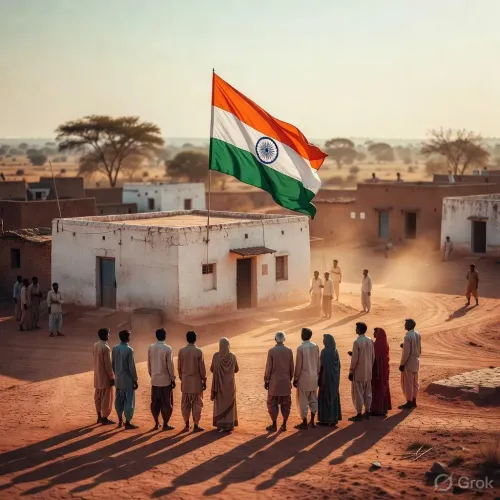
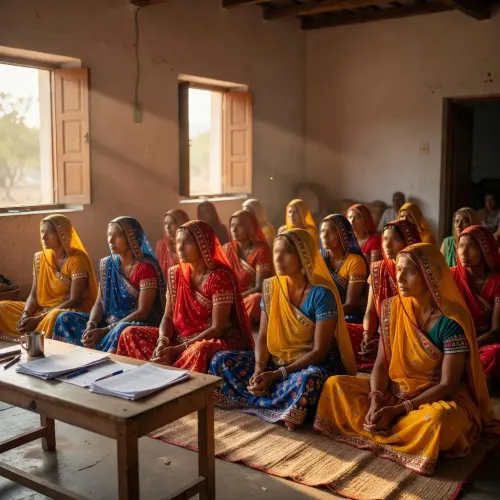
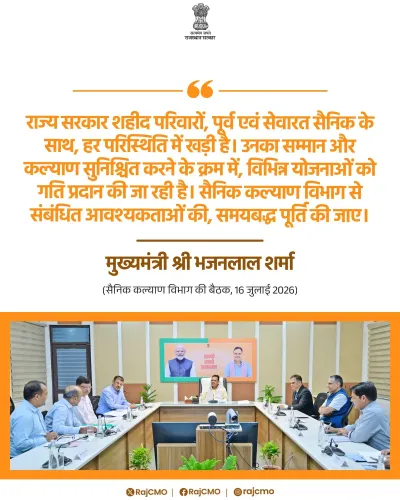
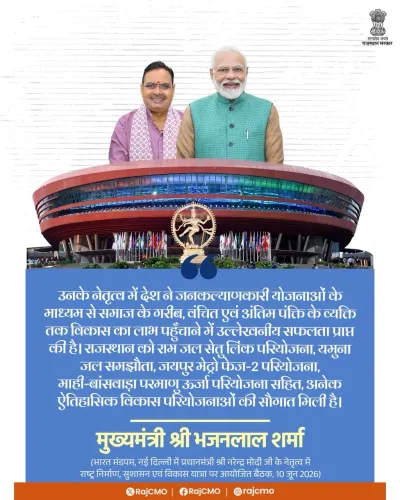
The post carried four images but named no specific schemes, budgets, or new announcements.
Such messaging forms a regular cadence across BJP-ruled states, keeping the welfare-delivery narrative active between formal policy announcements.
Rajasthan's upcoming budget session and implementation data will provide the real scorecard for these stated commitments.
Every government promises to reach the last person in the queue — Rajasthan Chief Minister Bhajan Lal Sharma used the morning of Tuesday, 27 October 2026, to restate that commitment publicly, framing his administration's mission squarely around the poorest and most excluded households in the state.
In a post on X, Sharma wrote: 'Garib, vanchit evam zarooratmand parivaron ke jeevan mein khushhali lane...' — 'Our government is resolved to bring prosperity to poor, deprived and needy families, and to deliver the benefits of public welfare schemes to the last person standing in society's queue. With the objective of good governance and public service, the government is continuously working toward the empowerment of every person in need.'
Antyodaya as governing philosophy in BJP-ruled Rajasthan
The language Sharma uses — reaching the 'antim pankti' (last row) of society — directly echoes the Antyodaya principle, the idea, rooted in RSS and Deendayal Upadhyaya's thinking, that a government's first duty is to its most marginalised citizen. Since the BJP formed the Rajasthan government in December 2023, after a decisive assembly election victory, the administration has consistently positioned last-mile delivery of welfare schemes as its core governance pitch.
That framing matters in a state where rural poverty, tribal belts, and dispersed desert geography have historically made scheme delivery difficult. The promise is not new — but repeating it through the CM's own handle signals it remains a live political and administrative priority heading into future budget and legislative cycles.
What the post says — and what it does not
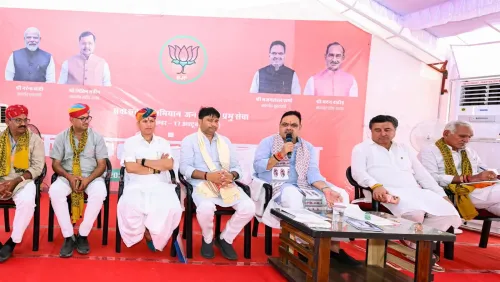
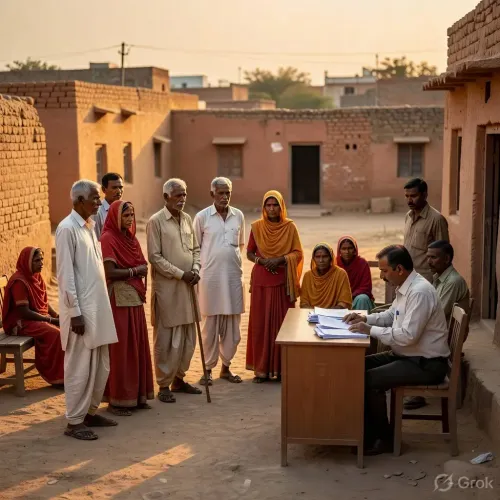
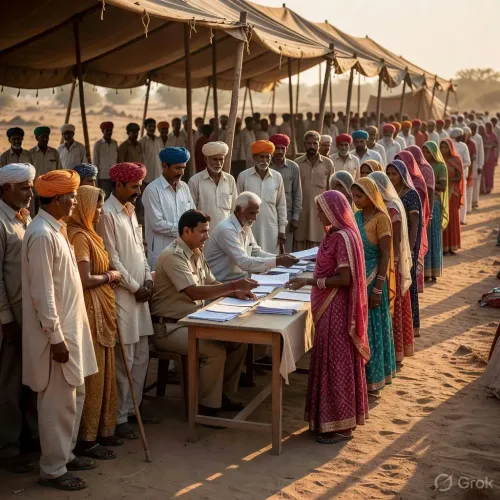
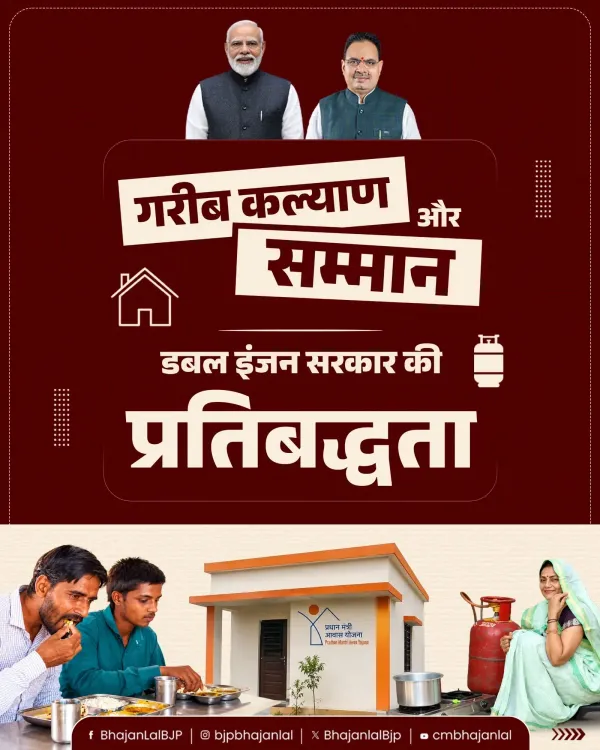
Sharma's statement carries no specific scheme names, no fresh budgetary announcements, and no measurable targets — it is an assertion of intent rather than a policy declaration. The post is accompanied by four images, whose content the CM did not describe in text, but which typically in such communications show beneficiaries or welfare camp visuals. The substance, for now, is the signal: good governance and public service as the administration's stated north star.
Across BJP-governed states, such statements form a regular cadence — reinforcing the party's welfare-delivery brand between major announcements, and keeping grassroots outreach visible to a base that judges governments on whether schemes actually arrive at the doorstep. Rajasthan's next test will come when the state's budget session and implementation data provide a scorecard for those promises.
Point of View
And which state-level BJP leaders have adopted as their own governance vocabulary. In Rajasthan specifically, where the party returned to power after a five-year gap in December 2023, these reaffirmations serve a dual purpose: they keep the base reminded of the government's pro-poor intent, and they pre-empt Opposition narratives about scheme non-delivery. The absence of any specific scheme name or metric, however, means the statement lands as political branding rather than policy news — and the administration's credibility on this front will ultimately be measured by implementation data, not X posts.
NationPress
27 Oct 2026
Frequently Asked Questions
Who is Bhajan Lal Sharma?
Bhajan Lal Sharma is the Chief Minister of Rajasthan and a senior BJP leader who assumed office in December 2023 after the BJP won the Rajasthan state assembly elections.
What did CM Bhajan Lal Sharma say about welfare schemes in Rajasthan?
On 27 October 2026 , Sharma reaffirmed his government's commitment to delivering welfare scheme benefits to poor, deprived and needy families, stating the administration works continuously for the empowerment of every person in need.
What is the Antyodaya principle in Indian politics?
'Antyodaya' — meaning 'rise of the last person' — is a governance philosophy rooted in the thinking of Deendayal Upadhyaya , a foundational ideologue of the BJP, which holds that policy must first serve the most marginalised citizen.
When did BJP form the government in Rajasthan?
The BJP formed the Rajasthan state government in December 2023 after winning the state assembly elections, with Bhajan Lal Sharma sworn in as Chief Minister.
What welfare schemes is the Rajasthan government focusing on?
CM Sharma's post did not name specific schemes; it affirmed a broad commitment to last-mile delivery of public welfare programmes for poor and marginalised households across Rajasthan.