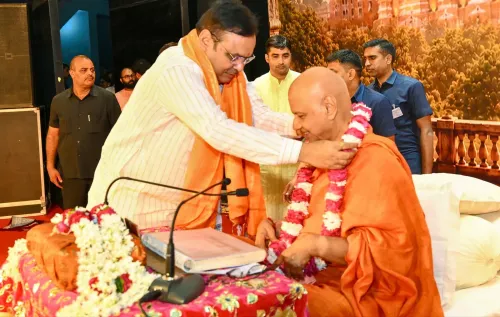
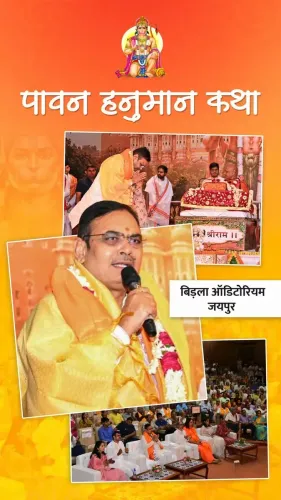
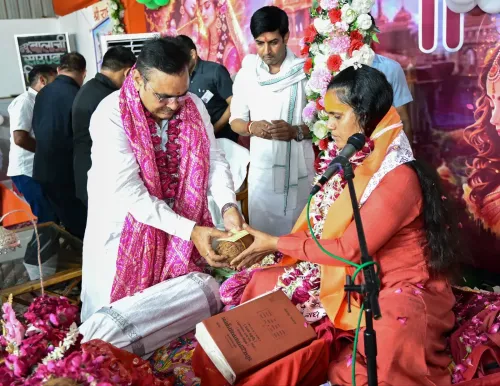
CM Bhajanlal attends Hanuman Katha at Jaipur's Birla Auditorium
Synopsis
Chief Minister Bhajanlal Sharma attended a Hanuman Katha at Birla Auditorium in Jaipur on 19 July 2026, asserting that PM Modi's leadership is giving global recognition to India's Sanatan traditions and pledging continued state efforts to develop Rajasthan's religious and cultural heritage sites.
Key Takeaways
CM Bhajanlal Sharma attended Hanuman Katha at Birla Auditorium, Jaipur on 19 July 2026 .
He stated that under PM Narendra Modi , India is securing global recognition for its culture and Sanatan tradition.
The Rajasthan government has pledged continuous work on developing major religious sites and preserving cultural heritage across the state.
The event aligns with the BJP-led policy framework of promoting religious tourism and Sanatan traditions since 2014 .
The Centre's PRASAD scheme , launched in 2014-15 , supports pilgrimage and heritage development in Rajasthan and other states.
Upcoming state assembly sessions may see budget allocations for specific religious-site development projects.
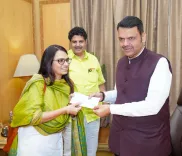
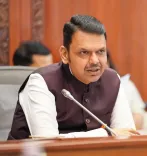
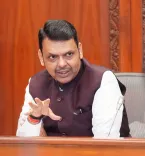
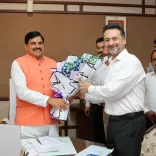
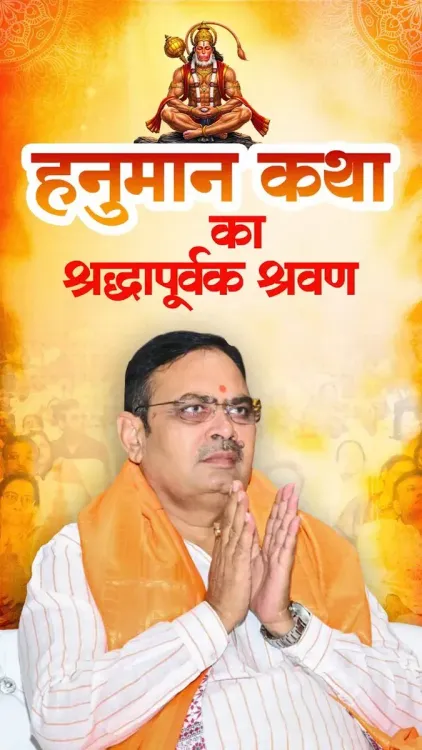
Chief Minister Bhajanlal Sharma attended a Hanuman Katha at Birla Auditorium, Jaipur, on Sunday, 19 July 2026, listening to the religious discourse with devotion and reaffirming his government's commitment to developing Rajasthan's religious heritage sites.
Context
The Chief Minister's Office of Rajasthan shared that CM Sharma श्रद्धापूर्वक श्रवण किया ('listened with reverence') to the Hanuman Katha held at Birla Auditorium, one of Jaipur's most prominent cultural venues. Speaking at the event, he said that under the leadership of Prime Minister Narendra Modi, 'India is giving global recognition to the glory of its culture and Sanatan tradition.'
The Hanuman Katha is a traditional Hindu religious discourse centred on the deity Hanuman, widely observed across Rajasthan as part of Sanatan cultural practice. Such events draw large congregations of devotees and serve as platforms for public messaging by elected representatives.
Policy Backdrop
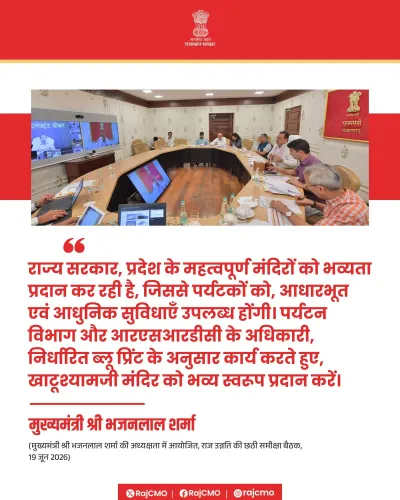
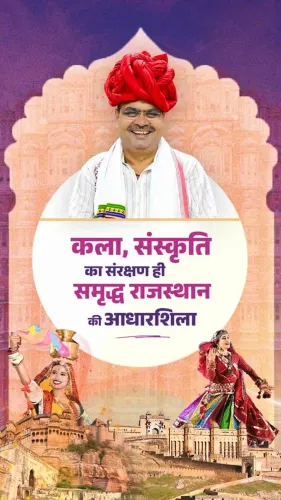
CM Sharma stated that the state government is 'continuously working for the development of major religious sites in the state and preservation of cultural heritage.' This aligns with a broader BJP-led policy framework that has, since 2014, emphasised the promotion of religious tourism and Sanatan traditions as pillars of national identity.
At the central level, the PRASAD scheme — launched in 2014-15 — provides integrated development funding for pilgrimage and heritage destinations, with Rajasthan among the beneficiary states. The Rajasthan government has pursued parallel state-level efforts to develop temple circuits and heritage infrastructure.
The event's hashtag #आपणो_अग्रणी_राजस्थान ('Our Leading Rajasthan') reflects the administration's broader branding around cultural pride and state-level progress.
Stakeholders and Impact
Religious devotees and pilgrimage communities across Rajasthan stand to be the most direct beneficiaries of any expanded heritage development push. The state's tourism sector, which draws heavily on religious circuits including sites such as Pushkar, Nathdwara, and the Khatu Shyam temple, also has a significant stake in infrastructure improvements at these destinations.
Heritage conservation bodies and local civic authorities in Jaipur and other heritage towns would be involved in executing any development projects that emerge from the policy direction signalled by the Chief Minister.
What's Next
Observers will watch for concrete budget allocations and project announcements tied to the religious-site development agenda in forthcoming Rajasthan state assembly sessions. The government's stated commitment to cultural heritage preservation is expected to translate into specific scheme rollouts for temple circuits and pilgrimage infrastructure across the state.
As PM Modi's government continues to project Indian cultural identity on the global stage, BJP-ruled states such as Rajasthan are likely to intensify alignment between state cultural policy and the Centre's broader civilisational messaging.
Point of View
With its rich network of pilgrimage sites, is positioning itself as a model for the Centre's religious-tourism push, using events like the Hanuman Katha as soft-power platforms. The framing of cultural heritage development as both governance delivery and national pride-building is a well-established BJP electoral strategy, and Sharma's statements indicate it will remain central to his administration's public communication. The key test will be whether the stated commitment translates into measurable infrastructure outcomes at Rajasthan's religious sites.
NationPress
20 Jul 2026
Frequently Asked Questions
Why did CM Bhajanlal Sharma attend Hanuman Katha in Jaipur?
CM Bhajanlal Sharma attended the Hanuman Katha at Birla Auditorium in Jaipur on 19 July 2026 as part of his government's visible engagement with Rajasthan's Sanatan cultural traditions, using the occasion to reaffirm the state's commitment to religious heritage development.
What is Birla Auditorium in Jaipur?
Birla Auditorium is a major cultural and public events venue in Jaipur, Rajasthan, frequently used for religious discourses, cultural programmes, and large public gatherings.
What did CM Bhajanlal Sharma say about PM Modi and Indian culture?
CM Sharma said that under PM Narendra Modi's leadership, India is giving global recognition to the glory of its culture and Sanatan tradition.
What is the Rajasthan government doing for religious heritage sites?
The Rajasthan government has stated it is continuously working on the development of major religious sites in the state and the preservation of cultural heritage, in alignment with the Centre's PRASAD scheme for pilgrimage development.
What is the PRASAD scheme and how does it affect Rajasthan?
The PRASAD scheme, launched by the Government of India in 2014-15, provides funding for integrated development of pilgrimage and heritage destinations. Rajasthan is among the beneficiary states, supporting infrastructure at key religious sites across the region.