CM Bhajanlal flags maternal health push via Maa Voucher Yojana
Synopsis
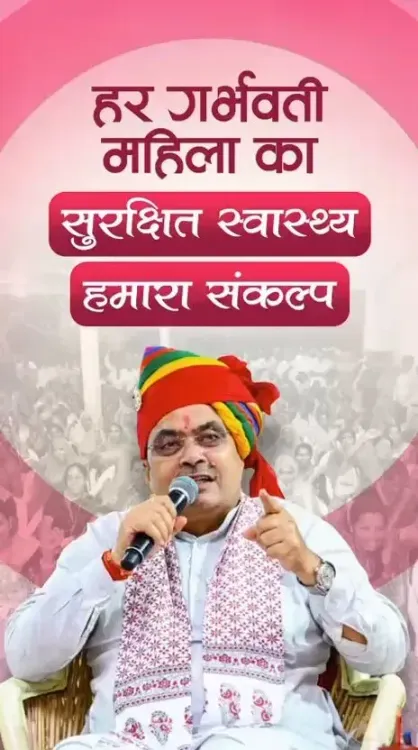
Chief Minister Bhajanlal Sharma addressed a Gram Vikas Chaupal in tribal Jhadol, Udaipur, spotlighting the Maa Voucher Yojana — a scheme providing pregnant women from poor families with free sonography, diagnostics, medicines and treatment to cut antenatal out-of-pocket costs.
Key Takeaways
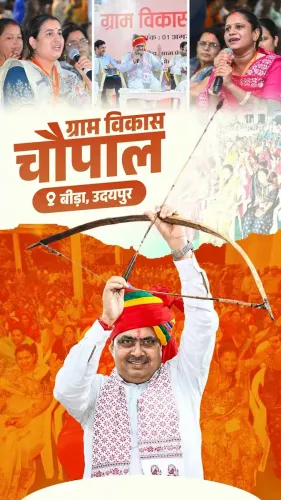
CM Bhajanlal Sharma spoke at the Gram Vikas Chaupal in village Beeda, Jhadol, Udaipur on August 2, 2026 .
He identified illness as the single biggest challenge for poor families, citing delayed treatment due to financial hardship.
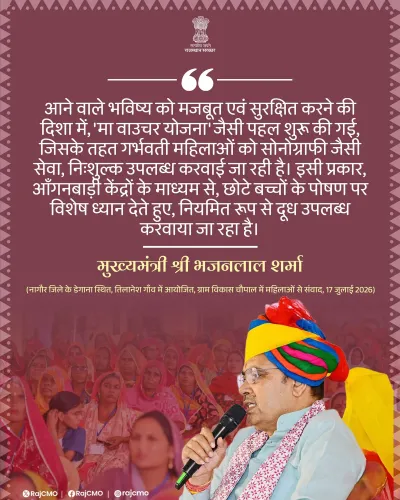
The Maa Voucher Yojana provides pregnant women from low-income households with vouchers for sonography, diagnostic tests, medicines, and treatment.
The scheme is framed as part of Prime Minister Narendra Modi 's national maternal health push.
Jhadol is a tribal block in southern Rajasthan historically underserved on maternal and infant health indicators.
District-wise beneficiary data and full operational details of the scheme have not yet been independently verified.
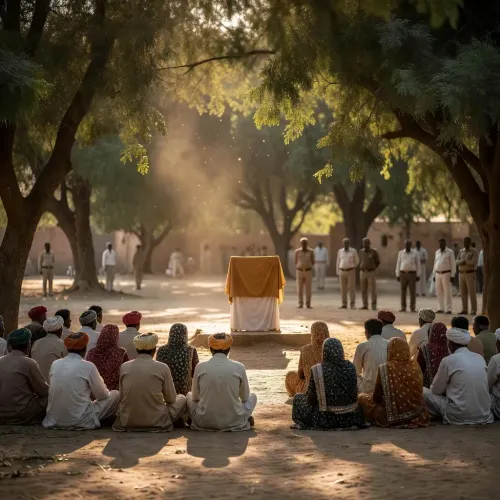
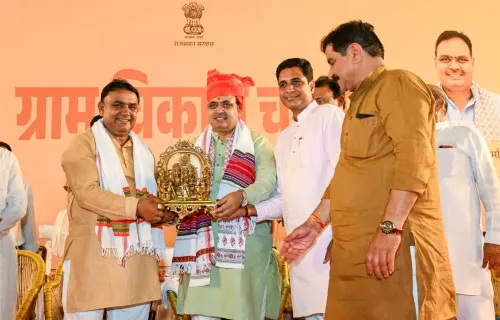
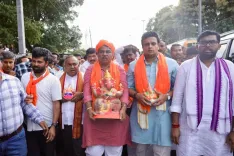
In a sun-baked village clearing in Jhadol, Udaipur, Chief Minister Bhajanlal Sharma put a number on what poverty really costs — not in rupees, but in delayed diagnoses, untreated pregnancies, and illnesses that spiral because no one could afford to catch them in time. Speaking at the Gram Vikas Chaupal programme in village Beeda on Sunday, August 2, 2026, Sharma made maternal health the centrepiece of his address to rural Rajasthan.
What Sharma said at Beeda — and why he said it there
Sharma's message was direct: 'Garib parivaron ke liye bimari sabse badi chunauti hoti hai' — 'For poor families, illness is the biggest challenge.' He described a familiar trap: financial hardship forces people to delay treatment, the condition worsens, and a manageable problem becomes a crisis. Jhadol, a tribal block in southern Rajasthan, is precisely the kind of geography where that trap closes tightest — remote, underserved, and historically dependent on out-of-pocket spending for basic care.
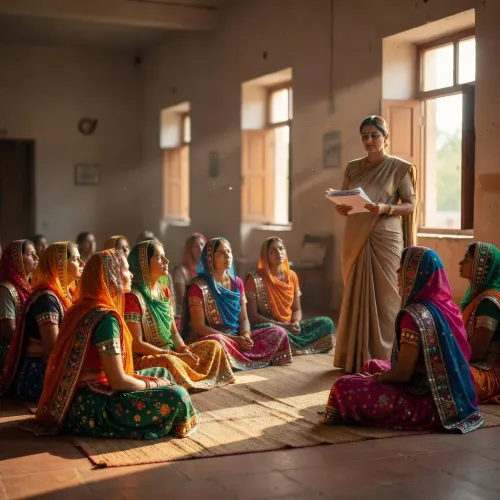
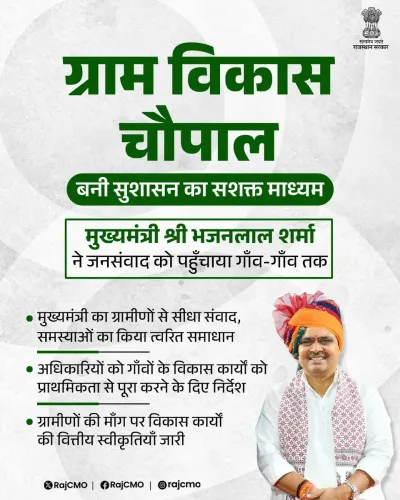
The Gram Vikas Chaupal format — an open village assembly — is the Rajasthan government's preferred vehicle for taking welfare messaging directly to rural and tribal pockets. Sharma used the platform to spotlight the Maa Voucher Yojana, a state scheme that provides pregnant women from low-income families with vouchers covering sonography, diagnostic tests, medicines, and treatment support, reducing the cash burden on households at the most vulnerable stage of a woman's health journey.
Maa Voucher Yojana: filling the antenatal gap
The scheme sits within a longer arc of maternal health policy in India. The Janani Suraksha Yojana, launched in 2005, offered cash incentives to push poor rural women toward institutional deliveries — it moved the needle on where births happened, but left antenatal care costs largely unaddressed. Voucher and insurance mechanisms like the Maa Voucher Yojana are the next layer: they target the weeks and months before delivery, when a sonography or a blood panel can flag complications early enough to matter.
Sharma credited Prime Minister Narendra Modi with the broader political direction, framing the scheme as part of the national government's maternal care push. The BJP-led Rajasthan government has consistently aligned its state-level health announcements with central schemes, presenting a unified welfare narrative ahead of ongoing outreach cycles.
Tribal Rajasthan as the proving ground
Udaipur's tribal belt is not a random backdrop. Districts like Jhadol have historically posted weaker maternal and infant health indicators than Rajasthan's urban centres, making them both the hardest test and the most visible proof point for any scheme claiming to reach the last mile. If the Maa Voucher Yojana delivers sonographies and medicines to pregnant women in Beeda, the argument travels — to the next chaupal, the next district, the next election cycle.
Beneficiary data and district-wise rollout figures for the scheme have not yet been made public, and the full operational scope remains to be independently verified. What Sunday's event made clear is that the Rajasthan government intends tribal Udaipur to be the face of its maternal health story.
For the women of Jhadol, the question is not political framing — it is whether the voucher arrives before the next antenatal appointment does.
Point of View
Signalling a maturing of India's maternal health architecture from delivery incentives toward comprehensive pregnancy support. Whether the scheme's voucher mechanism translates into measurable reductions in maternal mortality in underserved tribal blocks will be the real test — and that data, when it arrives, will carry significant political weight for the Rajasthan government heading into the next electoral cycle.
NationPress
16 Sept 2026
Frequently Asked Questions
What is the Maa Voucher Yojana in Rajasthan?
The Maa Voucher Yojana is a Rajasthan government scheme that provides pregnant women from low-income families with vouchers covering sonography, diagnostic tests, medicines, and treatment, reducing out-of-pocket antenatal costs.
Who announced the Maa Voucher Yojana at the Gram Vikas Chaupal?
Chief Minister Bhajanlal Sharma highlighted the Maa Voucher Yojana at a Gram Vikas Chaupal held in village Beeda, Jhadol, Udaipur on August 2, 2026.
What is a Gram Vikas Chaupal in Rajasthan?
Gram Vikas Chaupal is an open village assembly format used by the Rajasthan government to directly communicate welfare scheme benefits to rural and tribal communities.
How does the Maa Voucher Yojana differ from Janani Suraksha Yojana?
Janani Suraksha Yojana, launched in 2005, provided cash incentives for institutional deliveries, while the Maa Voucher Yojana focuses on the antenatal period — covering sonography, tests, and medicines before delivery.
Which district in Rajasthan hosted the Gram Vikas Chaupal on August 2, 2026?
The event was held in village Beeda in the Jhadol block of Udaipur district in southern Rajasthan.