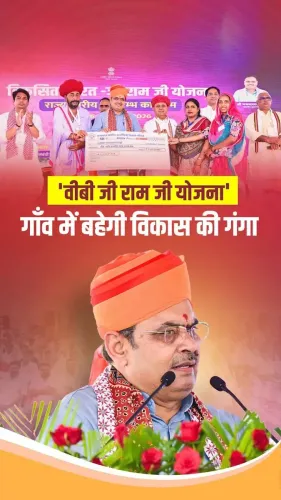
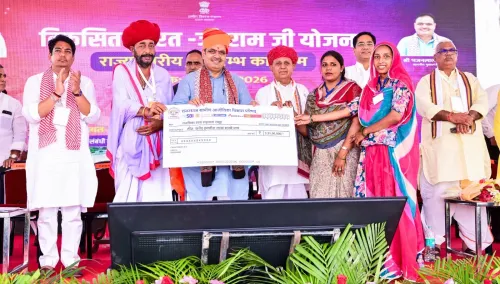
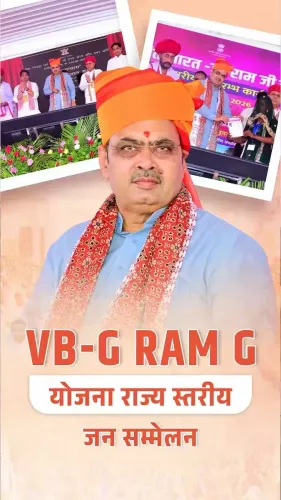
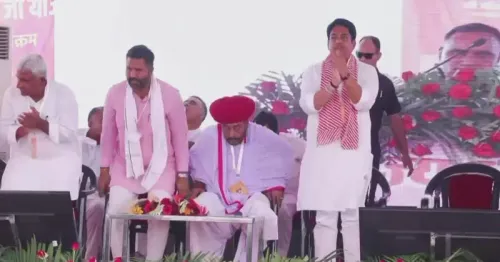
CM Bhajanlal Sharma launches VBG Ram Ji Yojana state conclave in Beawar
Synopsis
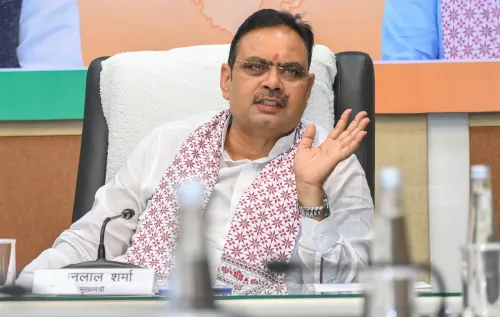
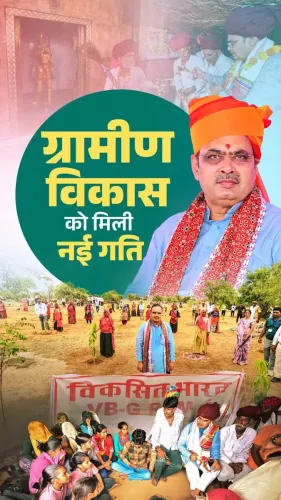
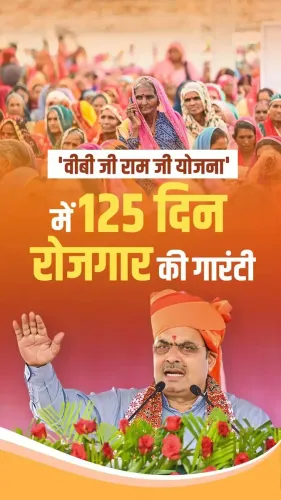
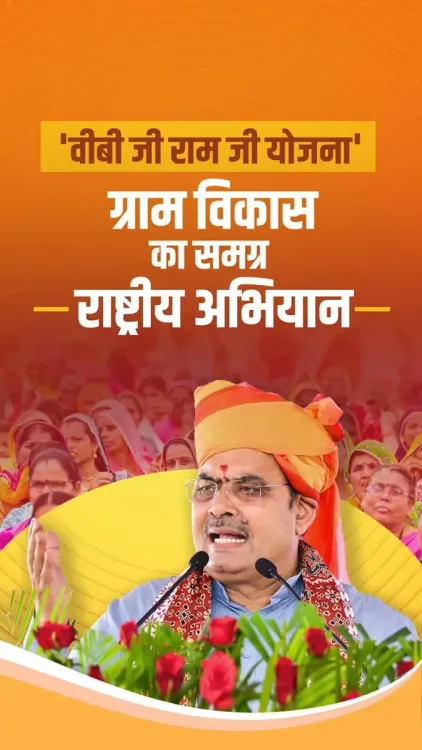
Chief Minister Bhajanlal Sharma addressed the state-level launch of the VBG Ram Ji Yojana at Beawar's Masuda mandi on 3 July 2026, describing it as a holistic national campaign linking employment, water conservation, infrastructure, transparency, and village development across Rajasthan.
Key Takeaways
CM Bhajanlal Sharma addressed the state-level conclave and co-launch of the VBG Ram Ji Yojana on 3 July 2026 .
The event was held at the Masuda Krishi Upaj Mandi in Beawar district , Rajasthan.
The CM described the scheme as a 'holistic national campaign' covering employment, water conservation, infrastructure, transparency, and village development .
The initiative complements central programmes such as MGNREGA and the Jal Jeevan Mission .
Primary beneficiaries are rural villagers and farmers across Rajasthan's arid and semi-arid regions.
District-wise rollout and coordination with central schemes will be the key implementation milestone to watch.
The Chief Minister's Office of Rajasthan announced on Friday, 3 July 2026 that Chief Minister Bhajanlal Sharma addressed the state-level public conclave (jan sammelan) and co-launch event of the VBG Ram Ji Yojana at the Masuda Agricultural Produce Market (Krishi Upaj Mandi) in Beawar district, calling the scheme a comprehensive national campaign that goes well beyond job creation.
Context
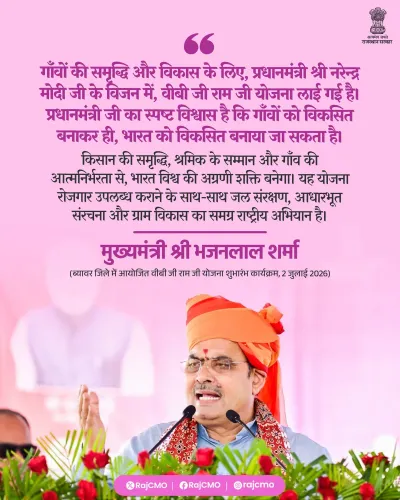
Speaking at the event, CM Sharma said the scheme is 'not merely a programme to provide employment, but a holistic national campaign encompassing employment, water conservation, infrastructure, transparency, and village development.' The remarks were made at a state-level gathering hosted within the premises of the Masuda mandi in Beawar, one of Rajasthan's prominent agricultural trading hubs.
The official post, shared under the hashtag #आपणो_अग्रणी_राजस्थान ('Our Leading Rajasthan'), signals the administration's intent to brand the yojana as a flagship rural mission rather than a conventional employment scheme.
Policy Backdrop
Rajasthan has a long tradition of integrating rural employment with water conservation and local infrastructure through state-sponsored schemes that run alongside central programmes. The Mahatma Gandhi National Rural Employment Guarantee Act (MGNREGA), enacted in 2005, remains the foundational national framework guaranteeing wage employment to rural households, and state schemes in Rajasthan have historically been designed to complement it.
The current Bhajanlal Sharma administration, which took office in December 2023, has continued this pattern by framing the VBG Ram Ji Yojana as a multi-sectoral mission. By explicitly naming water conservation, infrastructure, and transparency alongside employment, the scheme echoes the design philosophy of centrally sponsored missions such as the Jal Jeevan Mission and convergence models under MGNREGA.
Stakeholders and Impact
The primary beneficiaries of the VBG Ram Ji Yojana are rural villagers and the farming community across Rajasthan. Holding the state-level launch at an agricultural produce market in Beawar underscores the government's intent to ground the scheme in agrarian realities, where demand for both wage work and water infrastructure is acute.
Rajasthan's geography — marked by arid and semi-arid zones — makes water conservation a particularly critical component of any integrated rural development effort. Farmers and landless labourers stand to benefit if the scheme's stated pillars of employment and water conservation are delivered in tandem at the village level.
What's Next
Attention will now turn to the district-wise rollout of the VBG Ram Ji Yojana and how effectively it is coordinated with existing central programmes. The state government's emphasis on transparency as a core pillar suggests a focus on digitised delivery and grievance redressal mechanisms, though implementation details are yet to be publicly outlined.
The conclave in Beawar marks the formal state-level inauguration; district and block-level events are expected to follow as the government seeks to build grassroots awareness among the rural population of Rajasthan.
Point of View
The Bhajanlal Sharma government is positioning itself within a broader political narrative that links BJP-governed states to national rural development priorities. Holding the launch at an agricultural market in Beawar — rather than in Jaipur — signals a deliberate outreach to the farming community ahead of future electoral cycles. The explicit mention of transparency as a pillar also reflects awareness of past criticism of rural scheme delivery in Rajasthan, and an attempt to pre-empt accountability concerns. How the scheme is operationalised and audited at the district level will determine whether this conclave marks a genuine policy shift or remains a high-profile announcement.
NationPress
2 Oct 2026
Frequently Asked Questions
What is the VBG Ram Ji Yojana in Rajasthan?
The VBG Ram Ji Yojana is a Rajasthan government scheme described by CM Bhajanlal Sharma as a holistic campaign addressing employment, water conservation, infrastructure, transparency, and village development simultaneously.
Where was the VBG Ram Ji Yojana state-level conclave held?
The state-level public conclave and co-launch event was held at the Masuda Krishi Upaj Mandi (agricultural produce market) in Beawar district, Rajasthan, on 3 July 2026.
Who launched the VBG Ram Ji Yojana?
Chief Minister Bhajanlal Sharma addressed and co-launched the VBG Ram Ji Yojana at the state-level conclave in Beawar on 3 July 2026.
How is VBG Ram Ji Yojana different from MGNREGA?
While MGNREGA is a central government act guaranteeing wage employment to rural households, the VBG Ram Ji Yojana is a state-level scheme that integrates employment with water conservation, infrastructure development, and transparency goals under a single mission framework.
Who will benefit from the VBG Ram Ji Yojana?
The primary beneficiaries are rural villagers and farmers across Rajasthan, particularly those in arid and semi-arid regions where both wage employment and water infrastructure are critical needs.