CM Bhajanlal invokes Dussehra to push Modi's anti-drug drive
Synopsis
Rajasthan CM Bhajanlal Sharma addressed Jaipur's Vijayadashami Mahotsav 2026 and invoked the Dussehra symbolism of defeating evil to champion PM Modi's ongoing 100-week national anti-drug programme, urging citizens to rid society of the 'Ravana of addiction'.
Key Takeaways
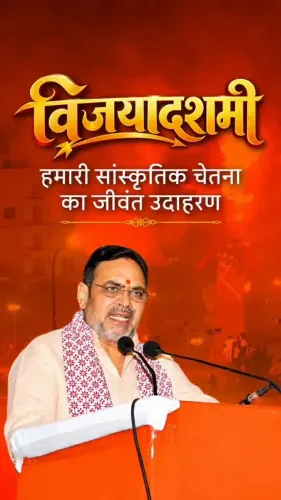
CM Bhajanlal Sharma spoke at the Vijayadashami Mahotsav-2026 in Adarsh Nagar, Jaipur on 21 October 2026 .
He described drug addiction as a 'Ravana of society' that must be defeated just as the demon king is on Dussehra.
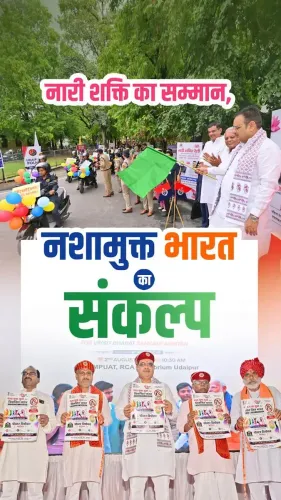
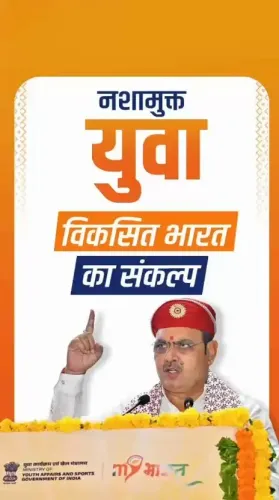
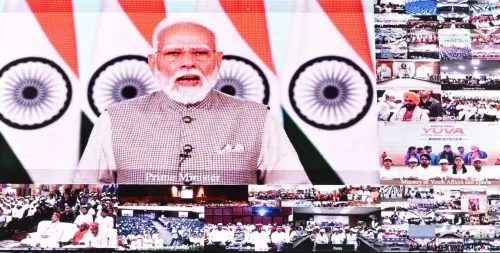
CM Sharma cited a 100-week national programme launched under PM Narendra Modi to eliminate drug abuse across India.
The remarks align with the Nasha Mukt Bharat Abhiyan , the Centre's anti-drug campaign launched in August 2020 by the Ministry of Social Justice and Empowerment.
Rajasthan's state government is positioning local festival events as platforms to amplify the national anti-addiction drive.
Specific rollout details and participation metrics for the 100-week programme in Rajasthan's districts are yet to be made public.
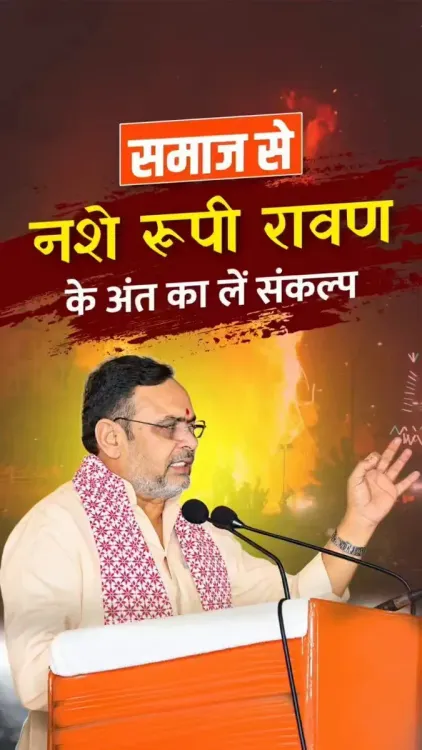
At Jaipur's Adarsh Nagar on Wednesday, 21 October 2026, Rajasthan Chief Minister Bhajanlal Sharma turned a Vijayadashami celebration into a call to arms against addiction — framing the nation's drug menace as a 'Ravana of our times' that must be burned to the ground, just as the demon king is every year on Dussehra.
Addressing the Vijayadashami Mahotsav-2026 in Adarsh Nagar, Jaipur, CM Sharma declared that Prime Minister Narendra Modi had already launched a campaign against this social evil, and that a 100-week programme was underway across the country with a single, repeated purpose: 'Nashe ko door kiya jaye, nashe ko samaapt kiya jaye, nashe ko bhagaya jaye' — drive out addiction, eliminate it, banish it for good.
Dussehra as the political stage for social reform
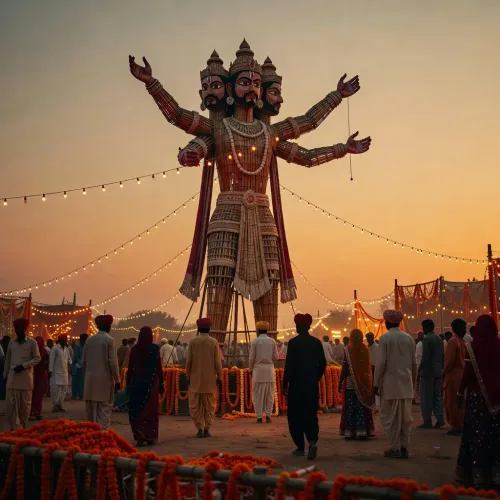
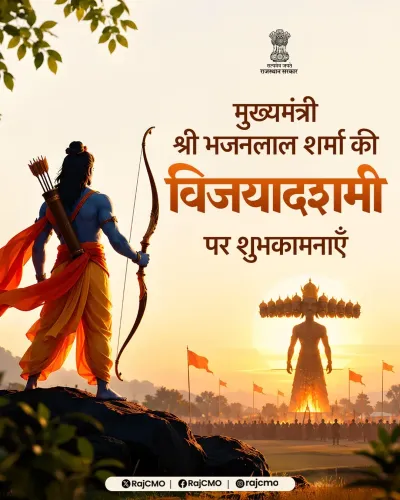
The choice of venue and occasion was deliberate. Vijayadashami — the day Ram's arrows felled Ravana — has long been used by governments and civic bodies to dramatise the defeat of societal evils. CM Sharma's rhetorical move, equating drug addiction with Ravana, fits a pattern visible across state governments: anchoring national welfare campaigns to cultural festivals to maximise emotional resonance and public reach.
Rajasthan's alignment with New Delhi's anti-drug messaging also reinforces the political continuity between the BJP-led state government and the central government, projecting a unified front on what both frame as a moral and public-health emergency.
The national campaign behind the 100-week reference
The CM's remarks point to the Nasha Mukt Bharat Abhiyan — the Central government's flagship anti-drug awareness drive, launched in August 2020 by the Ministry of Social Justice and Empowerment. The campaign was initially rolled out across 272 districts identified as particularly vulnerable to substance abuse, targeting youth, college campuses, and border communities through awareness events, rehabilitation linkages, and community outreach.
The specific 100-week programme cited by CM Sharma in the post has not been independently confirmed in public records; the precise timeline and structure of this phase remain to be detailed by authorities in Rajasthan's districts.
What this means for Rajasthan's youth and families
Drug abuse has emerged as one of the most politically charged welfare issues across North and West India, with families in both urban neighbourhoods and rural areas repeatedly citing addiction as a primary source of domestic distress and economic drain. By placing the issue at the centre of a high-visibility festival address, CM Sharma signals that the state intends to keep anti-addiction outreach visible — not confined to government circulars.
The real test will come in execution: how the 100-week programme is rolled out across Rajasthan's 50 districts, what rehabilitation infrastructure backs the awareness messaging, and whether participation metrics are made public.
On the day Ravana's effigy burns, the CM has named a new demon. Now the state must show it has the arrows to bring it down.
Point of View
The BJP government in Rajasthan reinforces its ideological continuity with New Delhi while making the campaign feel indigenous and urgent rather than bureaucratic. The Nasha Mukt Bharat Abhiyan has existed since 2020, but its periodical repackaging at high-visibility events keeps it politically alive ahead of assembly-level outreach cycles. The 100-week framing, if backed by measurable targets and district-level accountability, could be a genuine escalation — but without transparent metrics, it risks becoming a rhetorical gesture dressed in festival colours.
NationPress
21 Oct 2026
Frequently Asked Questions
What did CM Bhajanlal Sharma say at Vijayadashami 2026 in Jaipur?
CM Bhajanlal Sharma addressed the Vijayadashami Mahotsav-2026 in Adarsh Nagar, Jaipur, and called drug addiction the 'Ravana of society,' urging citizens to support PM Modi's 100-week national anti-drug programme to eliminate substance abuse.
What is the Nasha Mukt Bharat Abhiyan?
Nasha Mukt Bharat Abhiyan is a Central government initiative launched in August 2020 by the Ministry of Social Justice and Empowerment to combat drug abuse through awareness campaigns, community outreach, and rehabilitation linkages across vulnerable districts in India.
What is the 100-week anti-drug programme CM Sharma mentioned?
CM Sharma referred to a 100-week programme being run nationally to drive out and eliminate drug addiction; however, the specific structure and verified timeline of this phase have not been confirmed in official public records as of October 2026.
Why did CM Bhajanlal Sharma use the Dussehra event to talk about drug abuse?
Dussehra symbolises the victory of good over evil, making it a culturally resonant platform to frame addiction as a societal evil. State governments often use such festivals to amplify national welfare campaigns and connect policy messaging with popular sentiment.
What is Rajasthan's role in the national anti-drug drive?
Rajasthan, under CM Bhajanlal Sharma's BJP government, is aligning state-level events and outreach with the Centre's Nasha Mukt Bharat Abhiyan, though district-level rollout details and participation metrics for the programme are yet to be publicly disclosed.