CM Bhajanlal Pushes Rajasthan Dairy Expansion for Farmers
Synopsis
The Rajasthan CMO, citing the state's top-ranked milk output, says the Bhajanlal Sharma government is scaling up dairy processing plants and building new collection centres to raise livestock-keeper incomes and generate youth employment.
Key Takeaways
The Chief Minister's Office of Rajasthan confirmed on June 1, 2026 that the state government is working to expand milk processing capacity and establish new collection centres.
Rajasthan is described as India's leading state in milk production, consistently ranking among the top three producers by volume.
The expansion aims to increase incomes for livestock keepers and create employment opportunities for rural youth .
The state's dairy network is anchored by the Rajasthan Cooperative Dairy Federation (RCDF) and the Saras brand, operating across multiple districts.
Specific funding figures, plant locations, and timelines for the announced expansions have not yet been disclosed .
The policy approach mirrors dairy modernisation drives in Gujarat and Uttar Pradesh , both major milk-producing states.
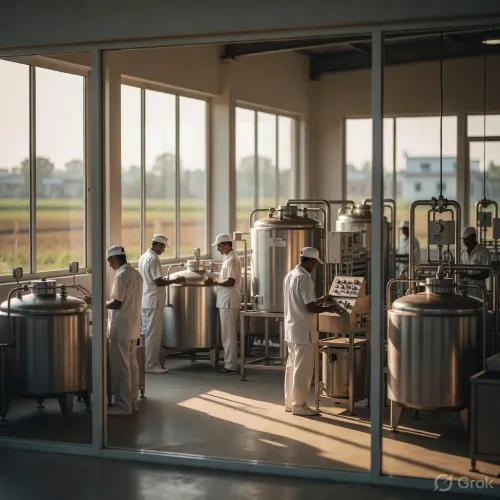
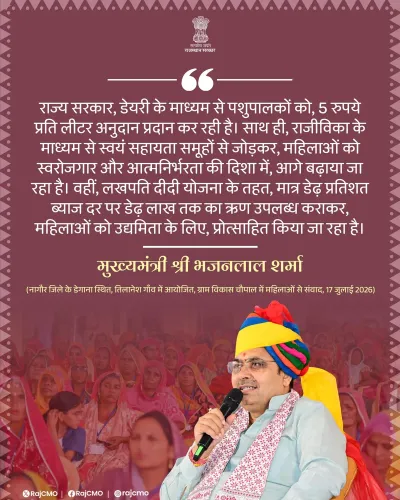
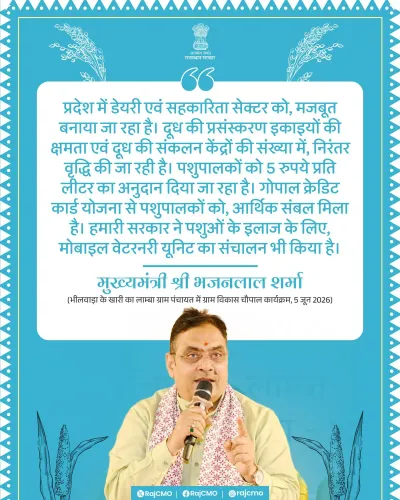
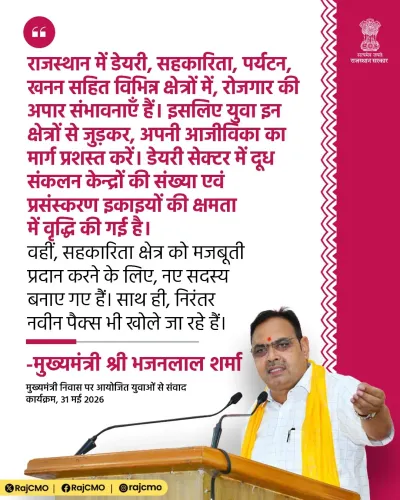
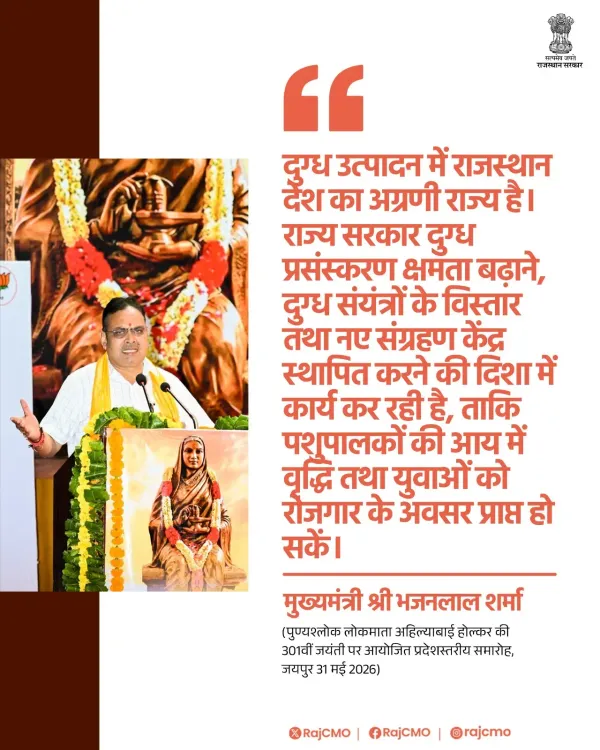
The Chief Minister's Office of Rajasthan on Monday, June 1, 2026, announced that the state government is actively working to expand milk processing capacity, scale up dairy plants, and establish new collection centres to raise incomes for livestock keepers and create employment for youth.
The post, attributed to Chief Minister Bhajanlal Sharma, stated in Hindi: 'दुग्ध उत्पादन में राजस्थान देश का अग्रणी राज्य है' ('Rajasthan is the country's leading state in milk production'), underlining the state's ambition to consolidate that position through infrastructure investment.
Context
Rajasthan consistently ranks among India's top three milk-producing states by volume, backed by one of the country's largest livestock populations. The state's cooperative dairy network, anchored by the Rajasthan Cooperative Dairy Federation (RCDF) and its well-known Saras brand, manages procurement, processing, and marketing across dozens of districts. The CMO's post signals a fresh push to deepen this infrastructure rather than rest on existing capacity.Policy Backdrop
Rajasthan's dairy architecture traces its roots to India's Operation Flood programme of 1970, which created the cooperative model that district-level dairy unions in the state later adopted. Successive state budgets through the 2010s and into the current decade have carried allocations for milk chilling and processing infrastructure under the state dairy development department. Chief Minister Bhajanlal Sharma, who took office in December 2023, has framed rural income growth and youth employment as twin pillars of his administration's agenda — and dairy expansion sits squarely within that framing. The hashtag #आपणो_अग्रणी_राजस्थान ('Our Leading Rajasthan') used in the post reflects a broader branding effort to project the state's sectoral strengths.Stakeholders and Impact
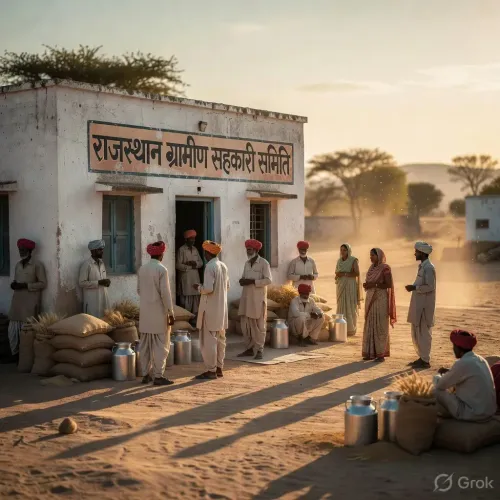
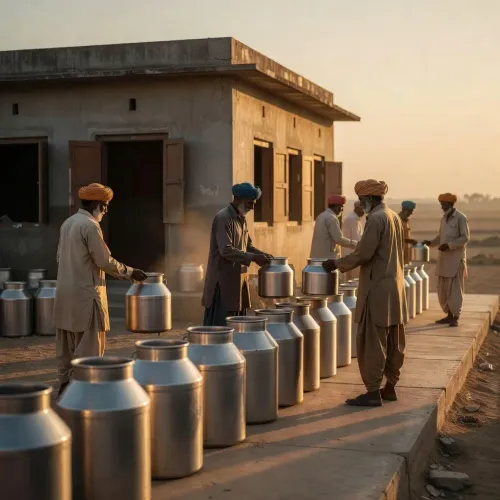
The primary beneficiaries of expanded processing capacity and new collection centres would be livestock keepers and small dairy farmers in rural Rajasthan, who currently face post-production losses when milk cannot be chilled or processed close to the point of collection. Wider plant networks also generate downstream employment — from technicians and logistics workers to quality-testing staff — offering a pathway for rural youth who might otherwise migrate to urban centres. The approach mirrors dairy modernisation drives in neighbouring Gujarat, home of the Amul cooperative model, and Uttar Pradesh, which has similarly invested in processing infrastructure to capture more value from raw milk output.What's Next
The CMO's statement does not specify funding figures, plant locations, or timelines for the expansions, and those details remain unconfirmed. Observers will look to Rajasthan's upcoming state budget documents and RCDF annual reports for capital expenditure commitments on new plants and collection infrastructure. If the government follows through with concrete allocations, the move could materially improve price realisations for dairy farmers and position Rajasthan to deepen its lead over rival milk-producing states in the years ahead.Point of View
The government is building a narrative of consolidation rather than catch-up, which carries lower political risk. The absence of specific figures or timelines, however, means the announcement currently functions more as a policy signal than a binding commitment. How quickly the RCDF translates this direction into capital expenditure will determine whether the initiative meaningfully shifts rural income levels or remains aspirational.
NationPress
21 Sept 2026
Frequently Asked Questions
Is Rajasthan the number one milk producing state in India?
Rajasthan is consistently ranked among India's top three milk-producing states by volume and the CMO describes it as the country's leading state, though national rankings can vary by year and methodology.
What is the Saras brand in Rajasthan dairy?
Saras is the consumer-facing brand of the Rajasthan Cooperative Dairy Federation (RCDF), which manages milk procurement, processing plants, and marketing across Rajasthan's districts.
What is CM Bhajanlal Sharma's dairy policy for Rajasthan?
Chief Minister Bhajanlal Sharma's government has announced plans to expand milk processing plant capacity, scale up existing dairy plants, and establish new collection centres to raise farmer incomes and create rural employment.
How will new milk collection centres help farmers in Rajasthan?
New collection centres reduce post-production losses by enabling faster chilling and processing closer to the point of milk production, which can improve price realisations for small dairy farmers and livestock keepers.
What is Operation Flood and how does it relate to Rajasthan dairy?
Operation Flood, launched in 1970, created India's national cooperative dairy model; Rajasthan later adopted this structure through district-level dairy unions and processing plants that today operate under the Rajasthan Cooperative Dairy Federation.