Rajasthan CM Bhajanlal inaugurates dairy processing and cattle feed plants
Synopsis
Chief Minister Bhajanlal Sharma inaugurated dairy processing plants and cattle feed plants of multiple milk unions in Rajasthan on 17 August 2026, strengthening the state's cooperative dairy infrastructure under the 'Aapno Agrani Rajasthan' development push.
Key Takeaways
Dairy processing plants and cattle feed plants belonging to multiple milk unions were inaugurated on 17 August 2026 in Rajasthan .
Chief Minister Bhajanlal Sharma of the BJP , in office since December 2023 , presided over the inauguration.
The plants are part of the cooperative dairy chain managed by the Rajasthan Cooperative Dairy Federation , which operates the Saras brand.
Rajasthan has been expanding dairy processing and cattle feed infrastructure under the National Dairy Plan since 2012 .
The initiative aims to reduce farmers' dependence on private dairies and improve milk procurement and value addition in rural districts.
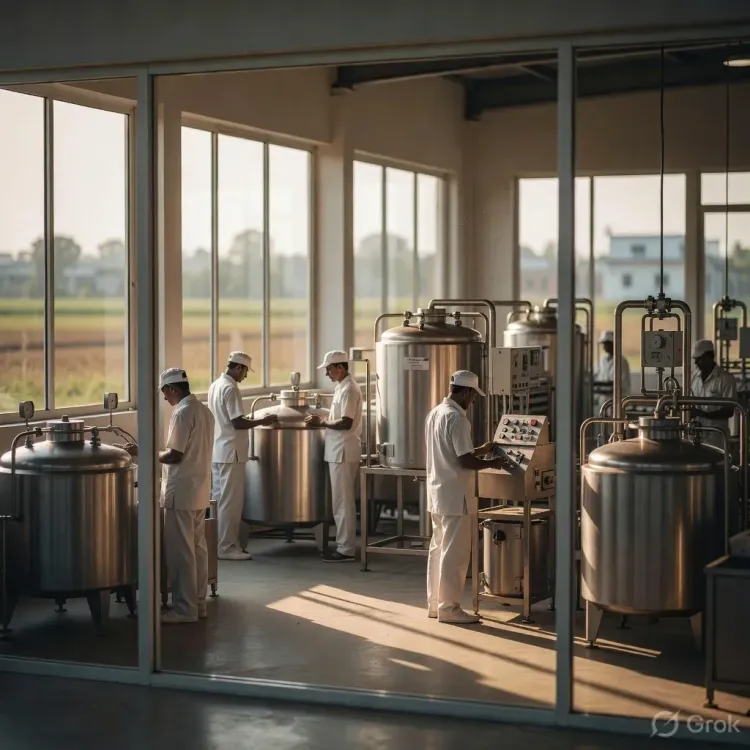
New dairy infrastructure is now operational across Rajasthan, as the state government inaugurated dairy processing plants and cattle feed plants run by multiple milk unions — a push to deepen the cooperative dairy chain in India's largest state.
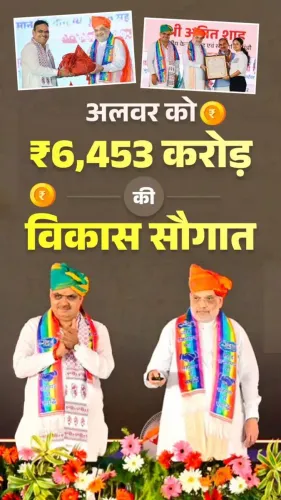
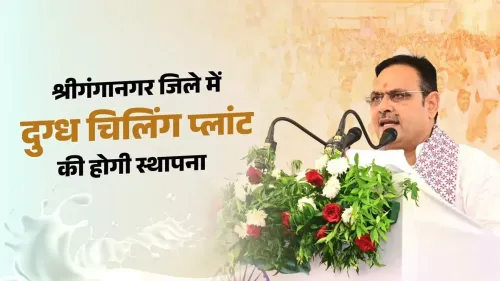
The Chief Minister's Office of Rajasthan announced on Monday, 17 August 2026 that dairy processing plants and cattle feed plants belonging to various milk unions had been commissioned, with Chief Minister Bhajanlal Sharma presiding over the inauguration. The event was tagged under the hashtag #आपणो_अग्रणी_राजस्थान ('Our Pioneering Rajasthan'), the state government's development branding.
What these plants mean for Rajasthan's dairy cooperative chain
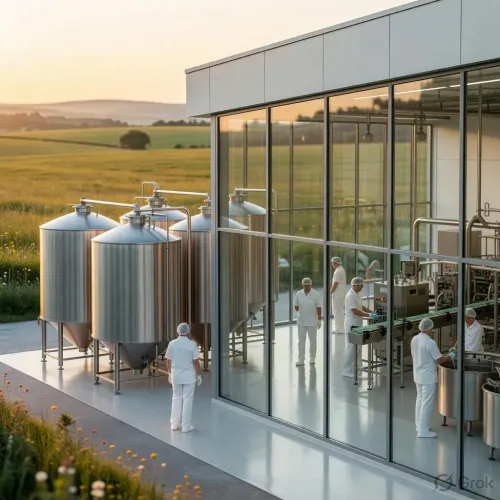
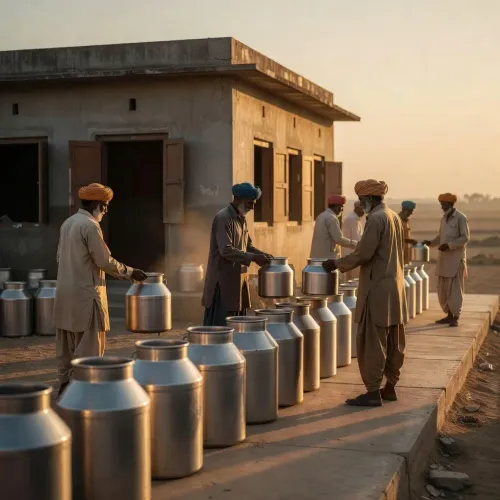
The newly commissioned units plug directly into the state's cooperative dairy architecture, coordinated by the Rajasthan Cooperative Dairy Federation, which manages the well-known Saras brand across district milk unions. Dairy processing plants allow raw milk procured from village-level cooperatives to be pasteurised, packaged and value-added locally — reducing spoilage and increasing returns to farmers. Cattle feed plants, operating alongside, supply balanced nutrition inputs to dairy animals, which directly affects milk yield at the source.
Together, the two types of infrastructure form the backbone of a functioning cooperative dairy cluster: better feed in, better milk out, and a local facility to process and market it. For farmers in Rajasthan's arid and semi-arid belt — where animal husbandry is often the primary income buffer against erratic rainfall — that chain matters enormously.
Rajasthan's long road in dairy infrastructure
This inauguration continues a pattern that successive Rajasthan governments have pursued for over a decade. The state joined the National Dairy Plan from 2012 onwards, drawing central support to expand milk processing capacity and cattle feed availability in districts that were historically underserved by cooperative infrastructure. The goal has consistently been to reduce farmers' dependence on private dairies, which often offer lower and more volatile procurement prices.
The Bhajanlal Sharma government, in office since December 2023, has framed animal husbandry as a pillar of rural income support in Rajasthan. Commissioning processing and feed capacity at the milk-union level — rather than centralising it — signals an intent to distribute the gains more evenly across districts.
The next test: whether expanded processing capacity translates into higher milk procurement prices for farmers, and whether state budget provisions follow for cattle-feed subsidies to keep input costs manageable for small dairy households.
Point of View
Where animal husbandry is a critical income source. Distributing processing infrastructure across district milk unions — rather than centralising it — is a politically astute move: it spreads visible benefits to more constituencies. The longer policy question is whether this infrastructure push will be paired with procurement price revisions or input subsidies, which are the real levers for farmer income. Without those, new plants can sit underutilised if farmers find private dairies more convenient or better-paying.
NationPress
1 Oct 2026
Frequently Asked Questions
What did CM Bhajanlal Sharma inaugurate on 17 August 2026?
Chief Minister Bhajanlal Sharma inaugurated dairy processing plants and cattle feed plants belonging to various milk unions in Rajasthan on 17 August 2026.
What is the Rajasthan Cooperative Dairy Federation?
The Rajasthan Cooperative Dairy Federation is the state-level body that coordinates district milk unions for milk procurement, processing and marketing, and manages the Saras dairy brand.
How do cattle feed plants help dairy farmers in Rajasthan?
Cattle feed plants supply balanced nutritional feed to dairy animals, which improves milk yield at the farm level and helps cooperative dairy farmers increase their income.
What is the National Dairy Plan and how does Rajasthan fit in?
The National Dairy Plan is a central government programme launched in 2012 to expand milk processing infrastructure and cattle feed availability. Rajasthan has participated in successive phases to grow its cooperative dairy sector.
What is 'Aapno Agrani Rajasthan'?
'Aapno Agrani Rajasthan' — meaning 'Our Pioneering Rajasthan' — is the Bhajanlal Sharma government's development branding used to highlight infrastructure and welfare milestones in the state.