CM Bhajanlal Chairs 6th Raj Unnati Review, Pushes Key Projects
Synopsis
Chief Minister Bhajanlal Sharma chaired Rajasthan's sixth Raj Unnati review on June 20, 2026, directing swift completion of the 765 kV grid, girls' Sainik Schools, Bharatpur bus stand, Karmayogi Bhawan, and PM e-Bus operations in Jaipur and Bhilwara, while expressing displeasure over Sanganer CETP delays.
Key Takeaways
CM Bhajanlal Sharma chaired the sixth Raj Unnati review meeting on June 20, 2026 , covering infrastructure and welfare schemes.
Directions were issued to expedite the 765 kV transmission system , Balika Sainik Schools , and the Bharatpur new bus stand .
The RSRDC was directed to begin construction of Karmayogi Bhawan at Lalkothi, Jaipur without delay.
Displeasure was recorded over delays in the CETP pumping station and pipeline work in Sanganer, Jaipur .
PM e-Bus Sewa buses available in Jaipur and Bhilwara were directed to be operationalised immediately, with remaining supply to be secured urgently.
The Hariyalo Rajasthan Abhiyan has exceeded its plantation target, while PM-JANMAN tribal scheme implementation was also reviewed.
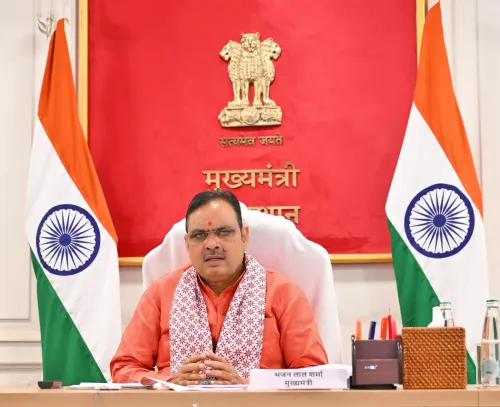
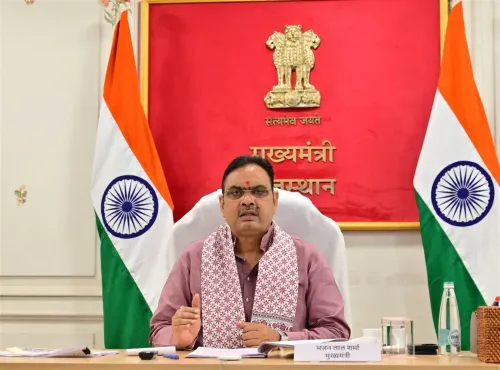
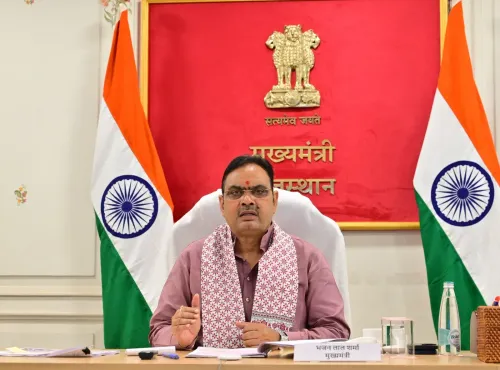
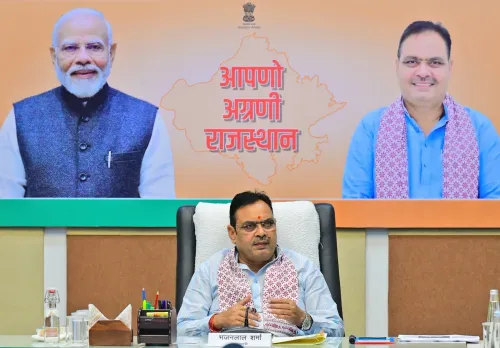
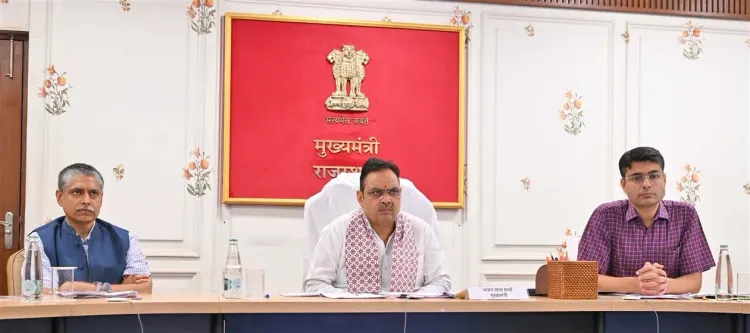
The Chief Minister's Office of Rajasthan announced on Saturday, June 20, 2026, that Chief Minister Bhajanlal Sharma chaired the sixth Raj Unnati review meeting, examining progress on a wide range of state infrastructure, welfare, and environment projects and issuing directions to accelerate stalled works.
Context
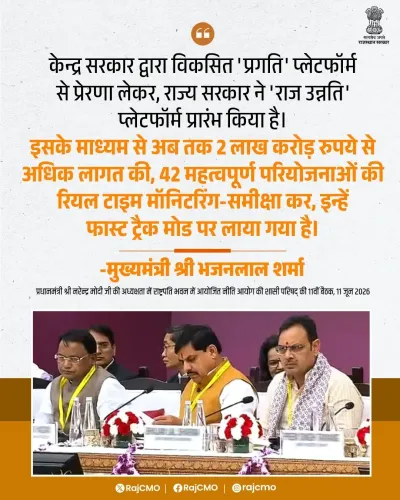
The Raj Unnati review mechanism is a periodic high-level exercise through which the Rajasthan government tracks compliance with earlier directives across departments. In the sixth edition of the meeting, CM Sharma reviewed development projects and the implementation status of instructions issued at earlier sessions. The meeting covered sectors ranging from power transmission to education, urban transport, and afforestation.
The Chief Minister directed that the 765 kV transmission system, girls' Sainik Schools (Balika Sainik Vidyalayas), the Bharatpur new bus stand, and other infrastructure works be completed at the earliest. These projects span multiple districts and are considered critical to the state's power integration and social infrastructure goals.
Policy Backdrop
The 765 kV transmission line is part of Rajasthan's long-standing plan to strengthen the grid for renewable energy integration, a priority since 2021. The state has been expanding high-voltage transmission capacity to evacuate power from its large solar and wind installations in the western region.
On urban mobility, the meeting directed that PM e-Bus Sewa electric buses already available in Jaipur and Bhilwara be operationalised immediately, and that the supply of remaining buses under the scheme be ensured without further delay. The PM e-Bus Sewa, approved by the Union Cabinet in August 2023 with a mandate for 10,000 electric buses nationwide, has been a key plank of the central government's sustainable urban transport push.
The meeting also reviewed the proposed Karmayogi Bhawan at Lalkothi, Jaipur, directing the Rajasthan State Road Development Corporation (RSRDC) to begin construction work at the earliest. The RSRDC is the state agency responsible for major road and building infrastructure projects.
Stakeholders and Impact
Displeasure (narazgi) was formally expressed over delays in the Common Effluent Treatment Plant (CETP) pumping station and pipeline work in Sanganer, a textile-hub area of Jaipur known for its dyeing industry. Timely completion of the CETP infrastructure is critical for controlling industrial effluent discharge and improving water quality downstream.
CM Sharma also reviewed the implementation of the Pradhan Mantri Janjati Adivasi Nyaya Maha Abhiyan (PM-JANMAN), the central government's saturation mission launched in November 2023 targeting Particularly Vulnerable Tribal Groups across India. Progress under the Hariyalo Rajasthan Abhiyan — the state's mass afforestation campaign — was also discussed, with the meeting noting that plantation numbers have exceeded the set target, a positive data point for the state's green-cover goals.
Urban commuters in Jaipur and Bhilwara, tribal communities covered under PM-JANMAN, industrial workers and residents near Sanganer, and students who would benefit from girls' Sainik Schools are among the primary stakeholders directly affected by the outcomes of this review.
What's Next
The key deliverables to watch from this meeting include the operational launch dates for PM e-Bus Sewa services in Jaipur and Bhilwara, the commencement of construction on Karmayogi Bhawan by RSRDC, and visible progress on the 765 kV transmission corridor. The CETP work in Sanganer will also be under scrutiny given the Chief Minister's expressed displeasure.
The Raj Unnati framework signals that the BJP government in Rajasthan intends to use structured accountability reviews as a tool to enforce project timelines — a pattern that is likely to intensify as the government approaches the mid-point of its term and seeks tangible delivery milestones to present to voters.
Point of View
Periodic accountability sessions to maintain pressure on bureaucratic delivery — a mechanism that gains political salience as the administration moves deeper into its term. The bundling of central schemes like PM-JANMAN and PM e-Bus Sewa alongside state projects signals an effort to demonstrate alignment with New Delhi's flagship programmes while claiming credit for on-ground execution. The formal expression of displeasure over the Sanganer CETP delay is notable, as it puts a named agency on notice in a public forum, raising the accountability stakes. Whether these review-driven directives translate into actual project completion — or remain recurring agenda items — will be the true measure of the mechanism's effectiveness.
NationPress
19 Sept 2026
Frequently Asked Questions
What is the Raj Unnati review meeting in Rajasthan?
The Raj Unnati review is a periodic high-level meeting chaired by Chief Minister Bhajanlal Sharma to assess progress on state infrastructure and welfare projects and ensure compliance with earlier government directives. The sixth such meeting was held on June 20, 2026 .
What is PM e-Bus Sewa and which Rajasthan cities are getting electric buses?
PM e-Bus Sewa is a central government scheme approved in August 2023 to deploy 10,000 electric buses in cities across India. In Rajasthan, buses have been allocated to Jaipur and Bhilwara , and the CM has directed their immediate operationalisation.
What is the Hariyalo Rajasthan Abhiyan?
Hariyalo Rajasthan Abhiyan is the state government's mass tree plantation campaign aimed at increasing Rajasthan's green cover and combating desertification. The sixth Raj Unnati review noted that plantation numbers have exceeded the set target.
What is PM-JANMAN and how is it being implemented in Rajasthan?
PM-JANMAN (Pradhan Mantri Janjati Adivasi Nyaya Maha Abhiyan) is a central mission launched in November 2023 for the socio-economic development of Particularly Vulnerable Tribal Groups. CM Bhajanlal Sharma reviewed its implementation status at the sixth Raj Unnati meeting.
What is Karmayogi Bhawan in Jaipur?
Karmayogi Bhawan is a proposed government building at Lalkothi, Jaipur . The RSRDC (Rajasthan State Road Development Corporation) has been directed by the Chief Minister to begin its construction at the earliest.